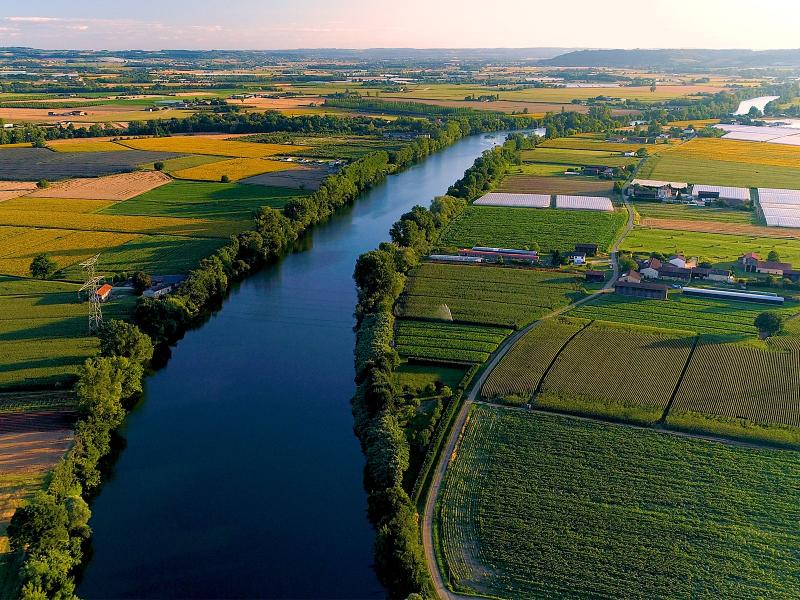
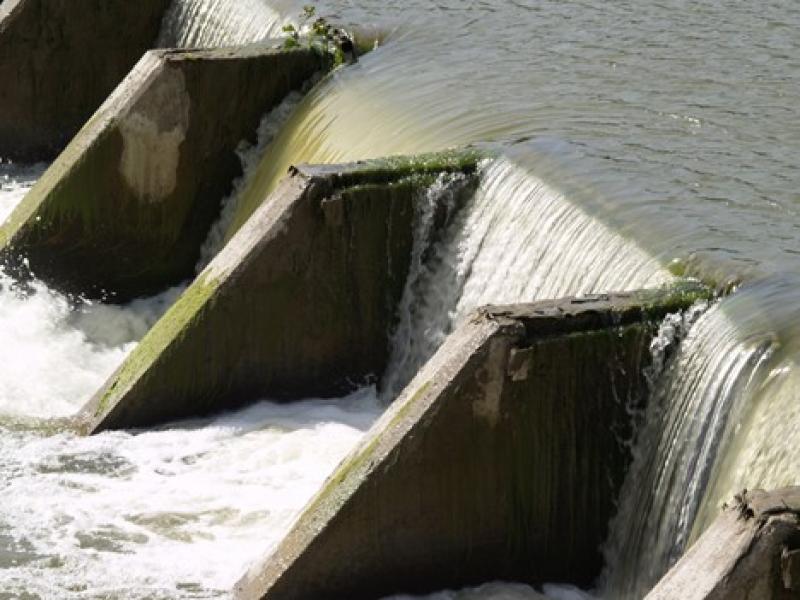
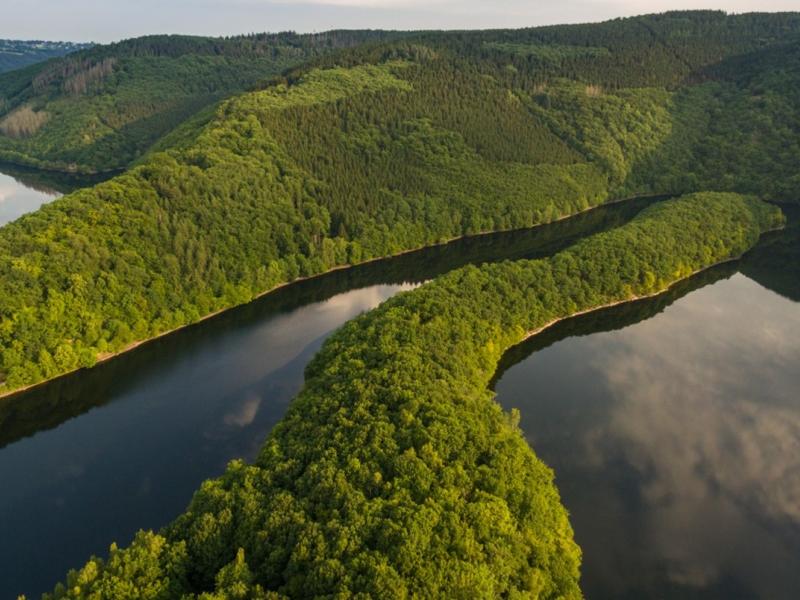
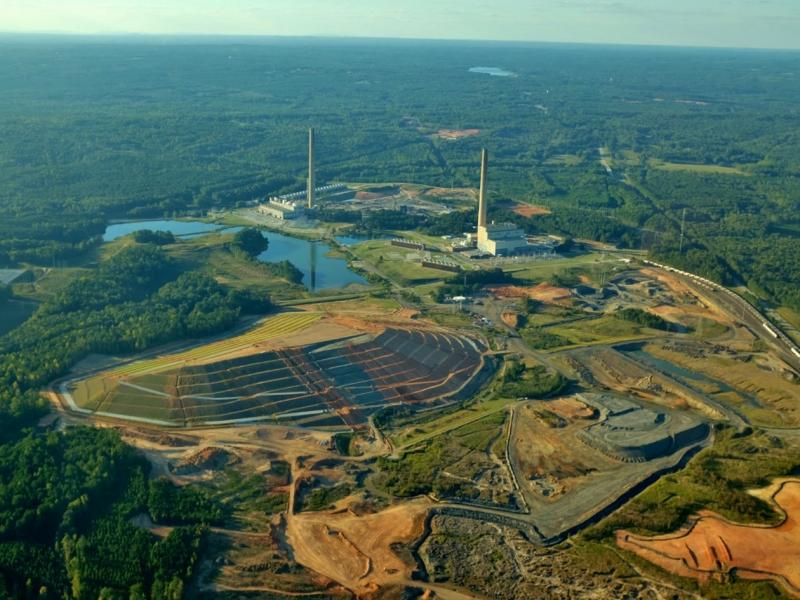
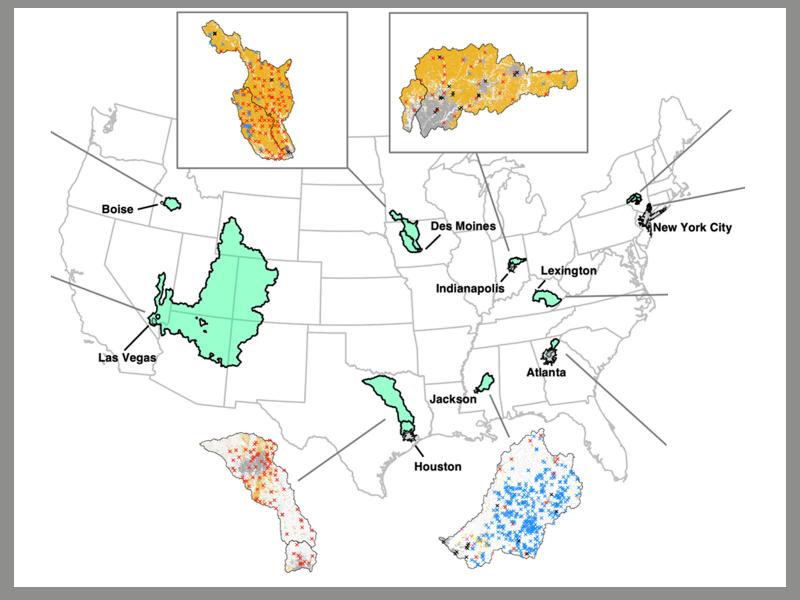
An analysis of land use in watersheds that supply drinking water to over a hundred United States cities identified a wide range of exposure to potential contamination.
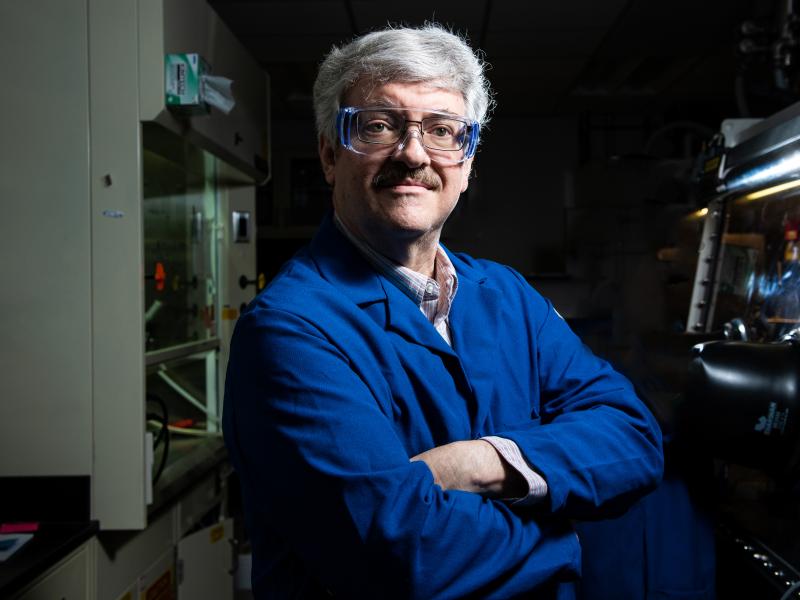
Morris Bullock has led PNNL's pursuit of the efficient conversion of electrical energy and chemical bonds through control of electron and proton transfers.
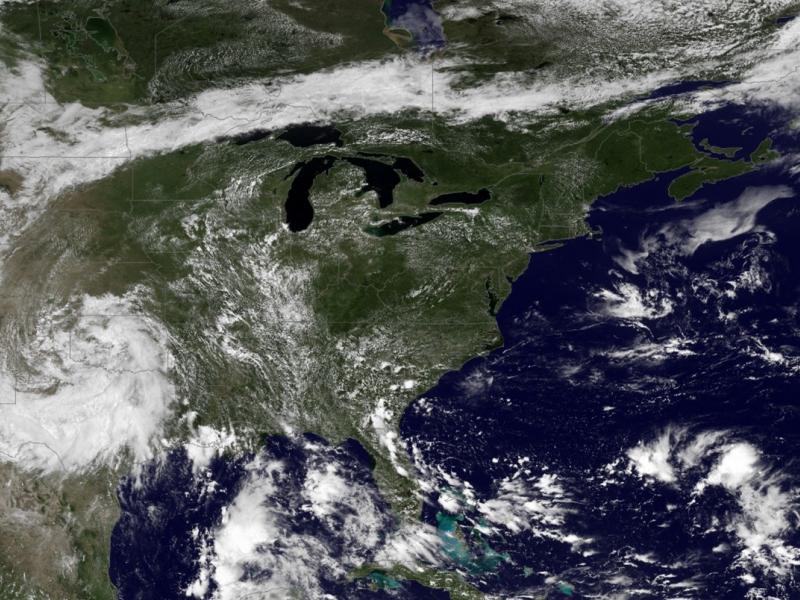
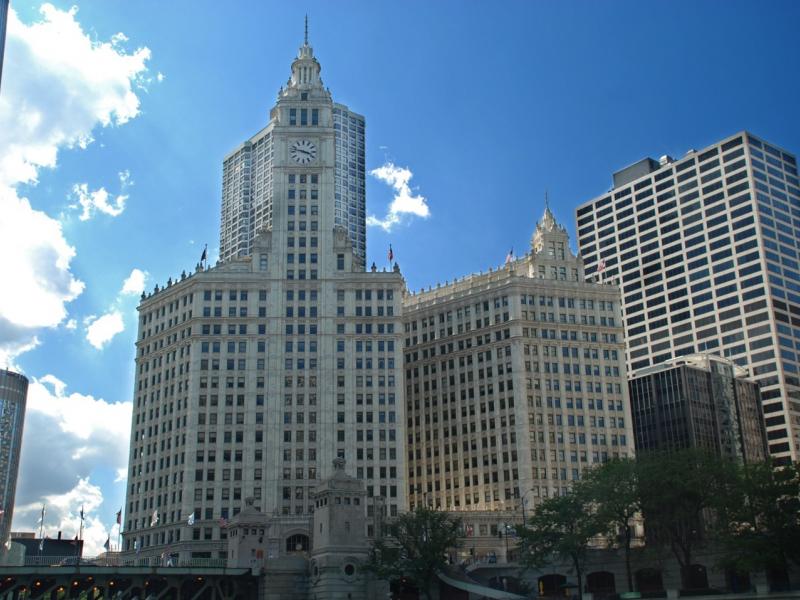
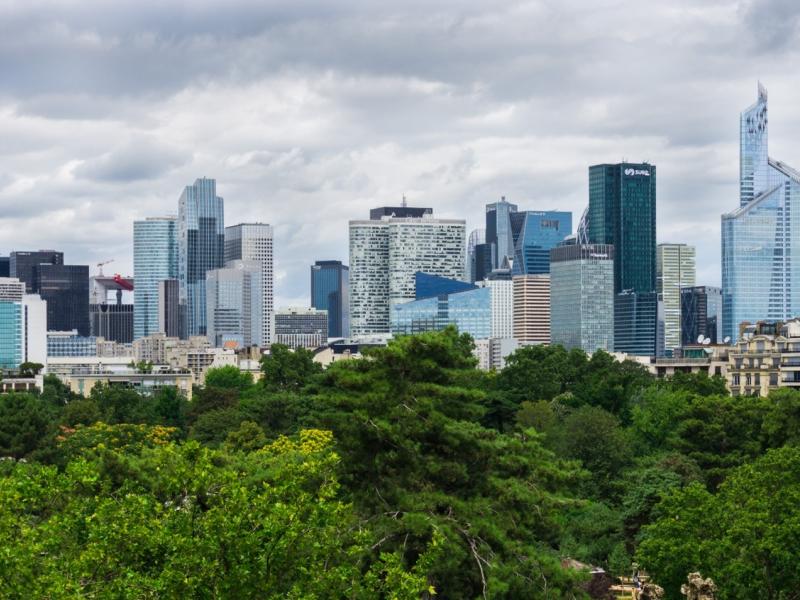
Examining the vast scientific literature about the urban impact on weather and climate enabled researchers to synthesize current understanding and to inform future work.
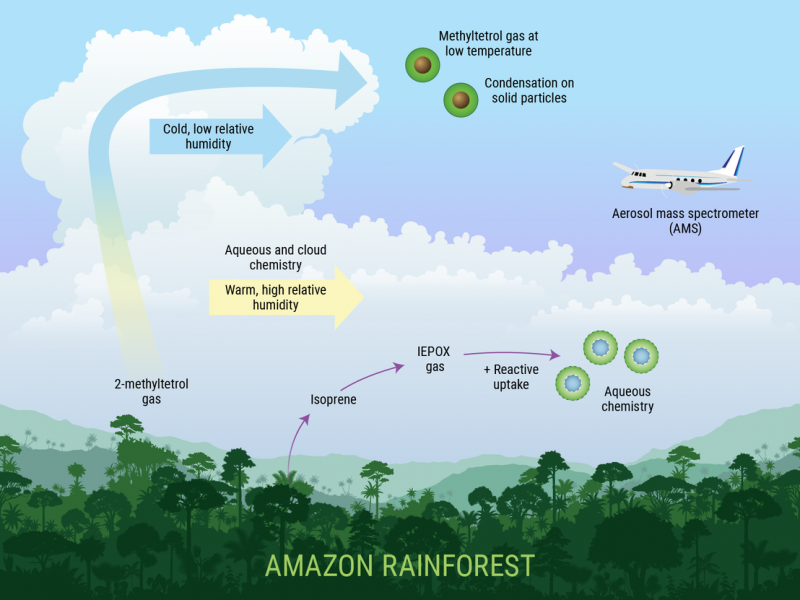
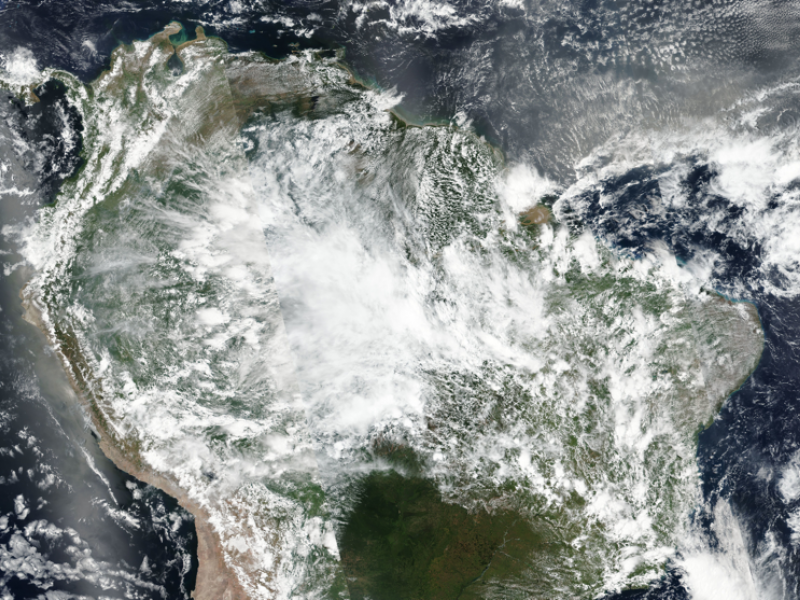
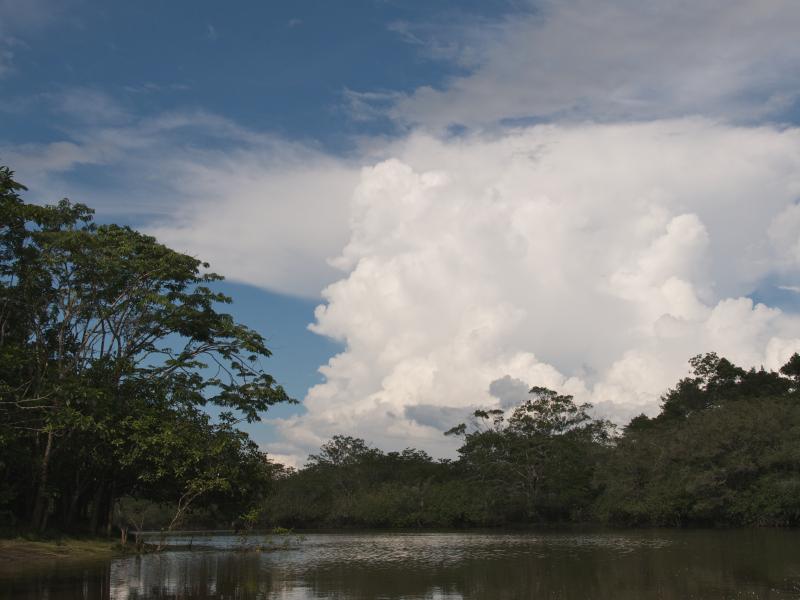
PNNL researchers have uncovered a plant-derived process that leads to the formation of aerosol particles over the Amazon rainforest and potentially other forested parts of the world.
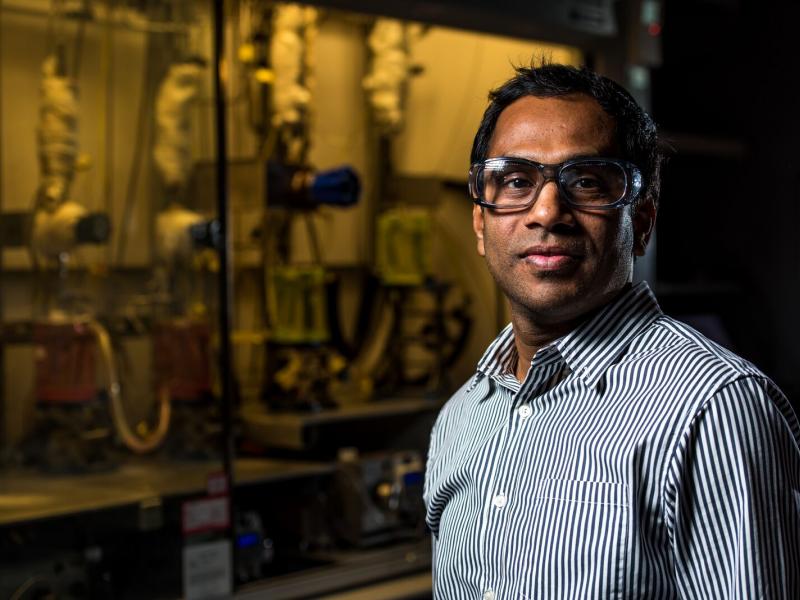
PNNL bioenergy expert Karthikeyan Ramasamy was a co-guest editor in an American Chemical Society Energy & Fuels virtual special issue on advances in biomass and wastes thermochemical processing.
Combining aircraft measurements and regional modeling allowed researchers to identify the role of in-plant biochemistry in secondary organic aerosol formation.
A review article examined over 500 publications covering nearly 200 years of research on the influence of urban environments on weather and climate, setting the stage for future research.