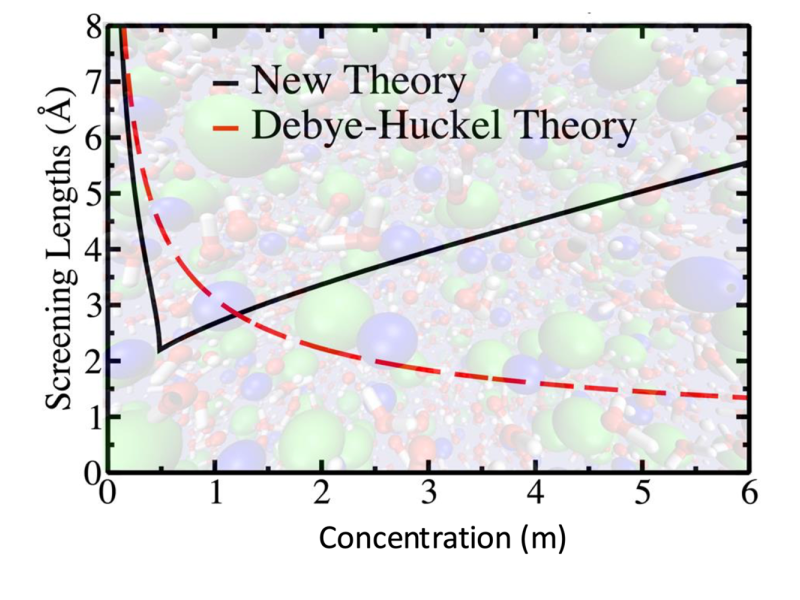
The Department of Energy, Basic Energy Sciences and Advanced Scientific Computing Research programs will support the partnership’s work on nuclear quantum behavior.
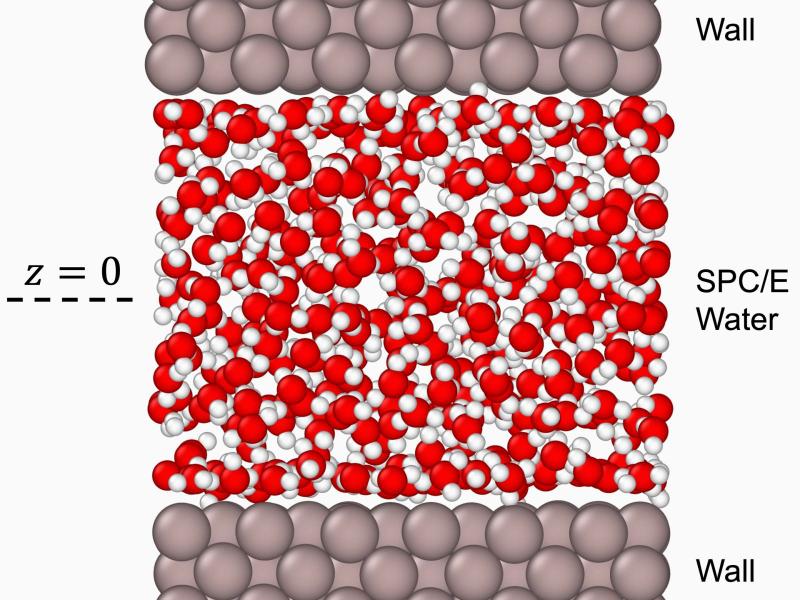
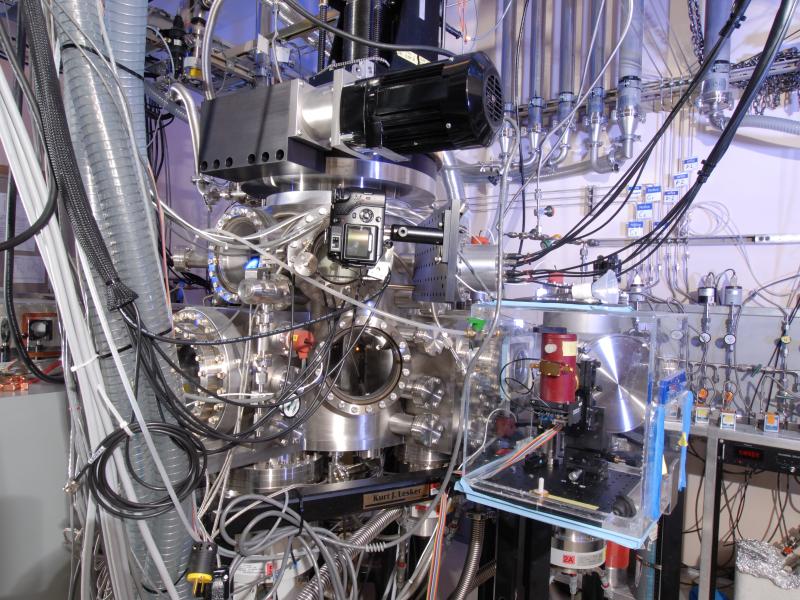
Delivering an integrated quantum-mechanical and experimental perspective on the effects of both intrinsic and externally applied electric fields at atomic-scale interfaces.
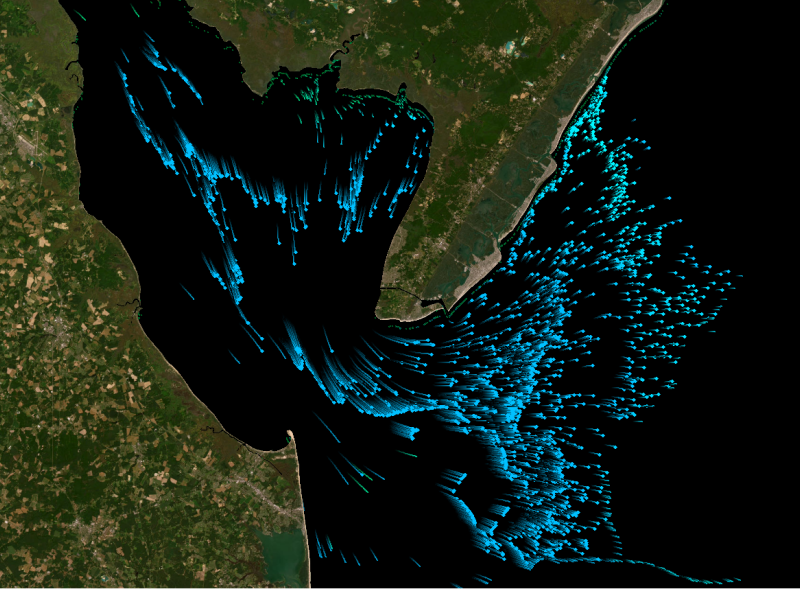
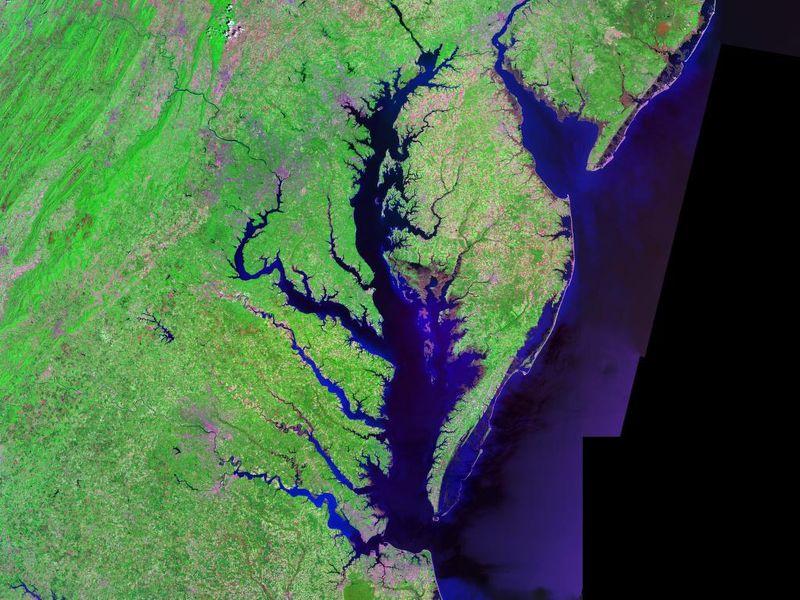
The Coastal Observations, Mechanisms, and Predictions Across Systems and Scales: Field, Measurements, and Experiments project established a network of observational field sites across Chesapeake Bay and western Lake Erie.
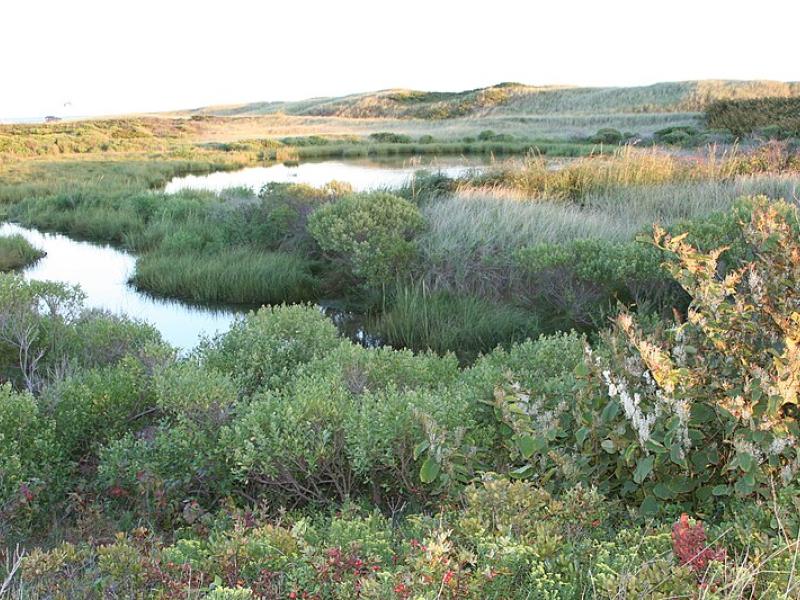
Due to their inherent variability and complexity over space and time, scientists are challenged to understand the complex interactions among soil, vegetation, and water along coastal terrestrial-aquatic interfaces.
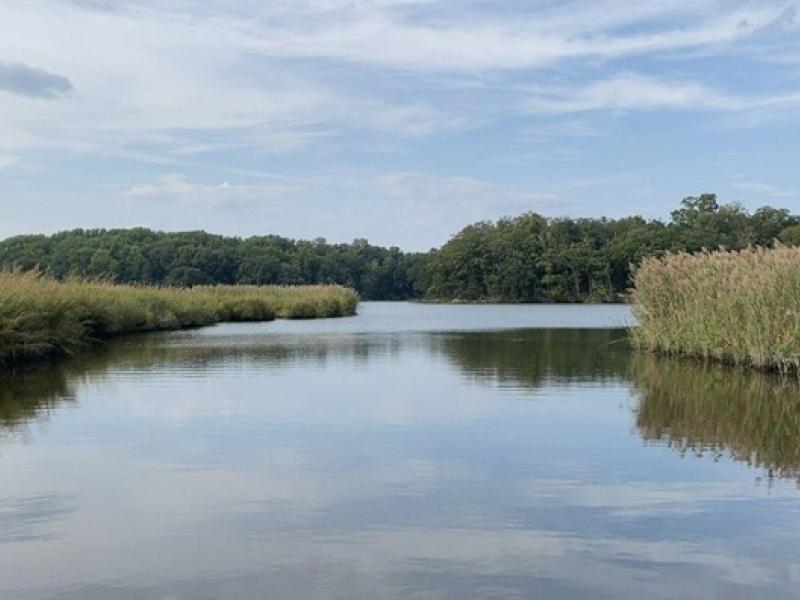
This study characterized above- and below-ground properties to explore the spatial heterogeneity of the terrestrial aquatic interface ecosystem within the Chesapeake Bay area and evaluate the major drivers of soil respiration.
The first measurement of the proton diffusion constant at cryogenic temperatures provides insights into the mechanism of proton movement in supercooled water.
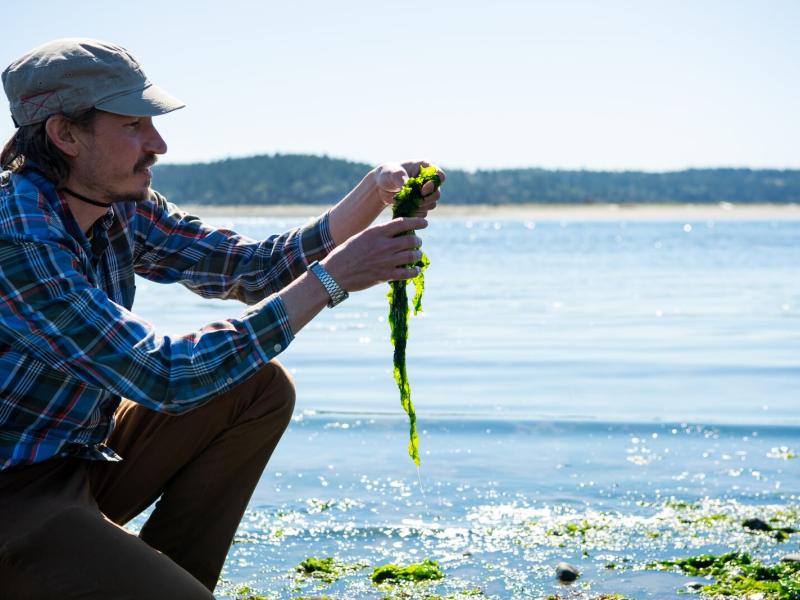
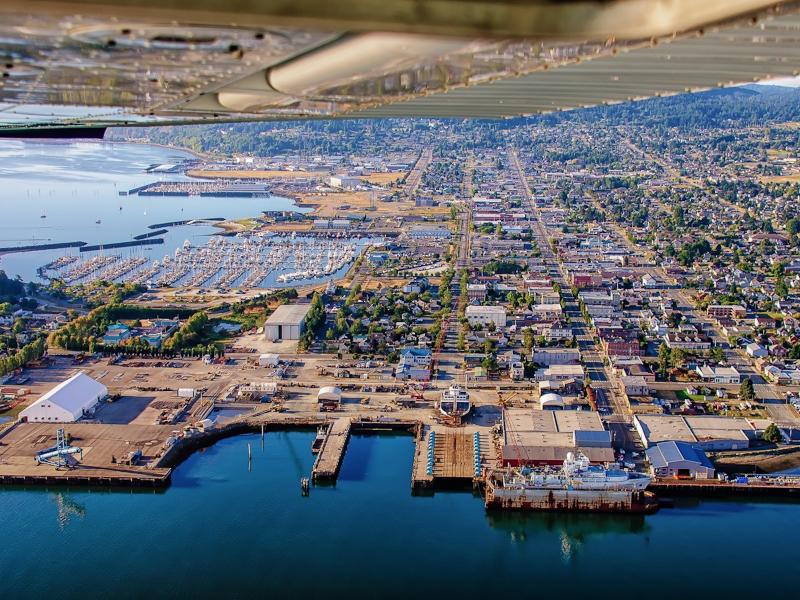
PNNL’s experts in electrification advised ports how to modernize the use of energy resources at the Port of Anacortes. Now they will help do the same with several others.
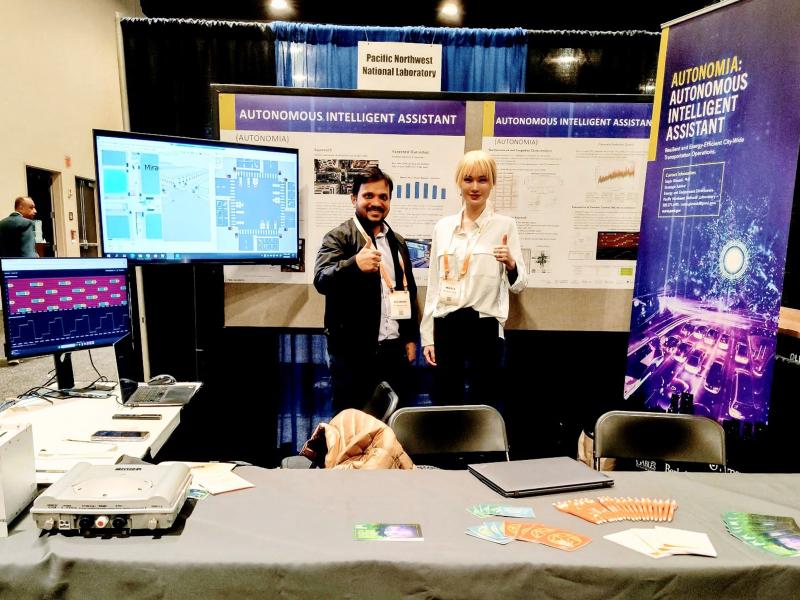
The ARPA-E Energy Innovation Summit brings together researchers, industry leaders, entrepreneurs, and investors to showcase the latest technologies shaping tomorrow’s energy landscape. This year, eight projects led by PNNL were featured.
Chemist Wendy Shaw, a nationally recognized scientific leader, has been chosen to serve as the associate laboratory director for PNNL's Physical and Computational Sciences Directorate.
Three PNNL technologies have been declared winners of 2025 Federal Laboratory Consortium Awards, named for a program that recognizes federal laboratories and their industry partners for outstanding technology transfer achievements.