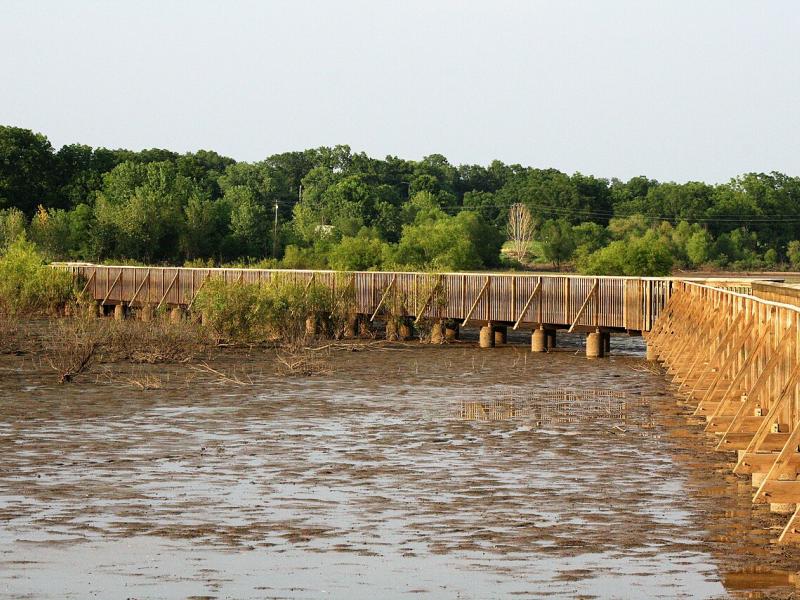
PNNL scientist James Stegen and an international team of collaborators recently published a comprehensive review of variably inundated ecosystems (VIEs).
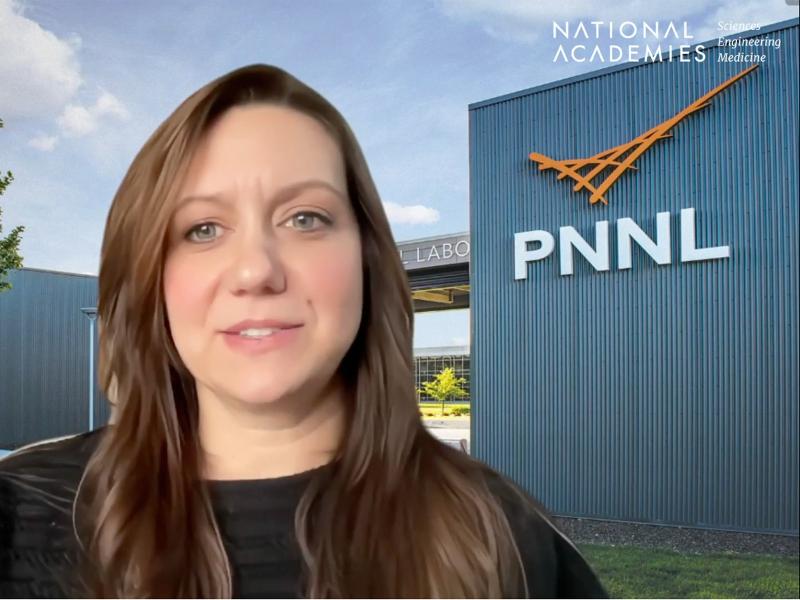
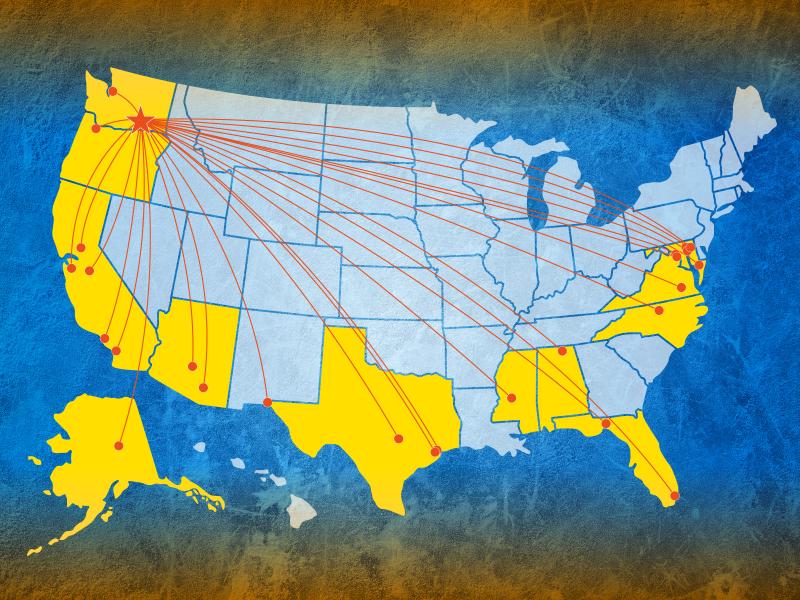
Lauren Charles, a chief data scientist at PNNL, showcased the vital research coming out of her program at The National Academies Forum workshop in Washington, D.C., January 15–16, 2025.
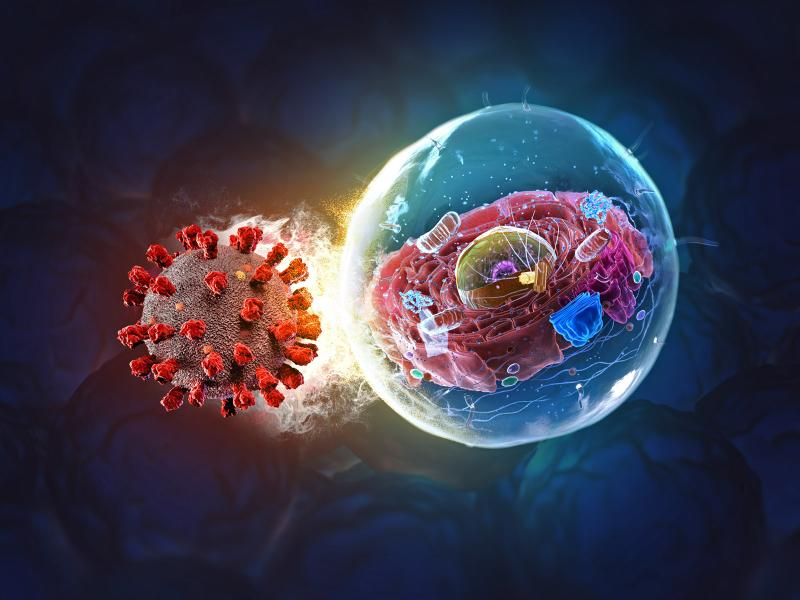
Researchers at PNNL are pursuing new approaches to understand, predict and control the phenome—the collection of biological traits within an organism shaped by its genes and interactions with the environment.
This project sought to assure that research activities centered around different sampling and monitoring efforts in northwest Ohio would not disturb any historical cultural resources.
PNNL biodefense experts seek to identify, understand and mitigate the risks of biological pathogens—whether naturally occurring or intentionally created—so steps can be taken to prepare and respond.
Recycling polyolefin materials is challenging. One waste management strategy is plastic upcycling. New work demonstrates a single-step upcycling route coupling cracking and alkylation, recycling carbon and keeping valuable resources active.
PNNL’s patented Shear Assisted Processing and Extrusion (ShAPE™) technique is an advanced manufacturing technology that enables better-performing materials and components while offering opportunities to reduce costs and energy consumption.
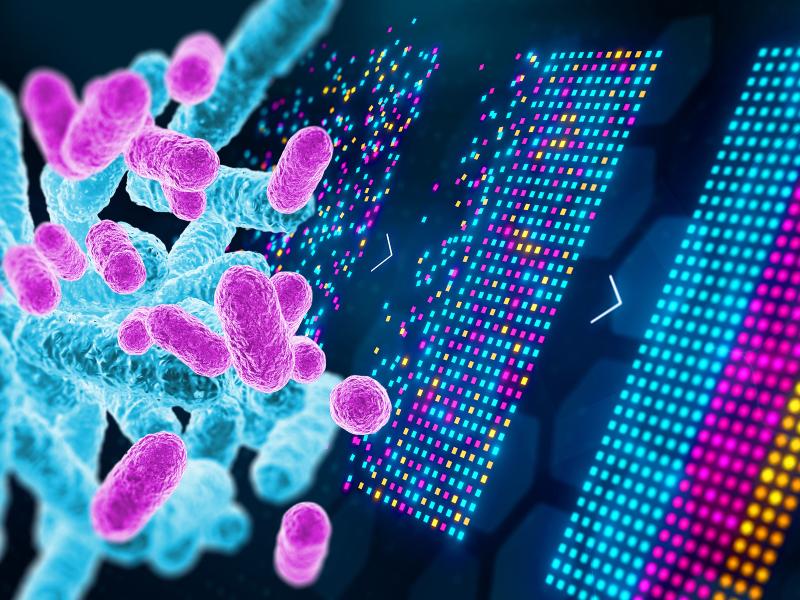
Research at PNNL and the University of Texas at El Paso are addressing computational challenges of thinking beyond the list and developing bioagent-agnostic signatures to assess threats.
PNNL scientists have been studying how rivers and streams breathe. Their research focuses on respiration, organic matter, and natural disturbances that affect rivers and streams.
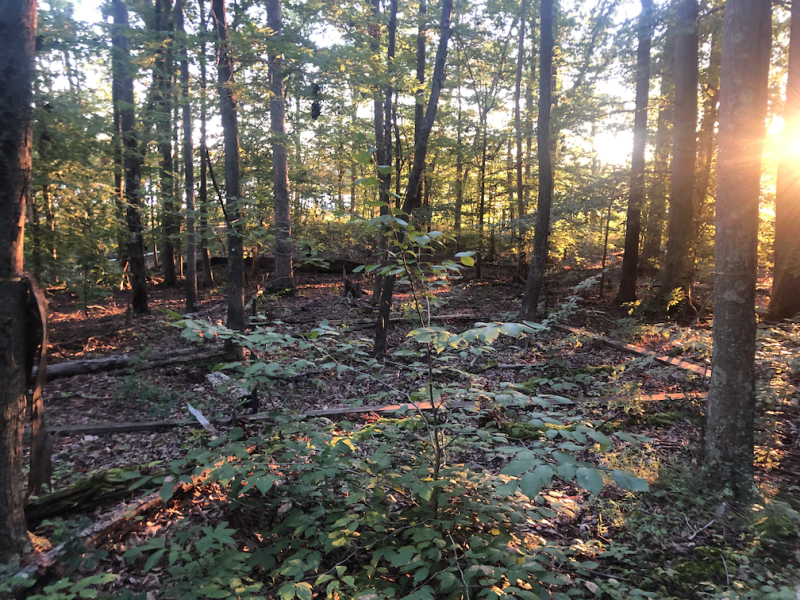
This study demonstrated that a large-scale flooding experiment in coastal Maryland, USA, aiming to understand how freshwater and saltwater floods may alter soil biogeochemical cycles and vegetation in a deciduous coastal forest.
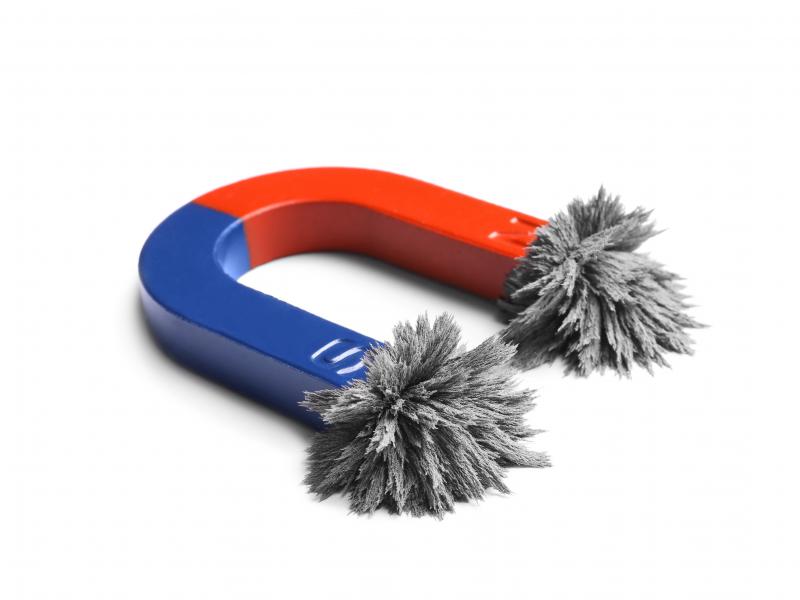
PNNL receives a 2023 Federal Laboratory Consortium Far West Regional Award for a technological innovation that could help make the U.S. a producer of critical minerals used in electronics and energy production.
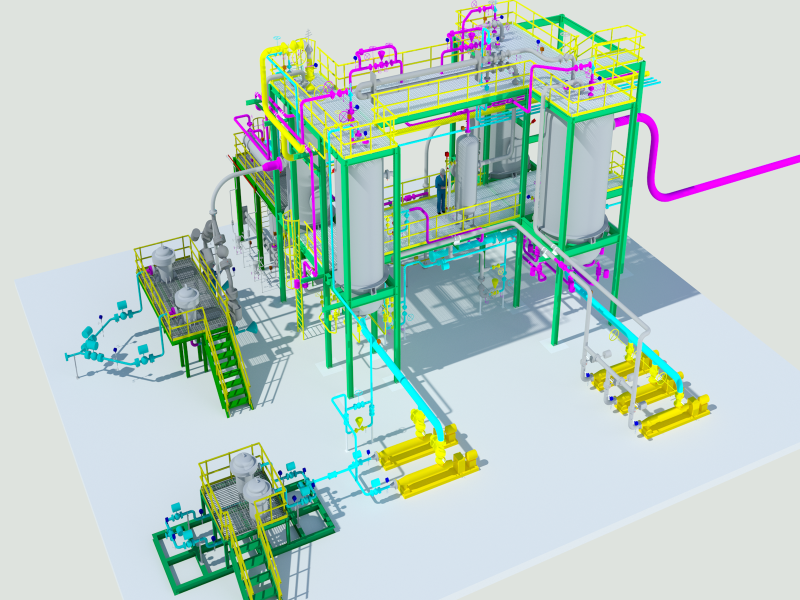
A PNNL innovation uses steam to recover heat from the high-temperature reactor effluent in the HTL process, substantially reducing the propensity for fouling and potentially reducing costs.