Six energy technologies that do everything from protect fish to monitor the health of flow batteries are getting a boost at PNNL with support from DOE's Technology Commercialization Fund.
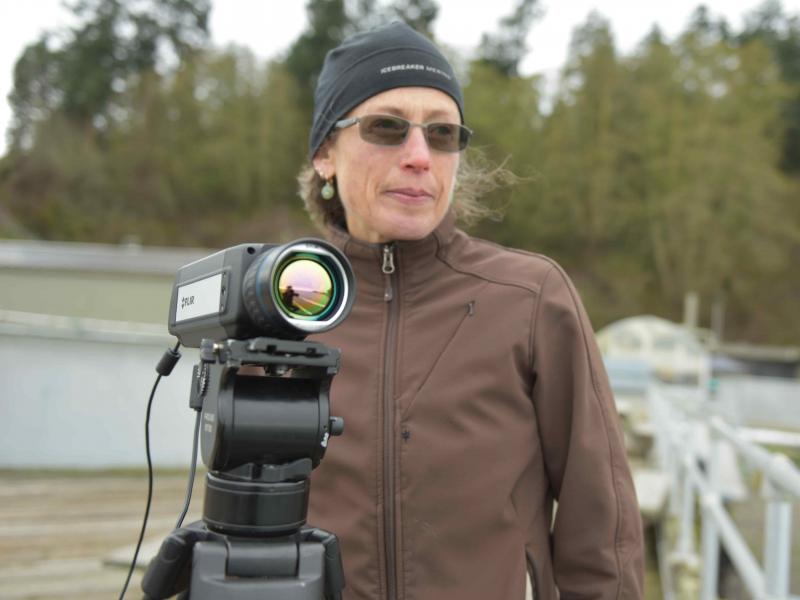
PNNL's ThermalTracker software analyzes video with night vision, the same technology that helps soldiers see in the dark, to help offshore wind power be bird- and bat-friendly.
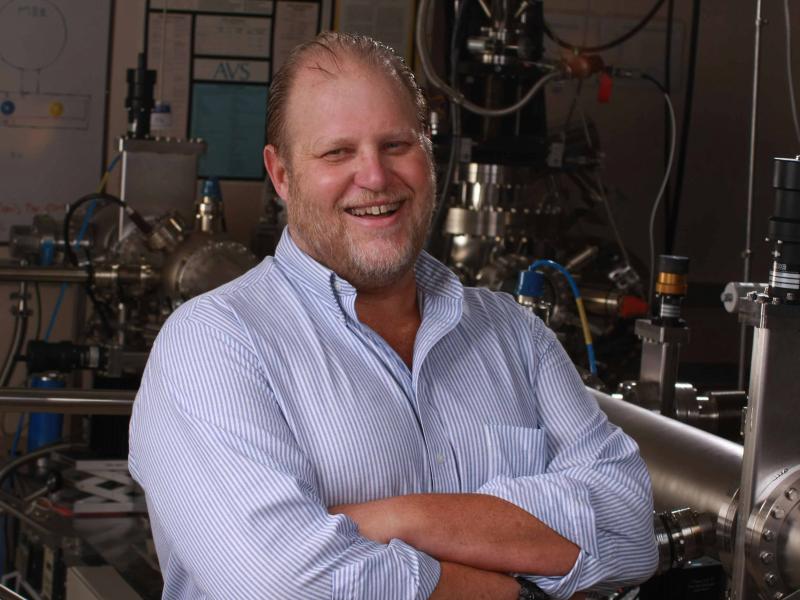
PNNL researcher Bruce Kay has been elected to membership in the Washington State Academy of sciences and three other staff members have been elected to positions on the WSAS board of directors.
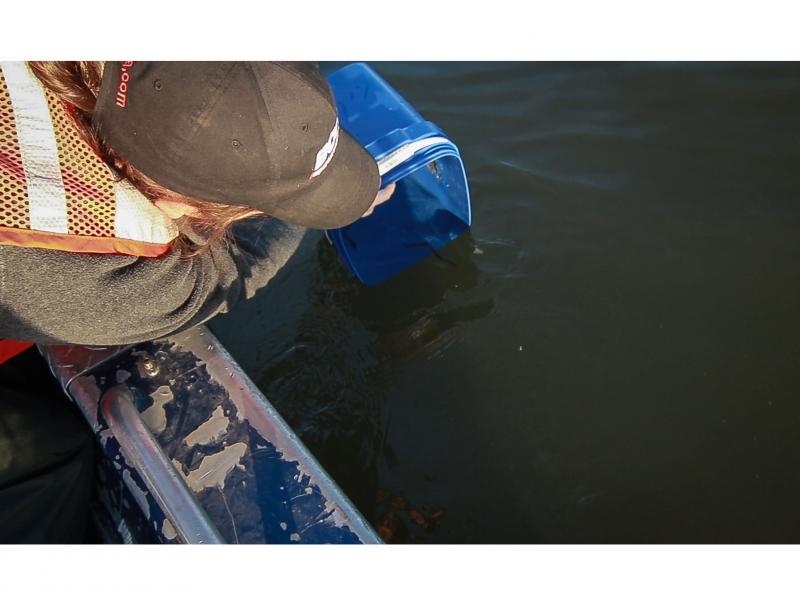
PNNL is studying the movement of lamprey fish, which are culturally and historically important to the Pacific Northwest, on rivers and through hydroelectric dams.
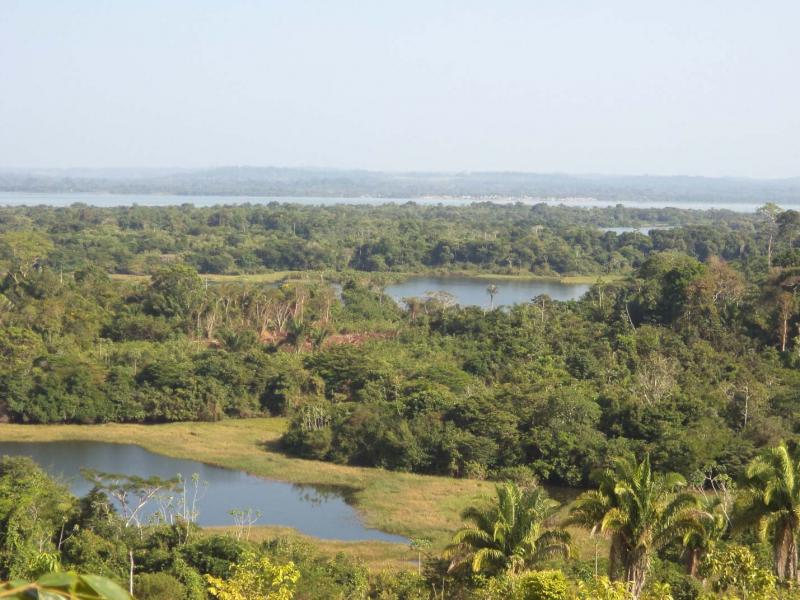
Emissions of isoprene, a compound from plant matter that wields great influence in the atmosphere, are up to three times higher in the Amazon rainforest than scientists have thought.
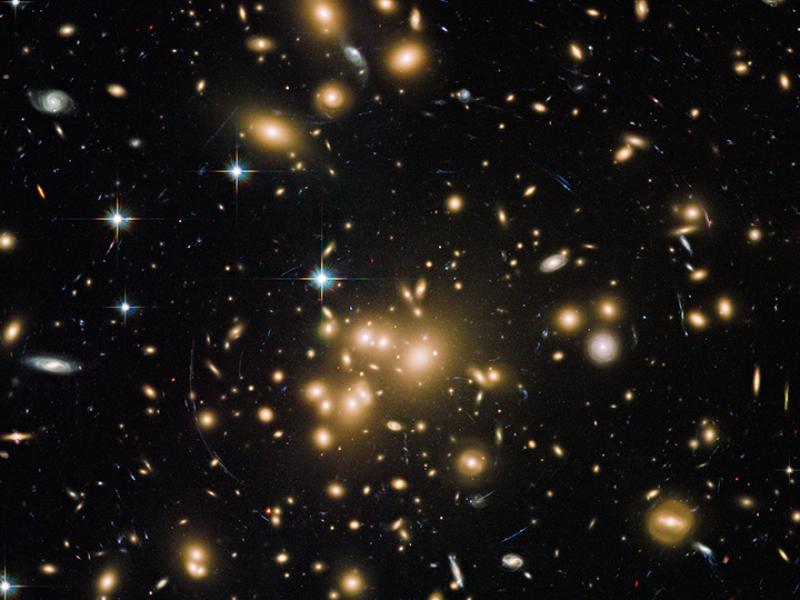
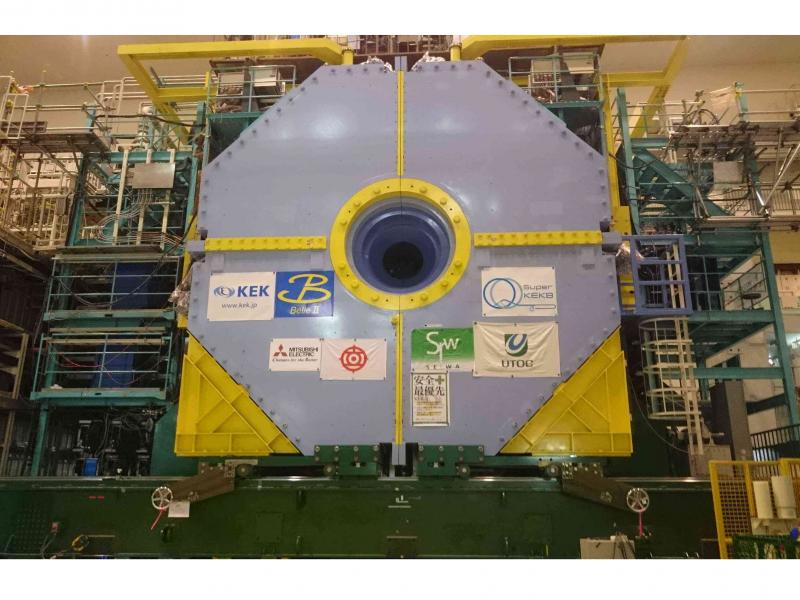
To study some of the tiniest particles in the universe, an international band of physicists is building a massive instrument to look for signs of particles predicted to be fundamental to the workings of the universe.