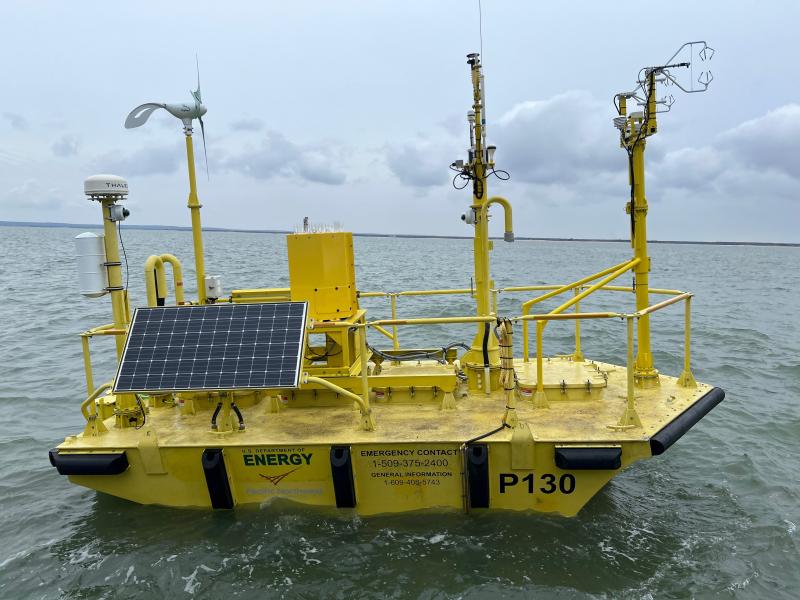
Researchers seek to bring down costs, address potential environmental risks and maximize the benefits of harnessing wind energy above the deep waters of the Pacific.
New methodological approach demonstrates how to assess the economic value, including non-traditional value streams, of converting non-powered dams to hydroelectric facilities.
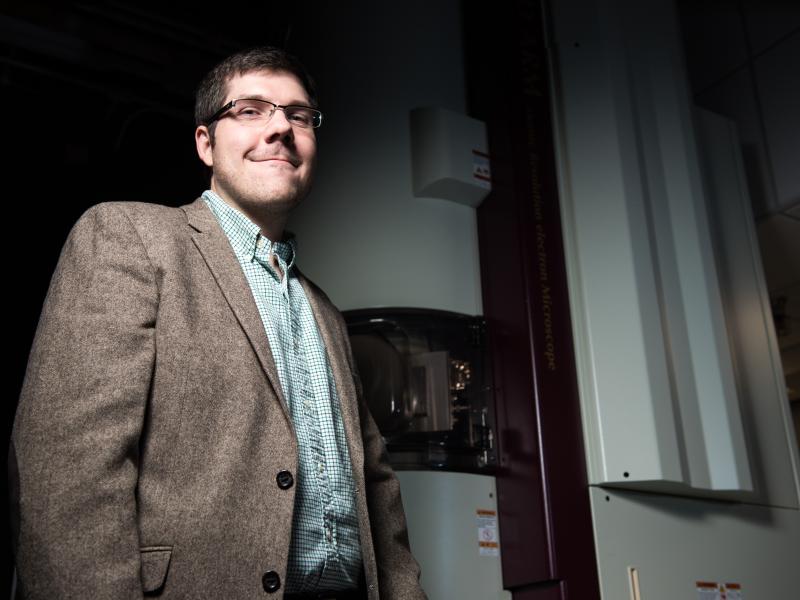
Steven Spurgeon, materials scientist supporting the National Security Directorate at PNNL, was recently named lead machine learning editor for the journal Microscopy and Microanalysis.
A new AI model developed at PNNL can identify patterns in electron microscope images of materials without requiring human intervention, allowing for more accurate and consistent materials science.
In 2006, battery research was practically non-existent at PNNL. Today, the lab is lauded for its battery research. How did PNNL go from a new player to a leader in state-of-the-art storage for EVs and the grid?
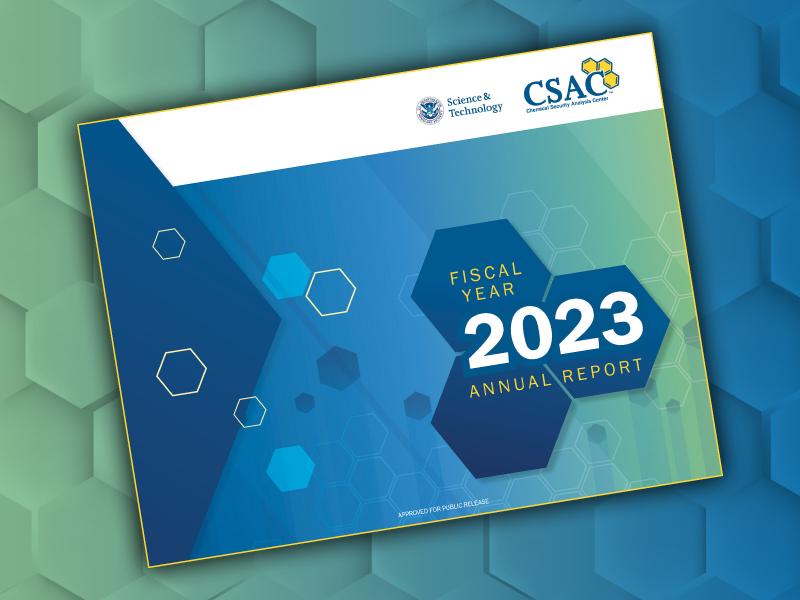
PNNL is supporting the Department of Homeland Security Science and Technology Directorate's Chemical Security Analysis Center in improving capabilities to enhance detection and analysis of chemical threats.
There are many ways that researchers at PNNL bring unique perspectives to the field of distributed wind. One is the fact that PNNL's distributed wind projects are all led by women.
PNNL’s Chris Chini has been named a guest editor of Environmental Research: Infrastructure and Sustainability’s special issue examining energy infrastructure vulnerabilities from physical and natural threats.
A PNNL study developed a water management module for Xanthos that distinguishes between the operational characteristics of hydropower, irrigation, and flood control reservoirs.
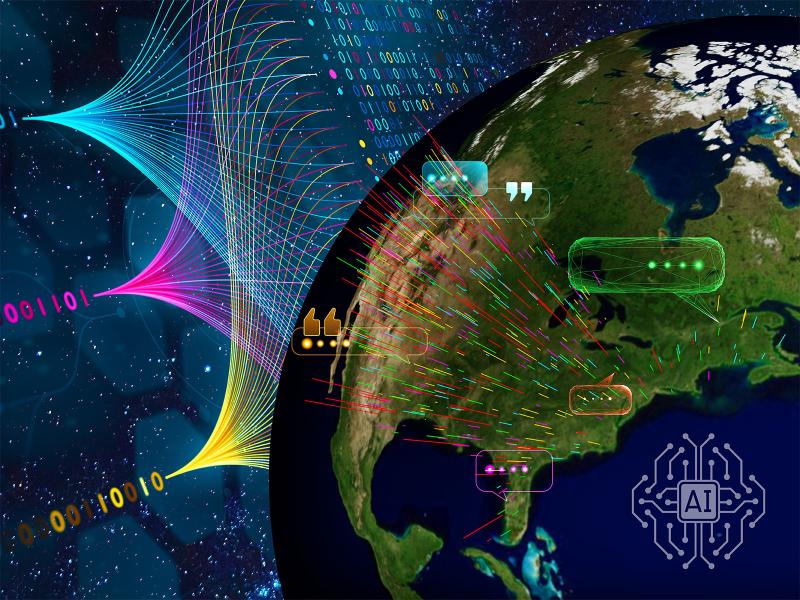
ChatGrid™ is a practical application of the Department of Energy’s exascale computing efforts and offers a new experience in easy, intuitive, and interactive data interaction.
The nation is closer to its offshore wind energy goals than ever before, but better wind forecasting is still needed. To address this challenge, PNNL and collaborators are charting a new course with help from novel technology.
Ang participated in a White House-hosted CHIPS R&D event and roundtable discussion with senior leaders from industry, academia and key government agencies.