Latest Stories

158 results found
Filters applied: Subsurface Science, Reactor Operations
FEBRUARY 18, 2017
Director's Column

PNNL Helps Hanford Cleanup

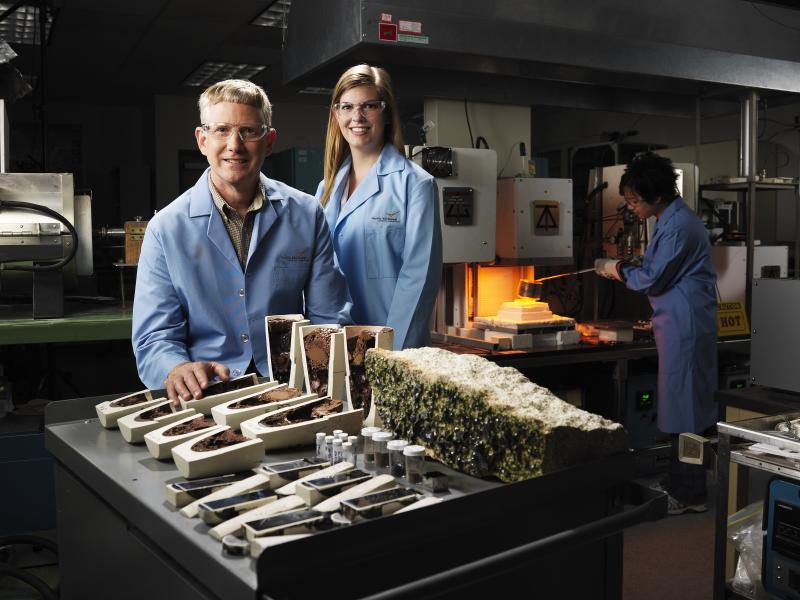
Cleaning up Hanford is no easy task: it is one of the world's largest and most complex environmental remediation projects. The nation's top engineering firms are on the job and the Department of Energy's PNNL is helping.
JANUARY 8, 2016
News Release

How Seashells Get Their Strength

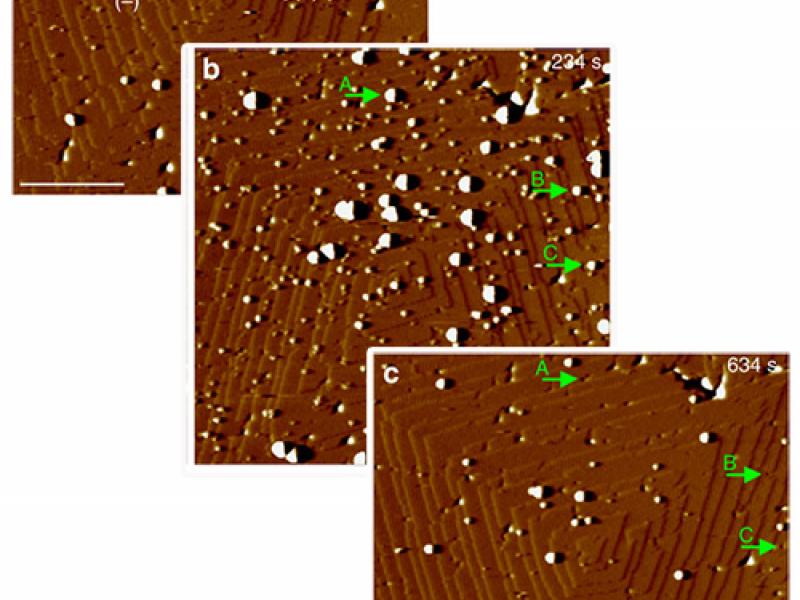
Calcium carbonate found in chalk, shells and rocks is one of the most important materials on earth. New insights on how it turns into hard, strong materials will help scientists design materials needed for a low-carbon future.
NOVEMBER 1, 2015
Feature

New Watts Bar Reactor Gets Green Light for Operations

On October 22, the U.S. Nuclear Regulatory Commission (NRC)​​​​​​​granted Tennessee Valley Authority's (TVA's) Watts Bar Nuclear Generating Station a 40-year operating license for its new Unit 2 reactor. This is the first nuclear reactor to be granted an operating license by the NRC in two decades.
OCTOBER 12, 2015
Feature

Corrosion Cracking: When Does it Really Start?

Pressurized water nuclear reactors in the United States generate about 13 percent of U.S. electricity. Though efficient, these reactors face a unique challenge with stress corrosion cracking (SCC). This type of corrosion is one of the primary life-limiting degradation mechanisms of nickel-base alloy pressure boundary components, such as instrumentation and control rod nozzles, the welds that attach these nozzles to the reactor vessel, and welds that connect feedwater piping to the reactor vessel. As interest grows in a more sustainable and efficient fleet of nuclear reactors across the world, there is increasing interest in characterizing SCC initiation response.