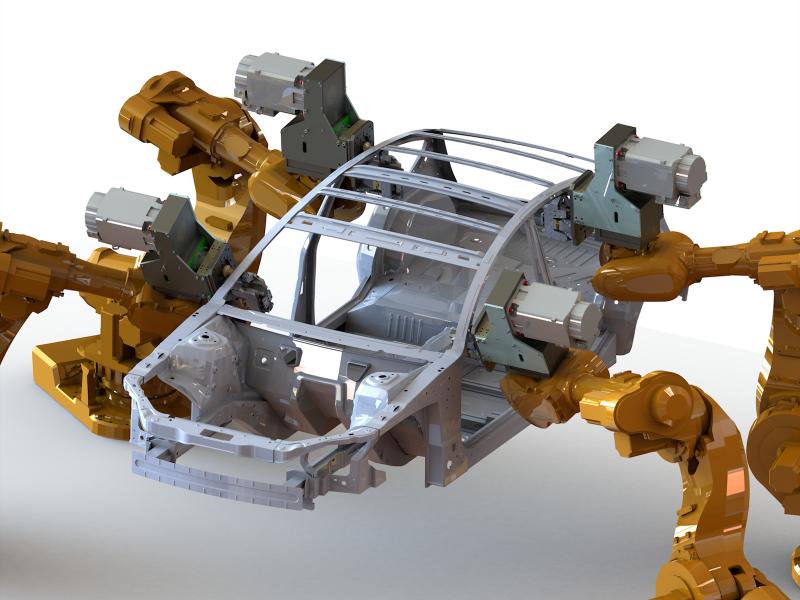
A breakthrough at PNNL could free friction stir from current constraints—and open the door for increased use of the advanced manufacturing technique on commercial assembly lines.
Peter Heine, senior advisor in the Strategic Threat Analysis group at PNNL, recently travelled to Brussels, Belgium, to support the World Customs Organization's Operation Stingray.
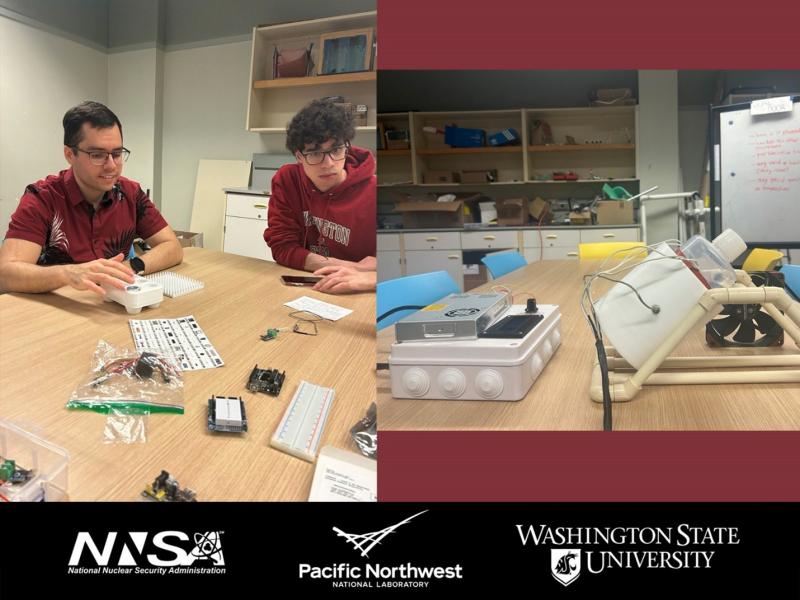
A team of researchers at PNNL has received the 2025 National Nuclear Security Administration CIO Award for developing an innovative solution to enhance secure communications.
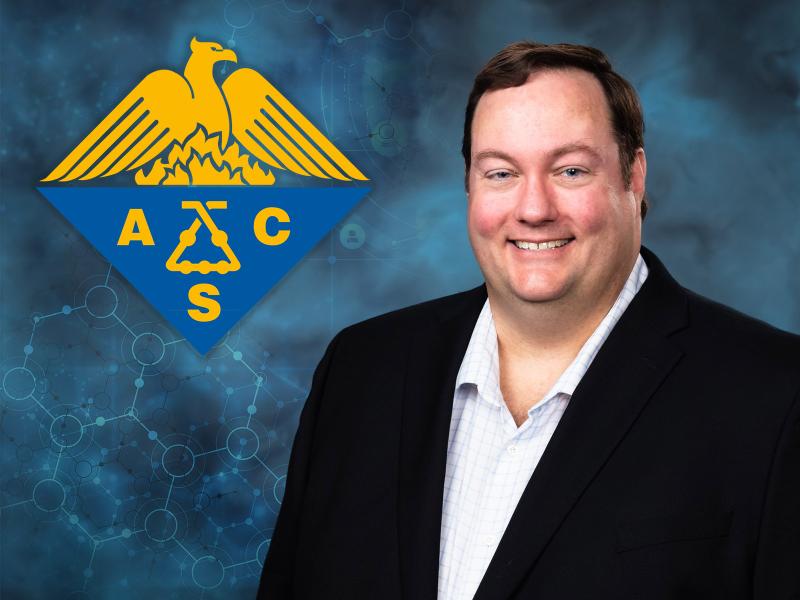
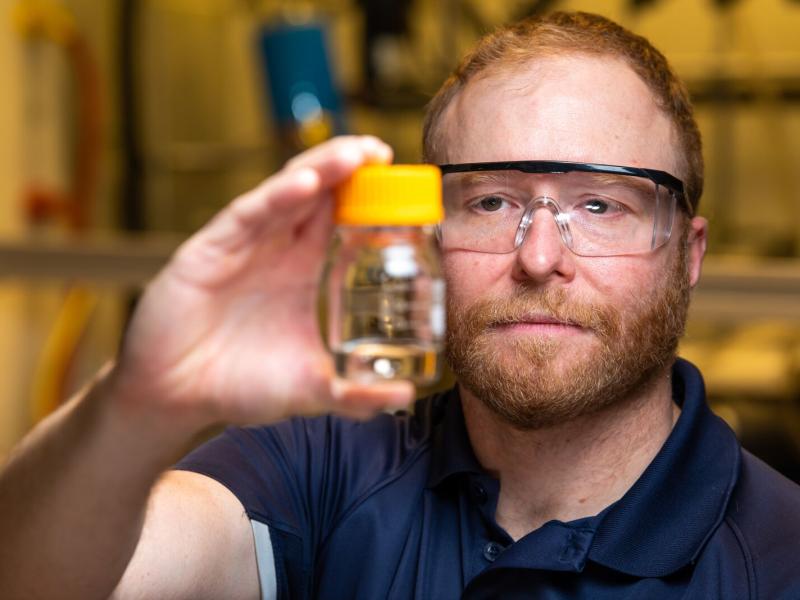
David Heldebrant was selected for the 2025 Distinguished Service Award from the American Chemical Society Division of Energy & Fuels, recognizing his impact to energy and fuels chemistry.
For PNNL’s Jonathan Evarts, Hope Lackey, and Erik Reinhart, this partnership with WSU opened doors and provided opportunities for their scientific careers to flourish.
By combining computational modeling with experimental research, scientists identified a promising composition that reduces the need for a critical material in an alloy that can withstand extreme environments.
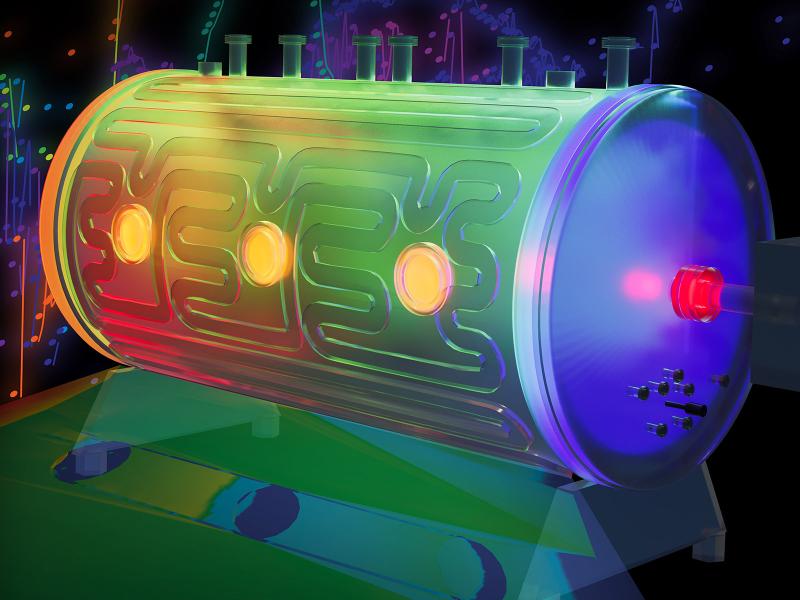
PNNL researchers have developed a new, physics-informed machine learning model that accurately predicts how heat accumulates and dissipates during friction stir processing.
Staff at PNNL recently traveled to Cyprus to facilitate a multilateral workshop on chemical forensics investigations hosted by the U.S. Department of State, Office of Weapons of Mass Destruction Terrorism.
Staff at PNNL recently visited the University of Texas at San Antonio to deliver lectures on international law, arms control, and nuclear nonproliferation during Nuclear Policy Week.
PNNL staff scientist selected as a guest editor for a special issue titled “Ligand-Metal Complementarity in Rare Earth and Actinide Chemistry,” in the well-known journal Inorganic Chemistry.
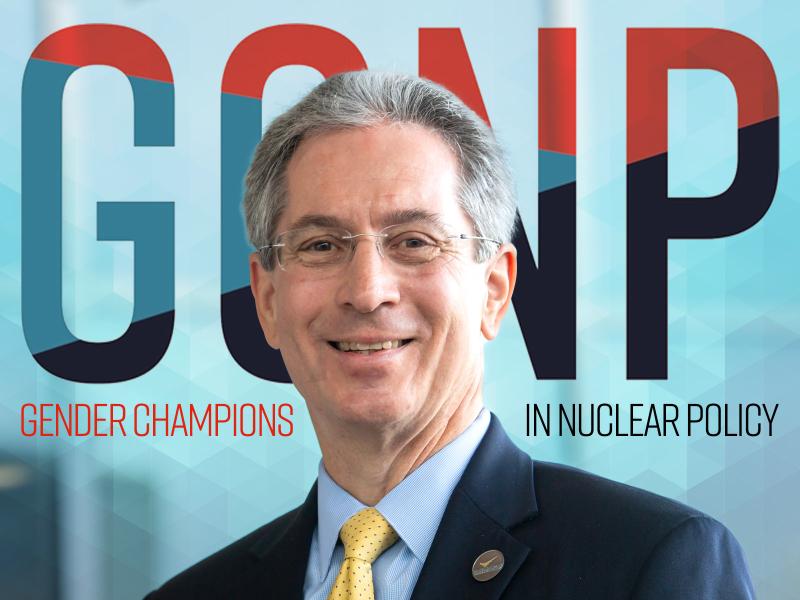
PNNL has joined Gender Champions in Nuclear Policy, a leadership network that brings together leaders of organizations working in nuclear policy who are committed to breaking down gender barriers.
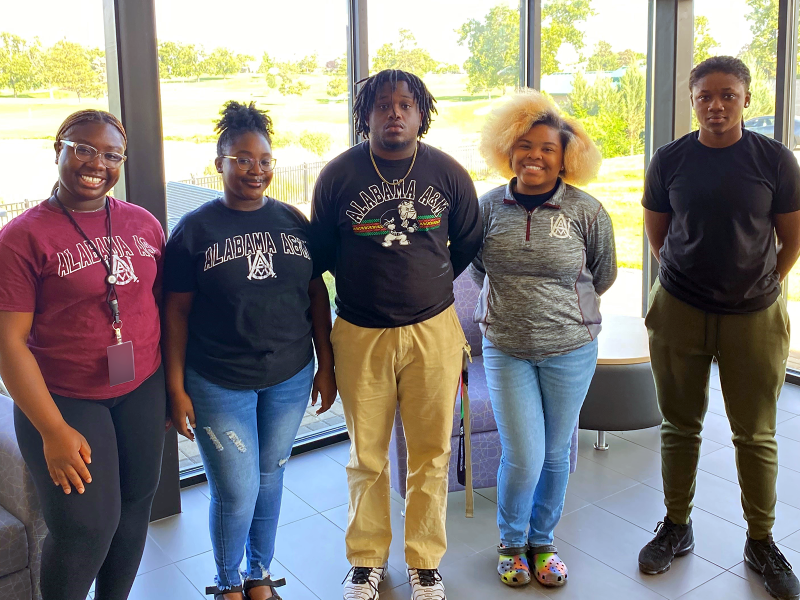
Germany Harris, Dewayne Maye, Sarah Olocha, Shaniya Pettway, and Rayonna Redmon became the first interns of the Minority Serving Institution Partnership Program Partnership for Radiation Studies Consortium at PNNL.
Across the United States, organic carbon concentration imposes a primary control on river sediment respiration, with additional influences from organic matter chemistry.
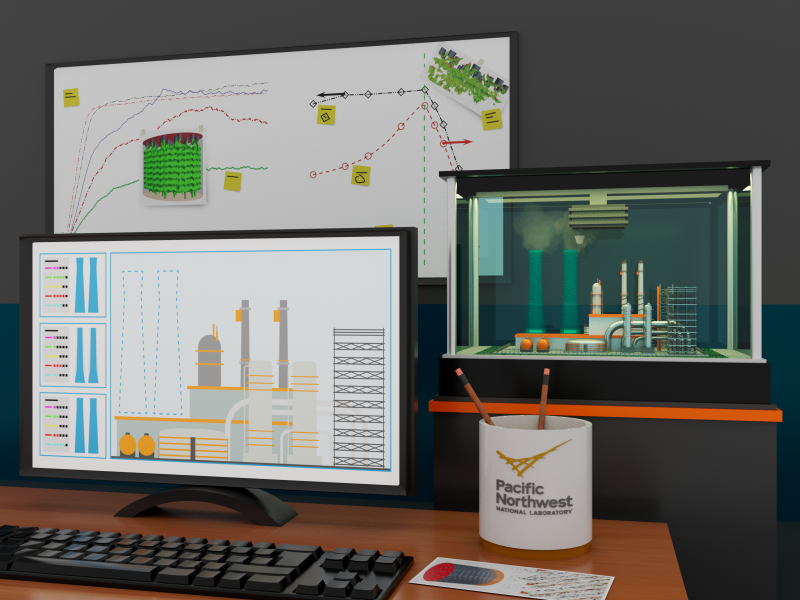
PNNL scientists carve a path to profit from carbon capture by creating a system that efficiently captures CO2 and converts it into one of the world’s most widely used chemicals: methanol.