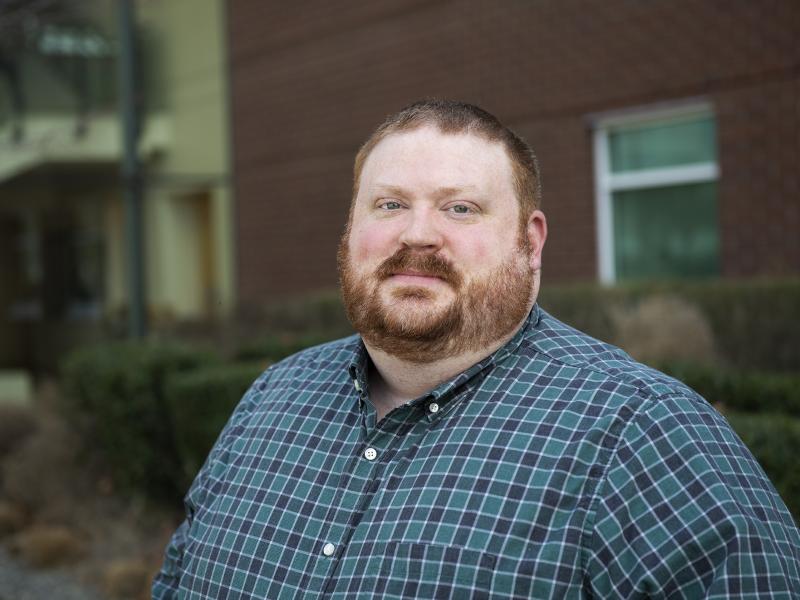
PNNL's Northwest Regional Technology Center interviews Assistant Chief of Resource Management for Seattle Fire Department Willie Barrington about how his team faced the unknown when the COVID-19 pandemic hit Seattle, Washington.
Ten staff members from PNNL were invited to attend and lead the various breakout sessions at the Department of Energy Office of Science 5G Enabled Energy Innovation Workshop (5GEEIW), which was held in early March.
Verizon recently announced a partnership that will make Pacific Northwest National Laboratory the U.S. Department of Energy’s first national laboratory with Verizon 5G ultra wideband wireless technology.
David Manz, a PNNL cybersecurity scientist working to build more resilient architectures for the nation’s critical infrastructure, was inducted to the National Science Foundation’s CyberCorps: Scholarship for Service (SFS) Hall of Fame.
In a special edition of the Journal of Information Warfare, Pacific Northwest National Laboratory researchers explore the revolution of technologies defending the nation’s critical infrastructure.
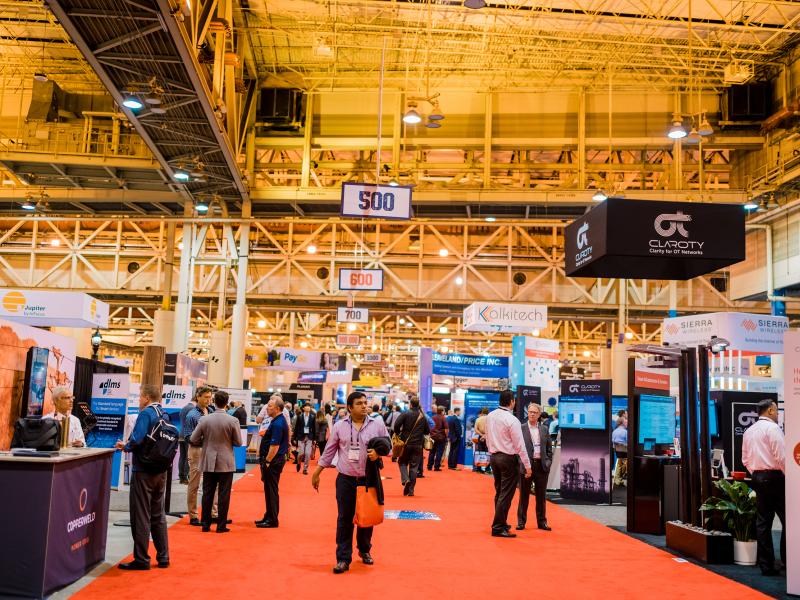
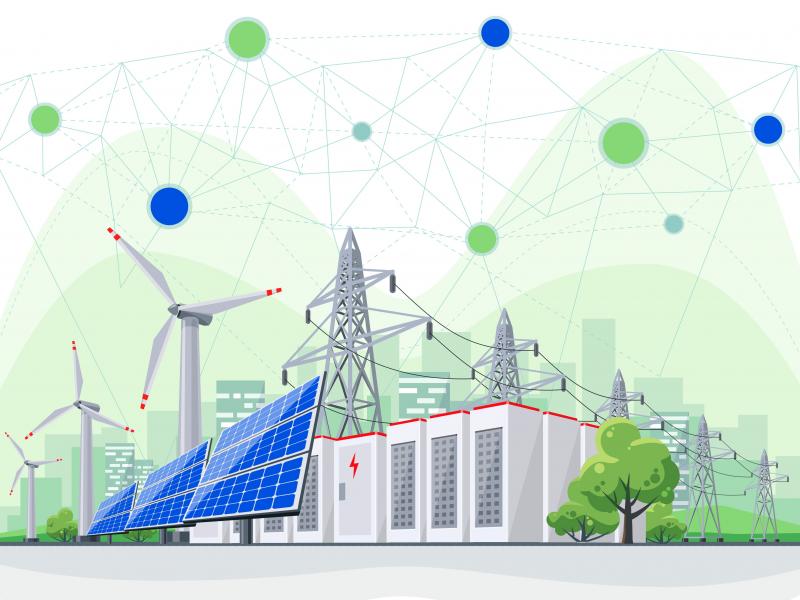
PNNL and the 13 other national laboratories of the Grid Modernization Laboratory Consortium (GMLC) will be sharing their R&D work and technologies for grid modernization at DistribuTECH International in San Antonio Jan. 28-30.
PNNL will lead three new grid modernization projects funded by the Department of Energy. The projects focus on scalability and usability, networked microgrids, and machine learning for a more resilient, flexible and secure power grid.
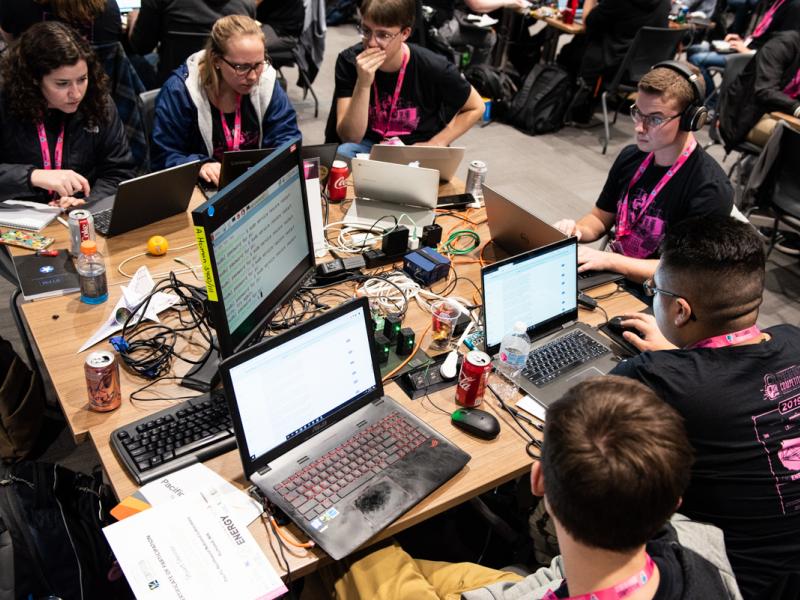
Seventeen teams from regional colleges and universities gathered at PNNL Nov. 16 to put their cyber skills to the test by protecting critical energy infrastructure against simulated cyberattacks as part of DOE's CyberForce Competition.
In one of the largest blockchain grid-cyber projects of its kind, PNNL is working with a network of industry partners to test and demonstrate blockchain’s ability to increase the cybersecurity resilience of power grid.
In November, Northeastern University Seattle (NU-Seattle) hosted "Smart Cities: Critical Infrastructure Protection" to explore technology and policy opportunities and challenges facing the smart city evolution.