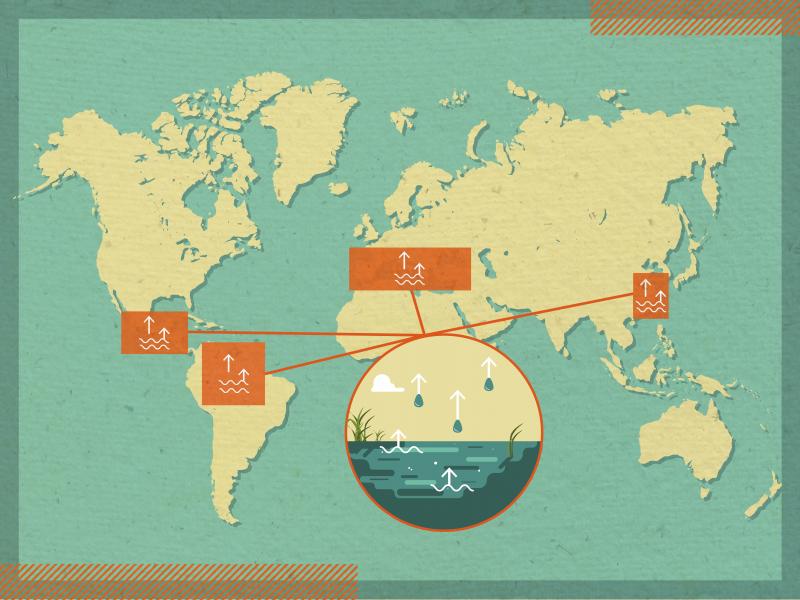
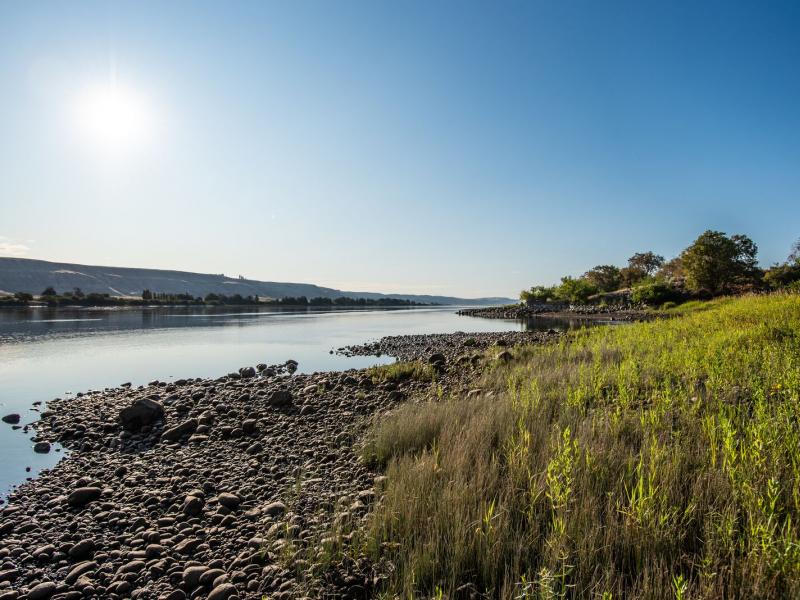
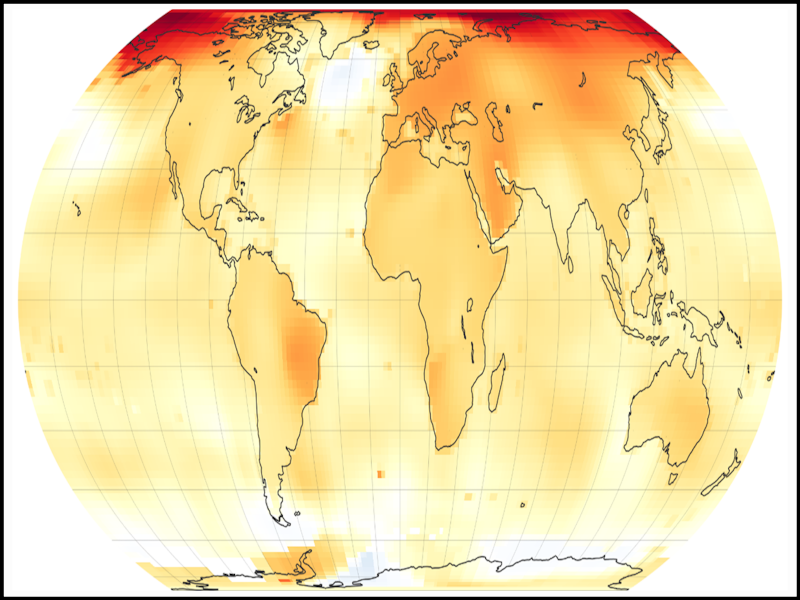
PNNL scientists reveal that climate change will increase lake evaporation most dramatically in the Mediterranean, Southeast China, and Tropical America.
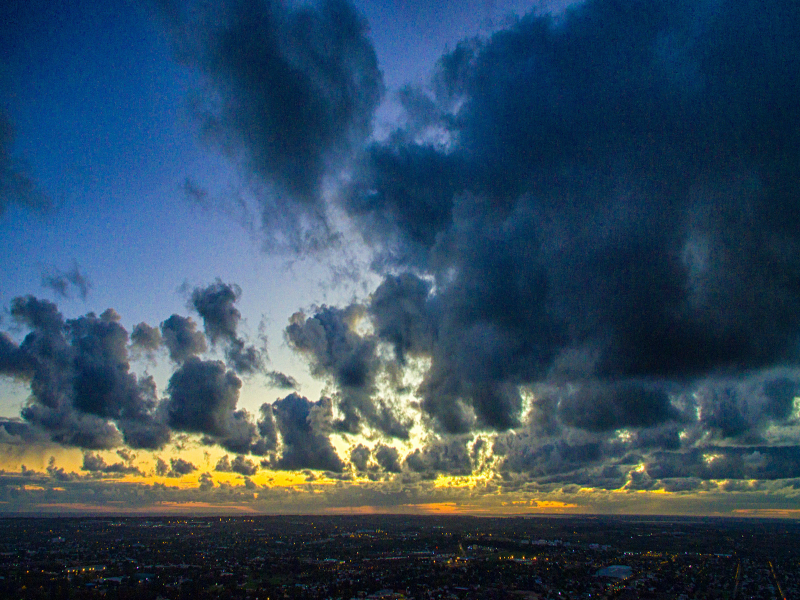
Moving toward a deeper understanding of the influence of large marine biogenic particles on cloud ice formation by combining modeling and observational data.
To improve the study of human-Earth interactions, a 10-year vision report by the MultiSector Dynamics community of practice encourages the use of emerging human systems datasets, embedded intelligence in modeling, and workforce diversity.
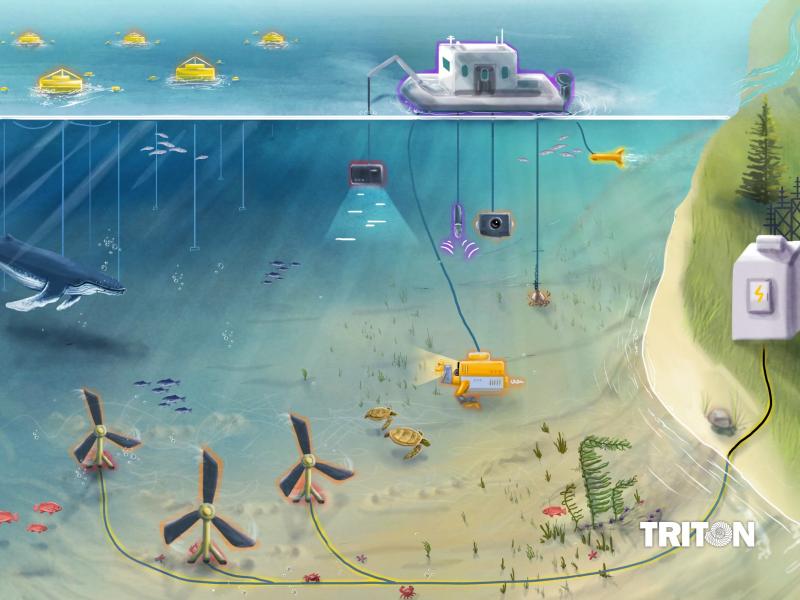
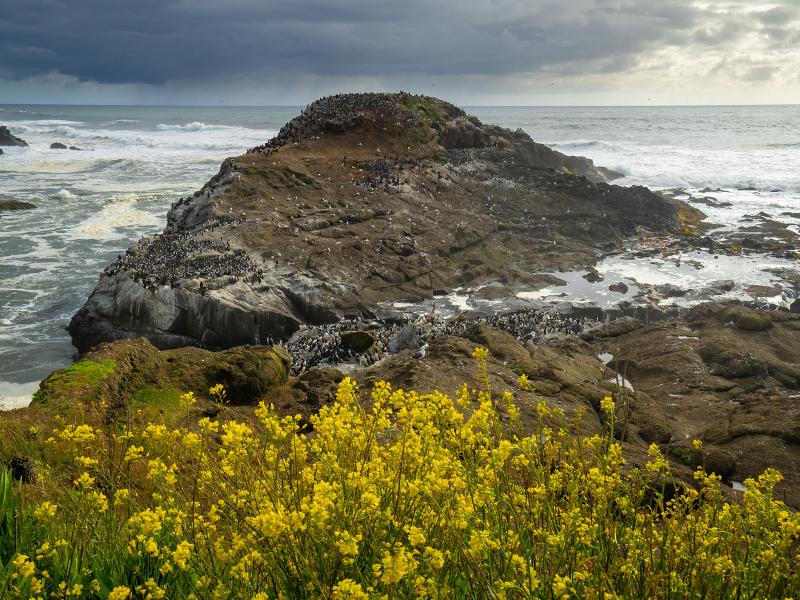
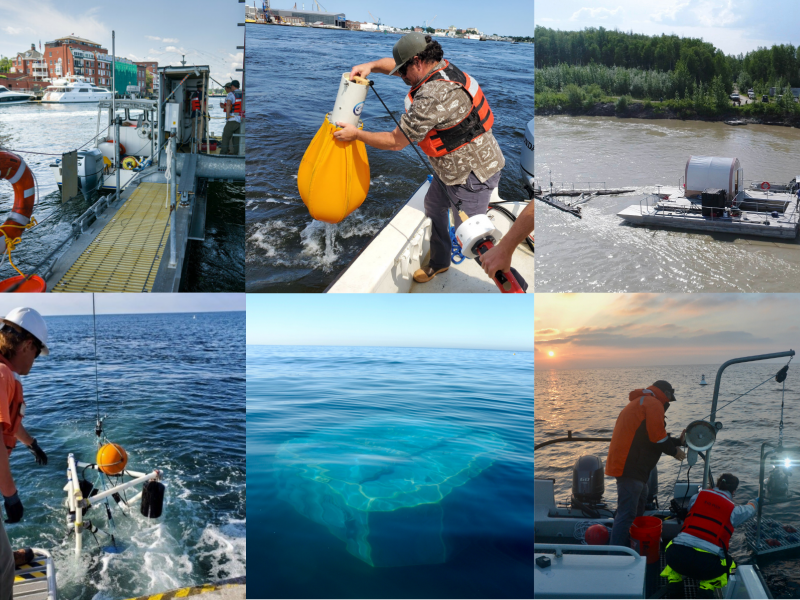
The Triton Initiative highlights different creative science communications, including photography, writing, and science art, and the impact they have on the project's marine energy research.
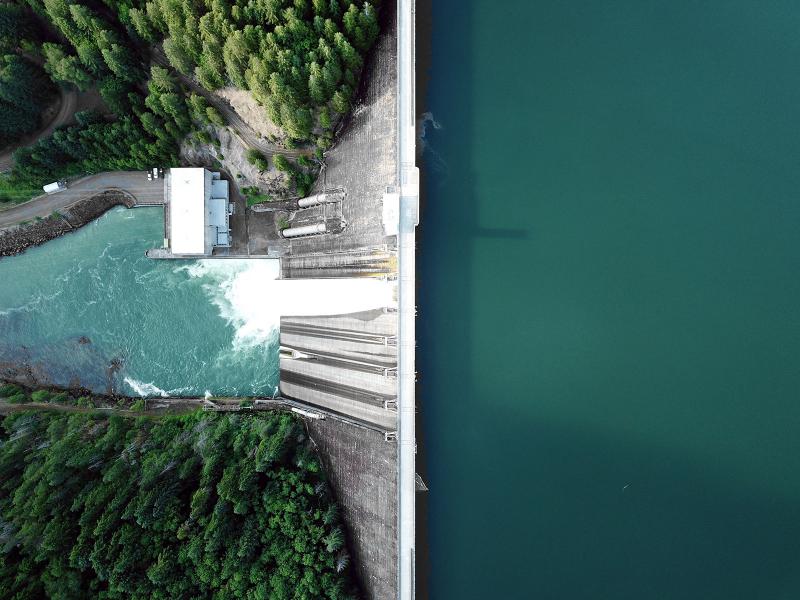
A new PNNL study quantifies hydropower's contribution to grid stability. When other power sources go out, hydropower can ramp up, recoup shortfalls, and stabilize the grid nearly instantaneously.
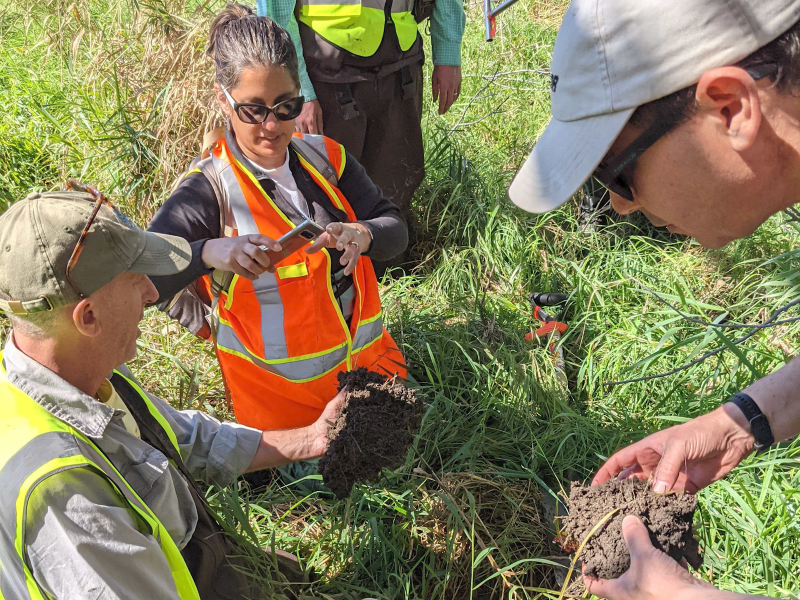
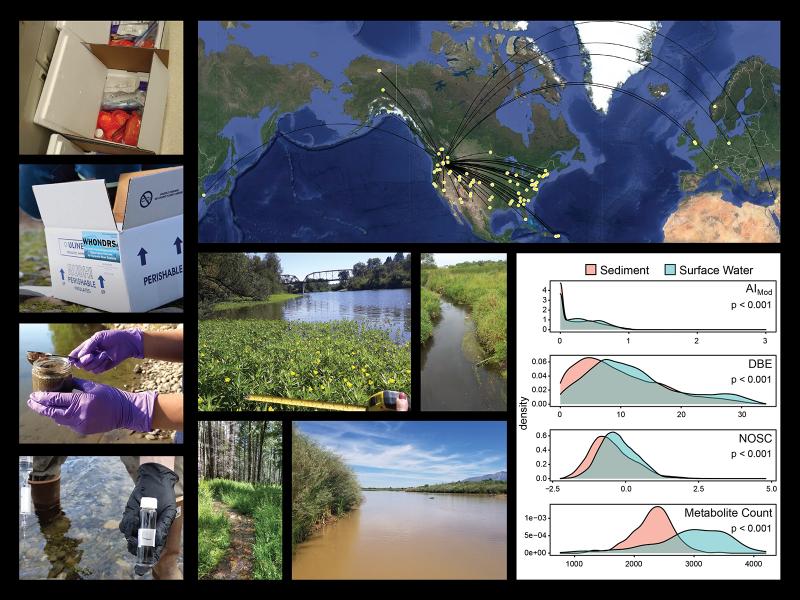
Developing conceptual models for microbial-environmental–ecosystem interactions is key to enhancing the ability of models to predict future ecosystem function.
The rapid growth of urban nanoparticles via the condensation of organic vapors substantially alters shallow cloud formation and suppresses precipitation.
AMS Hydrologic Sciences Medal is presented to researchers who make outstanding contributions to scientific knowledge in hydrology, hydrometeorology, and/or hydroclimatology, including interactions between land surface and the atmosphere.
Two PNNL studies that describe the potential value of offshore wind off the Oregon Coast and distributed wind in Alaska were published in the journal Energies.
Ensembles of 20–25 members, notably smaller than traditional large ensembles, can accurately represent changes in extremes of temperature and precipitation.