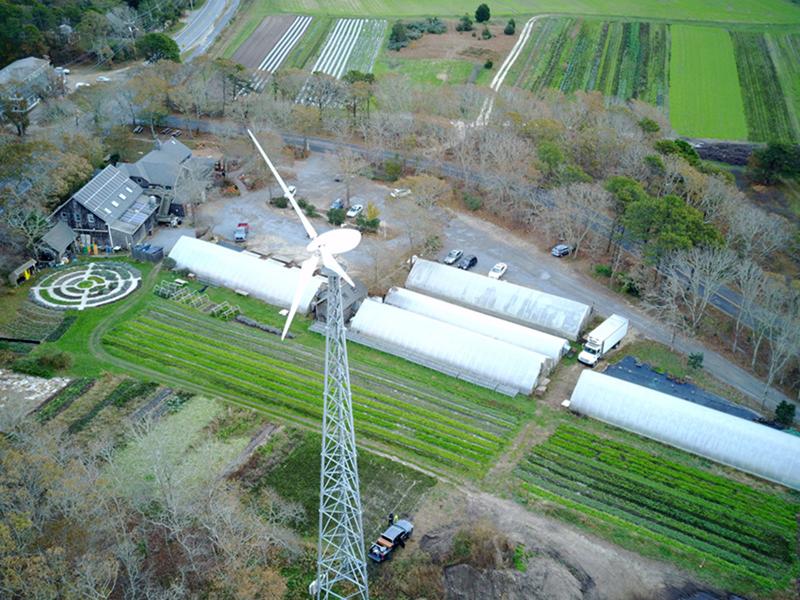
An evaluation of models and prediction tools for distributed wind turbines has unearthed data that can help potential users make the most informed decisions on upfront investments.
PNNL’s fall Pathways to Excellence award ceremony celebrated nearly 50 staff for their contributions across science, engineering, operations, and STEM education.
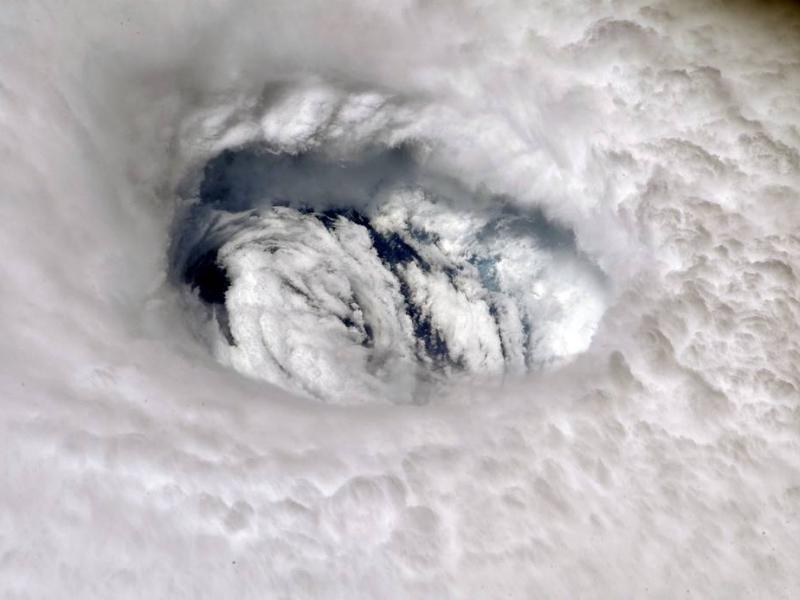
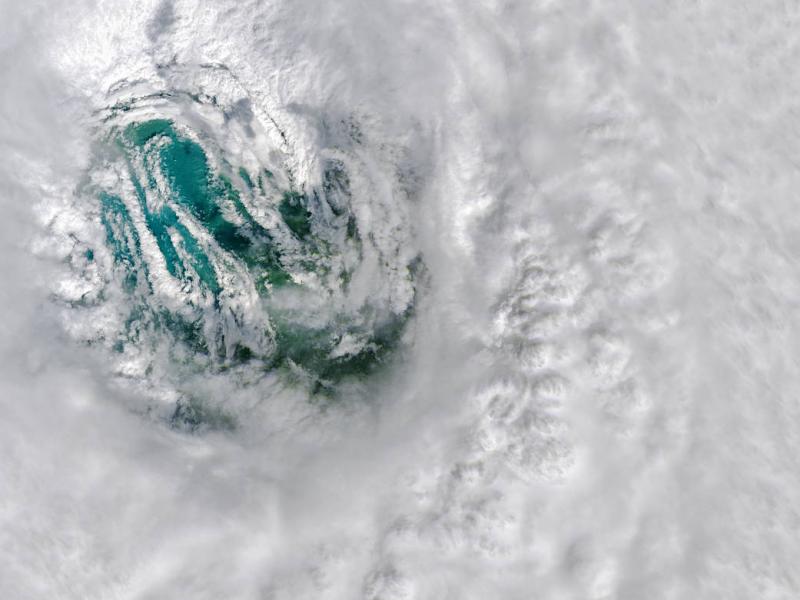
Scientists at PNNL are working to better prepare authorities, emergency responders, communities and the grid in the face of increasingly extreme hurricanes.
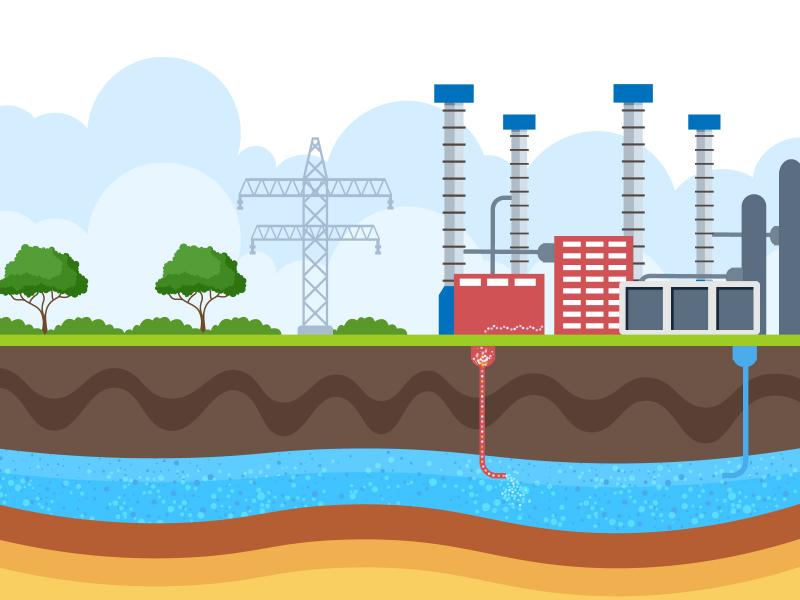
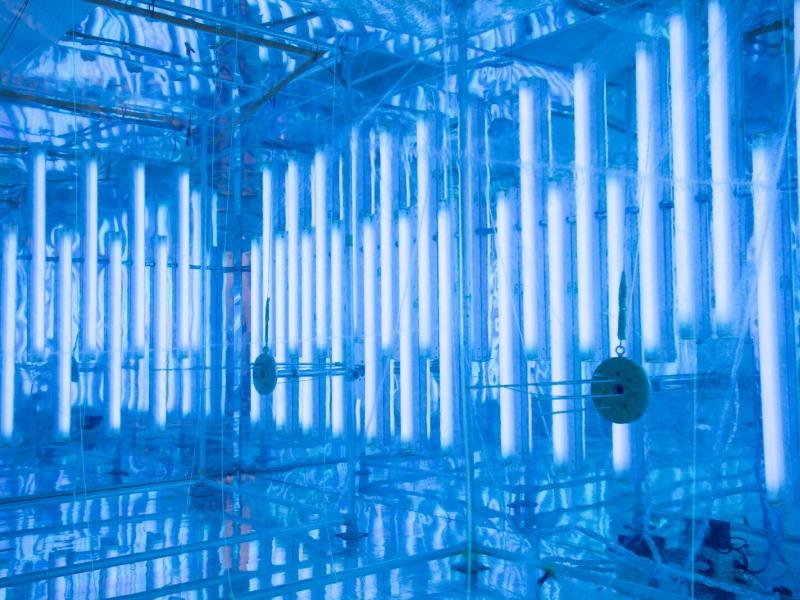
Research shows that coupling geothermal power plants with lithium extraction from geothermal brine would make geothermal energy more economically viable, providing renewable energy and valuable raw materials.
A new web-based tool provides easy-to-understand progress metrics and other data about groundwater cleanup sites overseen by the DOE Office of Environmental Management.
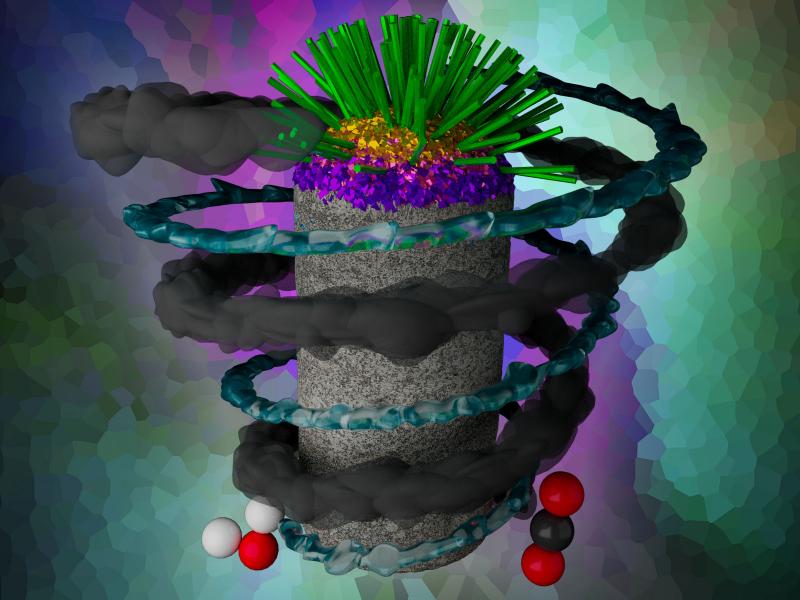
Some rocks can potentially convert injected carbon dioxide into more stable solid minerals. A new review article explores what scientists know about the atom-by-atom process.
Hydrologist Fernando Miralles-Wilhelm will lead the Joint Global Change Research Institute as its director, looking to the future of integrated assessments.
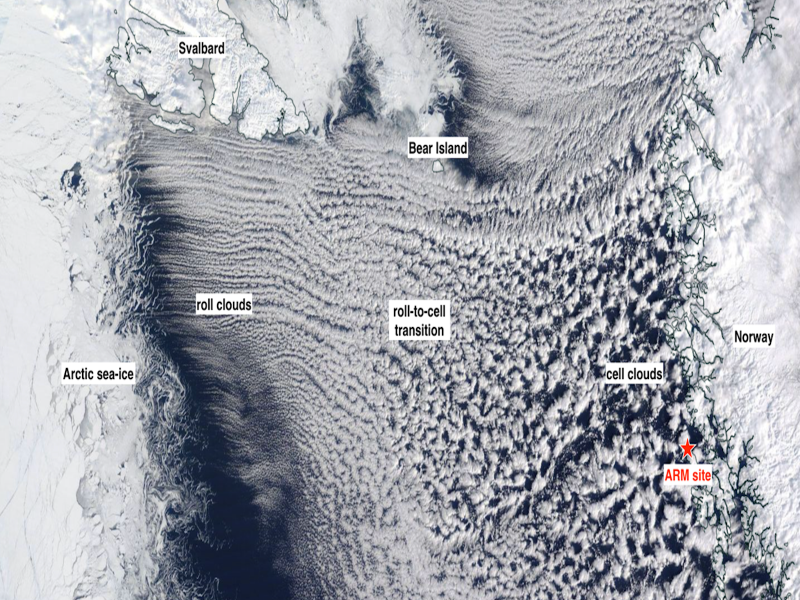
Secondary organic aerosol formation from monoterpenes is more strongly influenced by oxidant and monoterpene structure than by nitric oxides and hydroperoxy radical concentrations.
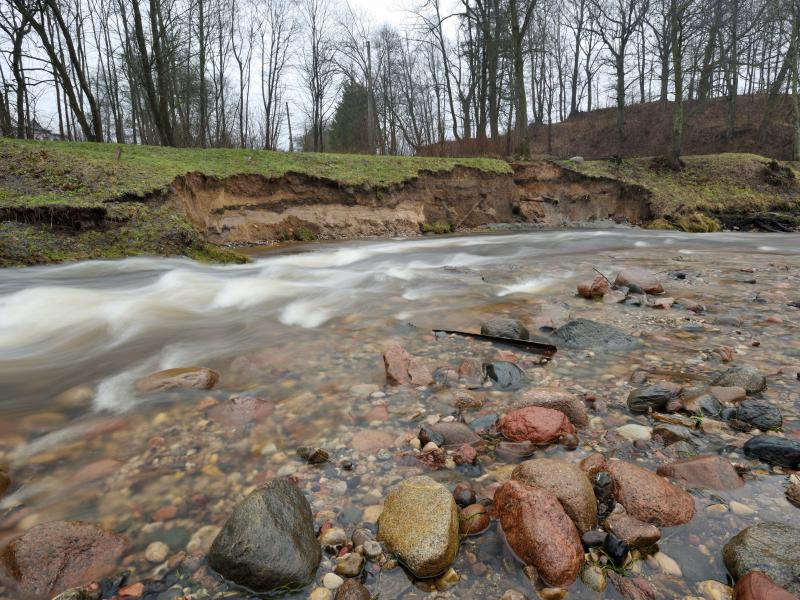
Across the United States, water moving between the river and riverbed sediments does not overcome localized processes that govern organic matter chemistry.