A 19-person, multi-institutional national laboratory team received the inaugural Gordon Bell Prize for Climate Modeling from the Association for Computing Machinery for their work on more accurately modeling deep convective clouds.
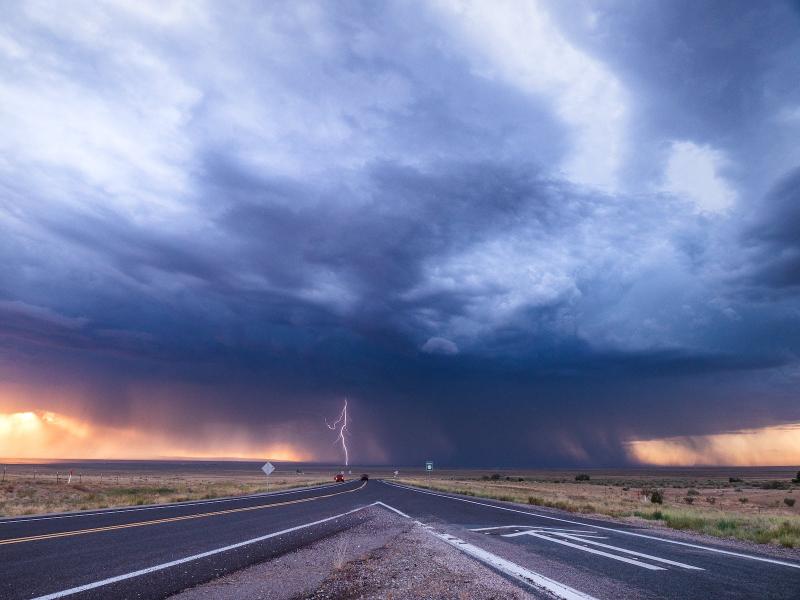
New research shows how cloud shapes affect the process of cloud evolution, resulting in better understanding of how clouds behave, improving weather forecasts, and enhancing comprehension of climate systems.
Department of Energy’s Advanced Research Projects Agency-Energy selects PNNL project to help accelerate the development of marine carbon dioxide removal technologies.
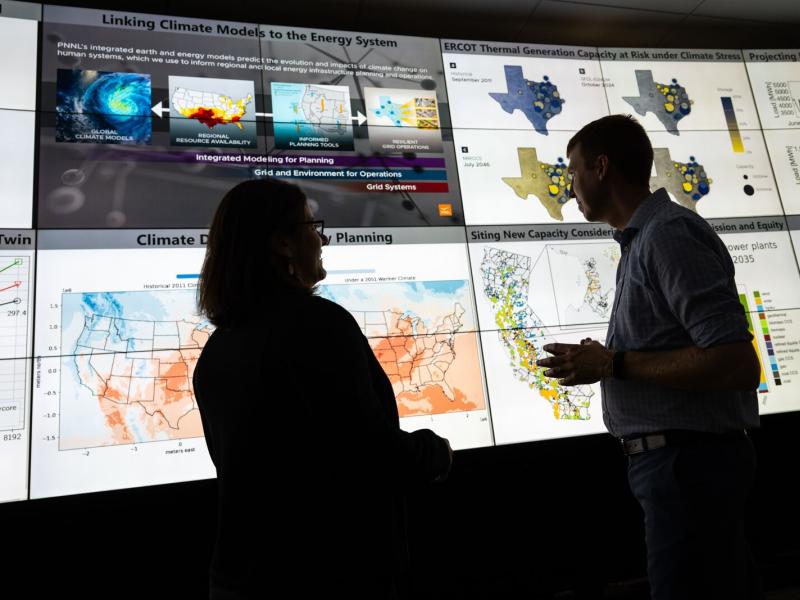
Researchers use models to represent relationships between climate and socio-economic processes, helping inform decisions for slowing climate change and enhancing resilience.
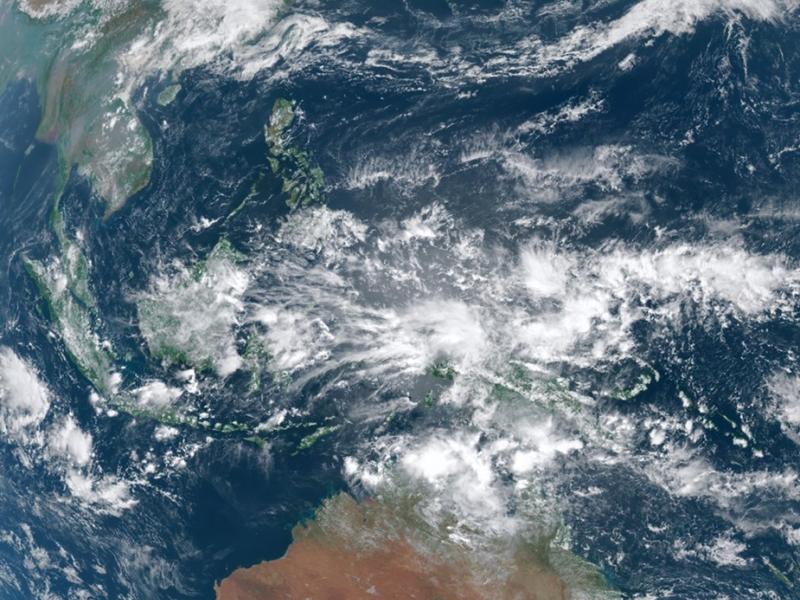
The roles of the various environmental variables in the transition from suppressed to active tropical precipitation regimes are characterized using statistical analysis and machine learning.
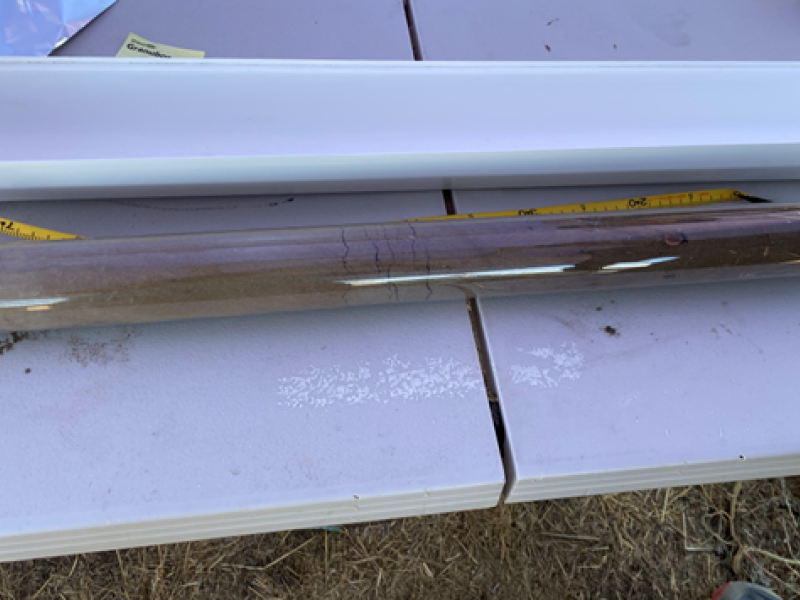
Soil is a massive reservoir of carbon, holding three times the amount of carbon than in the atmosphere. Soil is a massive reservoir of carbon, holding three times the amount of carbon than in the atmosphere.
This study revealed that fresh organic vapors are soluble in particulate organics that are actively growing in size. However, if the particulate matter ages, fresh organic vapors can no longer mix with the organic matter.