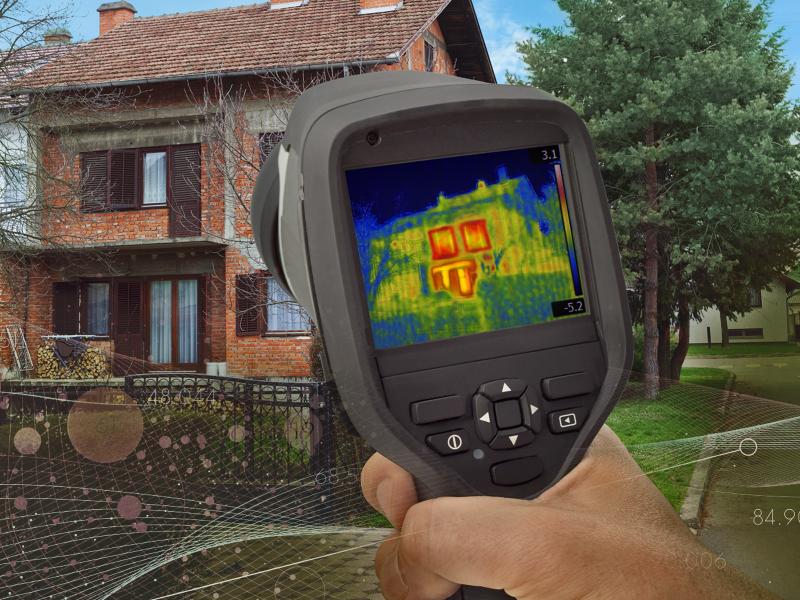
Next generation triple-pane windows provide builders with lower cost options and help homeowners conserve energy, reduce noise, and lower home energy bills.
Four research staff from PNNL are part of an international team that earned top honors for a journal paper focused on a new algorithm-evaluation approach for buildings.
The eighth Arab-American Frontiers of Science, Engineering, and Medicine Symposium, co-organized by PNNL engineer and research line manager Leonard Pease, brought together multi-disciplinary researchers from around the globe.
PNNL will provide technical resources and support to a national coalition of states and cities focused on implementing building performance standards to improve energy efficiency and reduce carbon emissions.
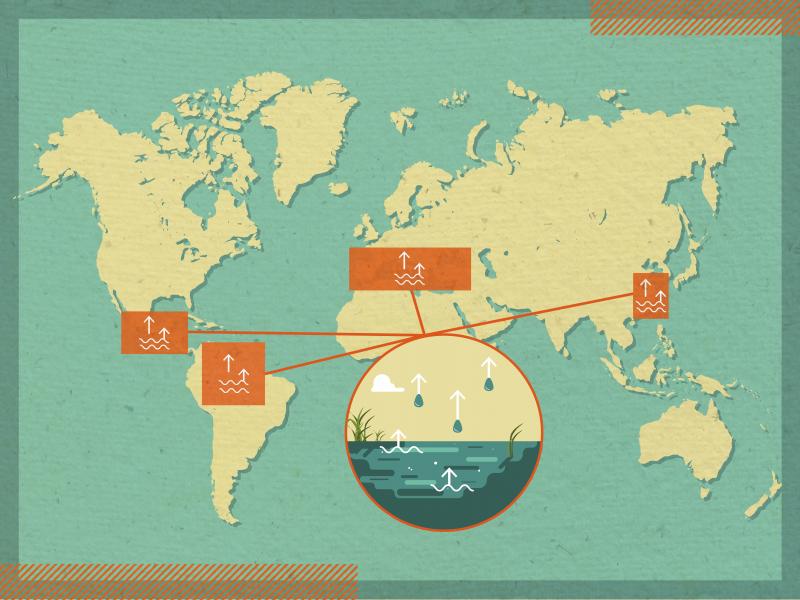
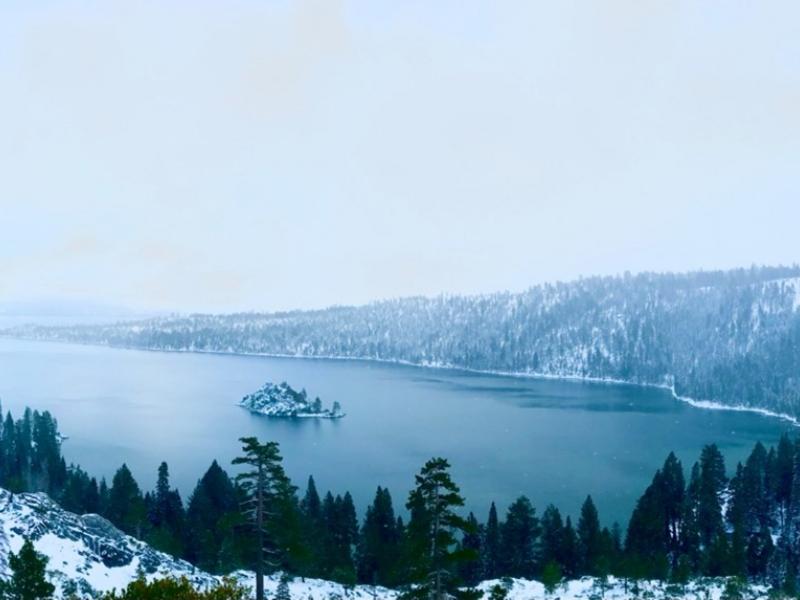
PNNL scientists reveal that climate change will increase lake evaporation most dramatically in the Mediterranean, Southeast China, and Tropical America.
Moving toward a deeper understanding of the influence of large marine biogenic particles on cloud ice formation by combining modeling and observational data.
To improve the study of human-Earth interactions, a 10-year vision report by the MultiSector Dynamics community of practice encourages the use of emerging human systems datasets, embedded intelligence in modeling, and workforce diversity.
Sam Rosenberg, a data research scientist in the Energy and Environment Directorate at PNNL, has been appointed voting member of the Regional Technical Forum for the Northwest Power Conservation Council.