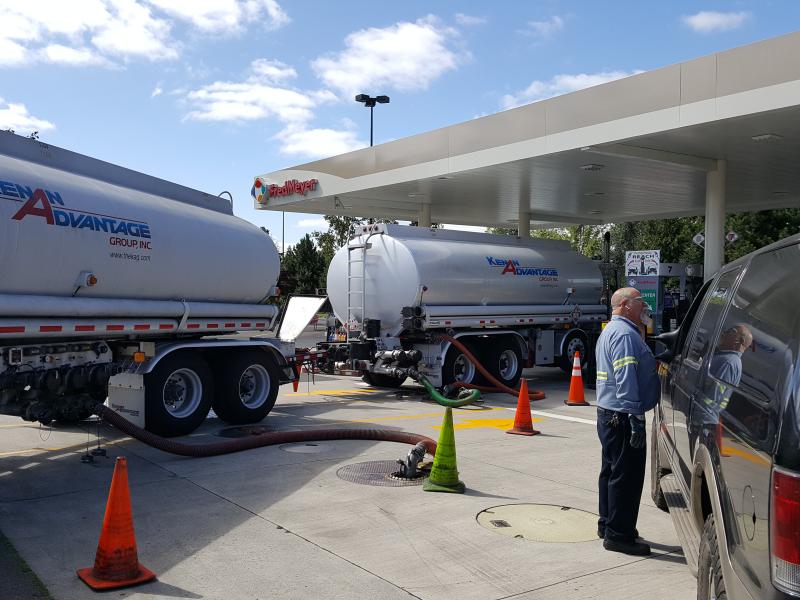
PNNL will analyze current and projected transportation fuel dynamics, supply chain risks, and risk comparators with relevant sectors, such as transportation electrification.
A new analysis shows how renewable energy sources like solar, wind and hydropower respond to climate patterns, and how utilities can use this data to save money and invest in energy storage.
A recent paper published in Science sheds light on how aerosols—tiny particles in the air—released by industrial activities can trigger downstream snowfall events.
Global experts gathered at PNNL for the 9th International Conference on Sodium Batteries, sharing advancements in sodium battery research and development.
The demand for energy is growing—and so is the technology supporting it. However, future development of power generation technologies could be affected by a key factor: material supply.
Through a detailed examination of historical data supported by mechanistic analysis and model experiments, researchers unveil that a large-scale climate system intensifies heat extremes and wildfire risks in the PNW.
This study shows that dry dynamics alone is not enough to understand jet stream persistence. Instead, clouds and precipitation are more important contributors than internal “dry” mechanisms to this memory of the Southern Hemisphere jet.
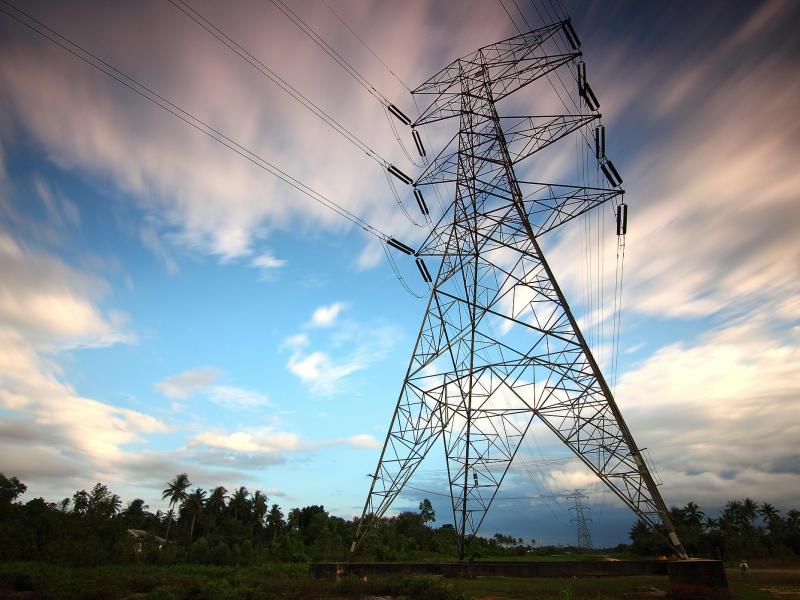
Energy storage is increasingly critical to building a resilient electric grid in the United States—a trend embodied by the Grid Storage Launchpad, a newly inaugurated, 93,000-square-foot facility at PNNL.
The National Business Aviation Association has named Andre Watson, PNNL's director of Aviation Maintenance, to the 2024 class of the Business Aviation Top 40 Under 40.
The Sodium-ion Alliance for Grid Energy Storage, led by PNNL, is focused on demonstrating high-performance, low-cost, safe sodium-ion batteries tested for real-world grid applications.