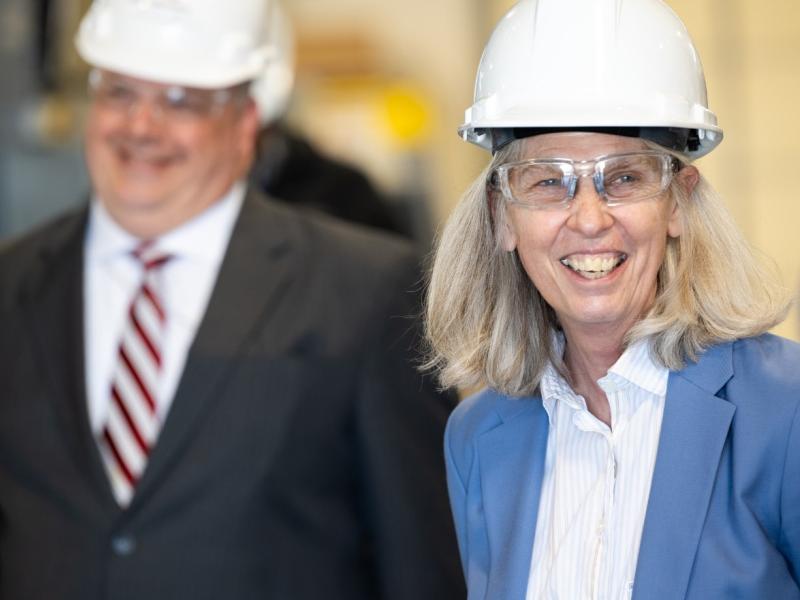
An energy expert and economist who has played a leading role in formulating and coordinating U.S. climate policy is the new director of the Joint Global Change Research Institute in College Park, Maryland.
At the GovAI Summit 2023, Ryan Eddy joined the Department of Homeland Security Science and Technology Directorate on a panel highlighting artificial intelligence impacts and opportunities in the field of emergency management.
The 50th anniversary of the Finnish Institute for Verification of the Chemical Weapons Convention was recently celebrated in Helsinki, Finland. PNNL's Jonathan Forman and Raul Aranzazu attended this international event.
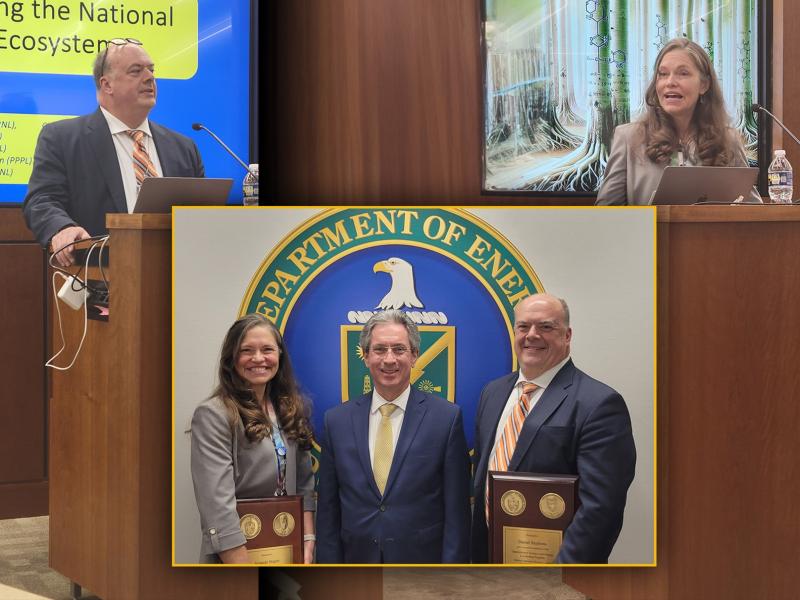
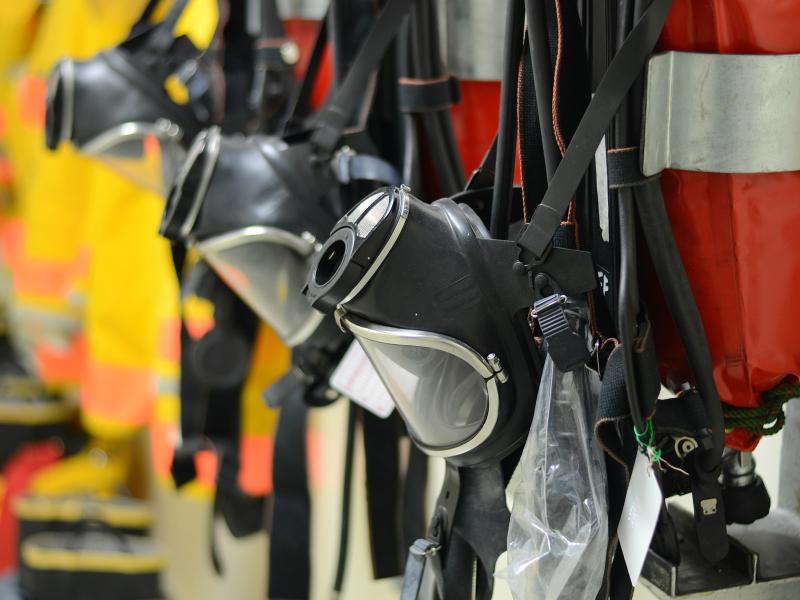
A team of researchers received an award for their contributions to improving the operational readiness and safety posture of the firefighter community by conducting a rigorous evaluation of commercially available equipment.
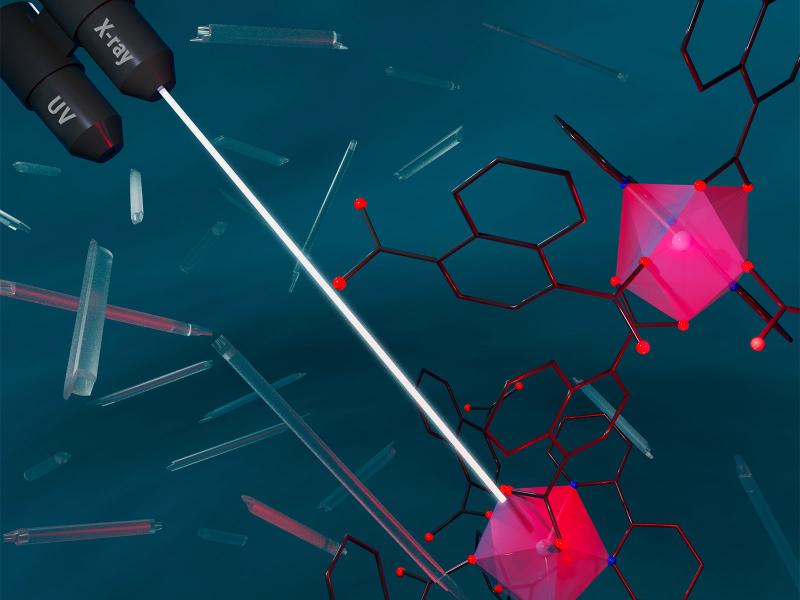
Making it on CrystEngComm’s HOT list, the article, “Designing scintillating coordination polymers using a dual-ligand synthetic approach,” highlights research on existing materials that are non-traditional scintillators.
PNNL has joined Gender Champions in Nuclear Policy, a leadership network that brings together leaders of organizations working in nuclear policy who are committed to breaking down gender barriers.
Researchers use models to represent relationships between climate and socio-economic processes, helping inform decisions for slowing climate change and enhancing resilience.
PNNL researchers helped design and conduct an international exercise hosted by the Ministry of Finance of Finland to help improve financial sector resilience.
Claudia Tebaldi, a PNNL Earth scientist, has been named a Fellow of the American Geophysical Union. Tebaldi and others will be recognized at AGU23 in December.
Madalina Man, an international compliance analyst, recently lent her legal expertise to an International Atomic Energy Agency International Physical Protection Advisory Service Mission in Zambia.
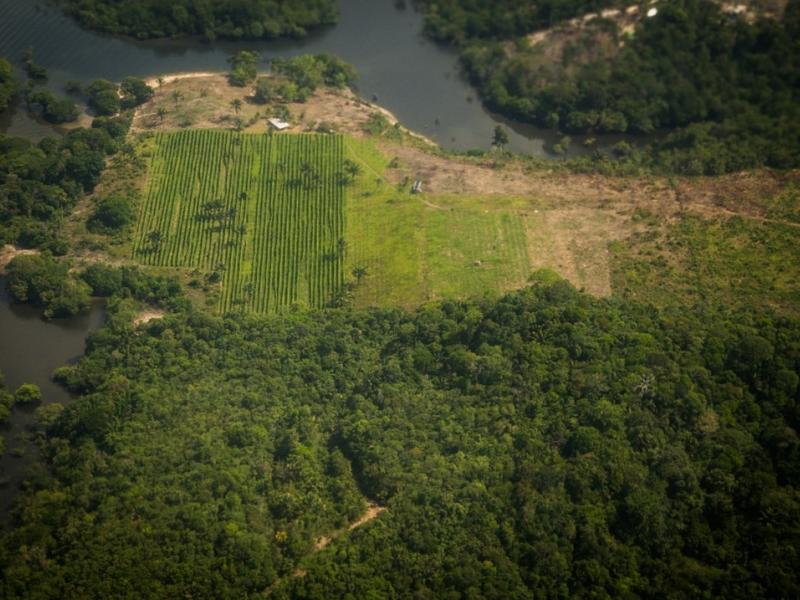
Variations in the level of market globalization can greatly affect the amount of water required to meet future global demand for agricultural commodities.