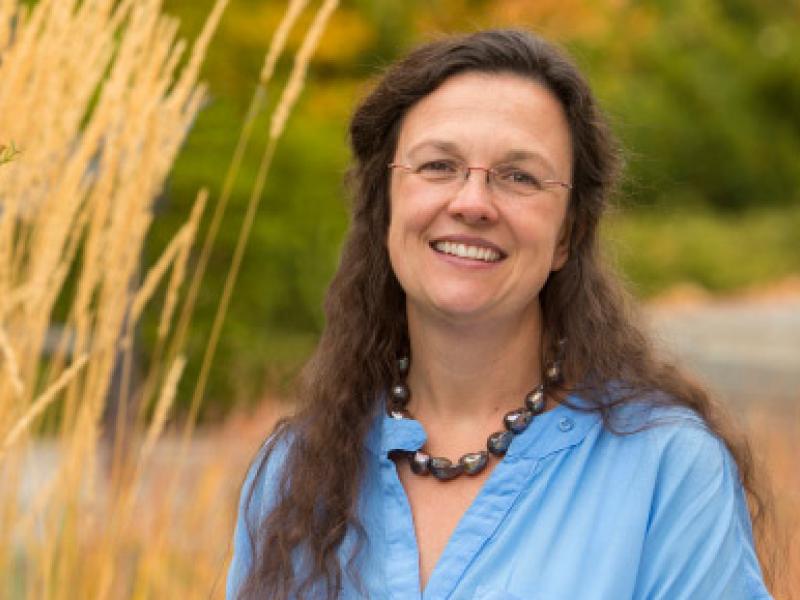
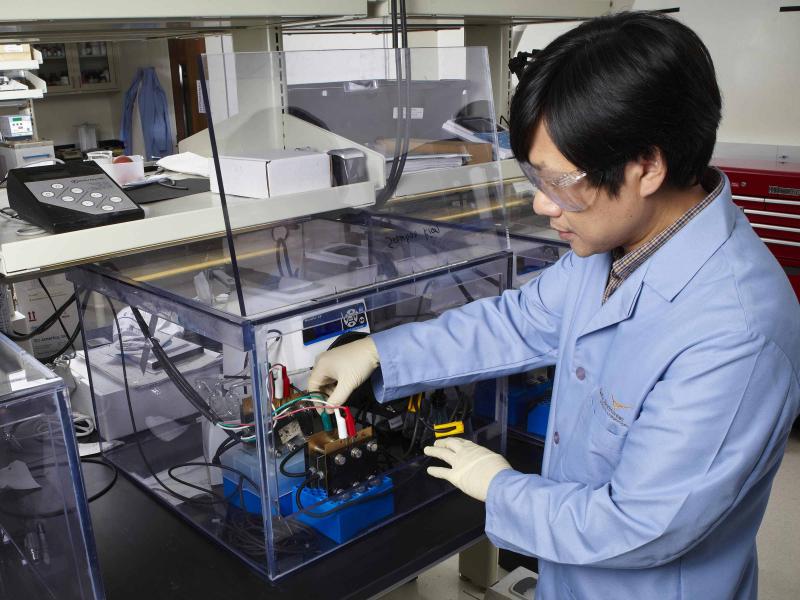
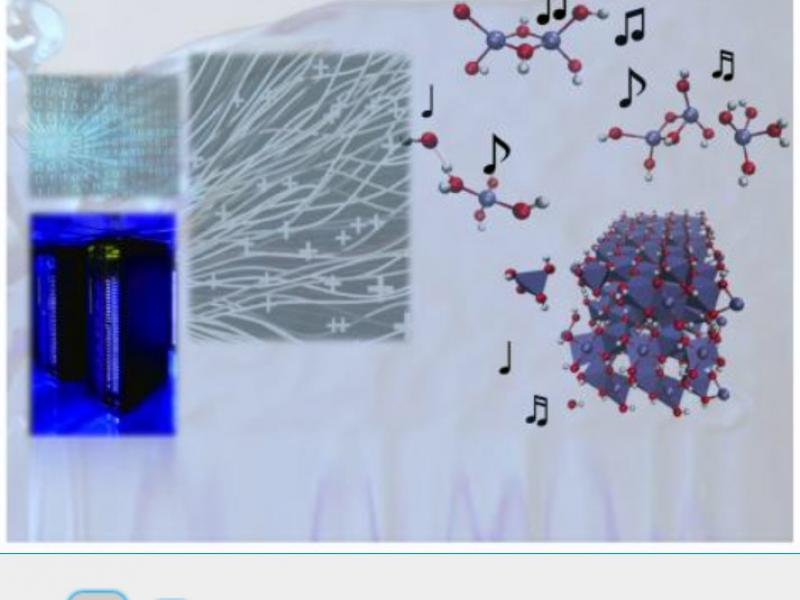
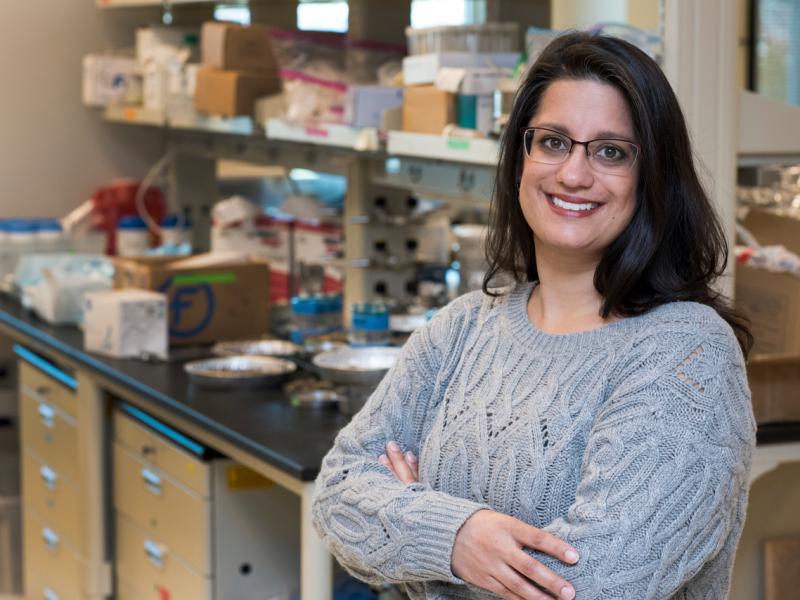
El-Khoury and Johnson are exploring the properties of extremely small structures that could, one day, change how we produce energy and manufacture chemicals.
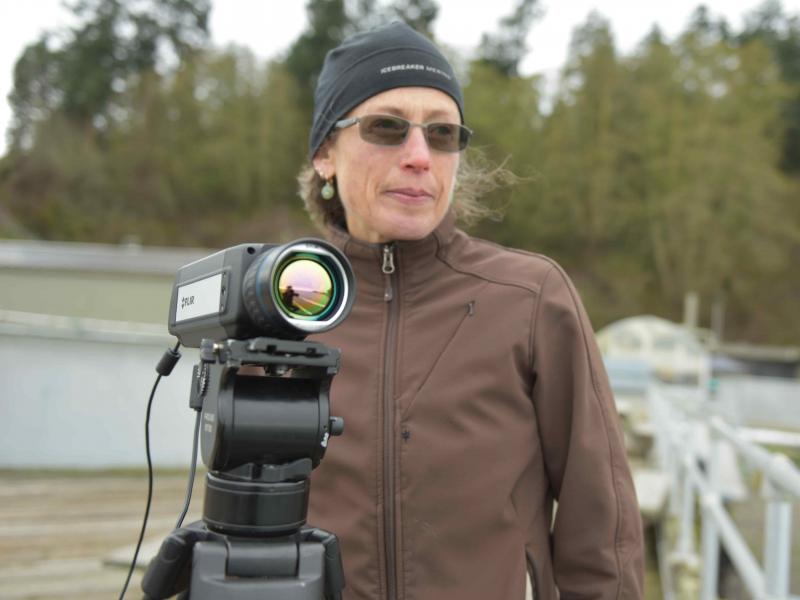
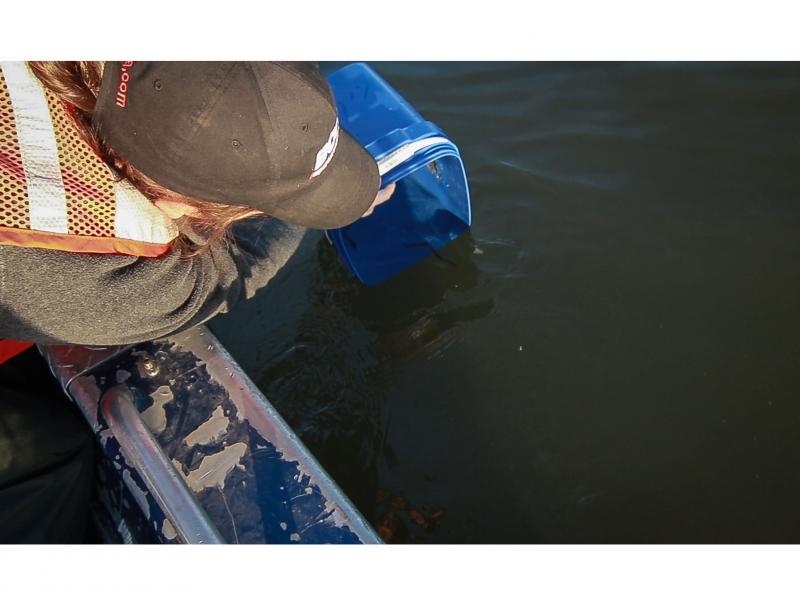
PNNL is studying the movement of lamprey fish, which are culturally and historically important to the Pacific Northwest, on rivers and through hydroelectric dams.
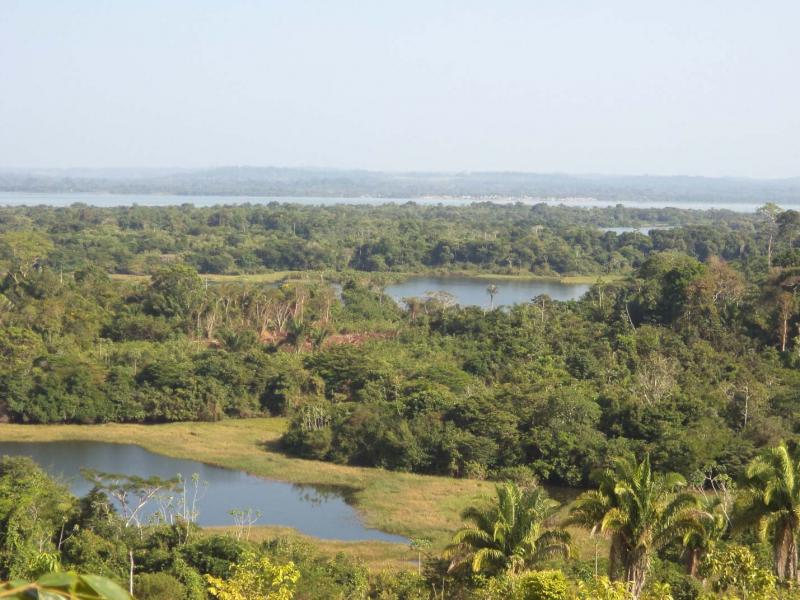
Emissions of isoprene, a compound from plant matter that wields great influence in the atmosphere, are up to three times higher in the Amazon rainforest than scientists have thought.
PNNL is world-renowned for its expertise in glass formulation and processing — knowledge that is instrumental to the work done in partnership with the DOE Office of River Protection to develop the vitrification process.
For the first time, researchers have measured the force that draws tiny crystals together and visualized how they swivel and align. Called van der Waals forces, the attraction provides insights into how crystals self-assemble, an activity t
PNNL research has created a unique video that shows oxygen bubbles inflating and later deflating inside a tiny lithium-air battery. The knowledge gained from the video could help make lithium-air batteries that are more compact, stable and