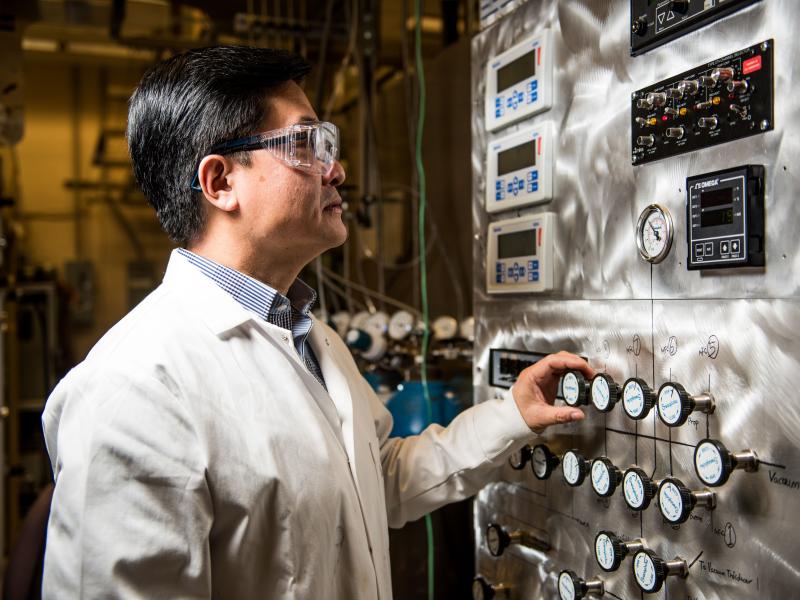
Yong Wang will lead the Institute for Integrated Catalysis, advancing the science and technology of catalysis to address global challenges in energy resilience.
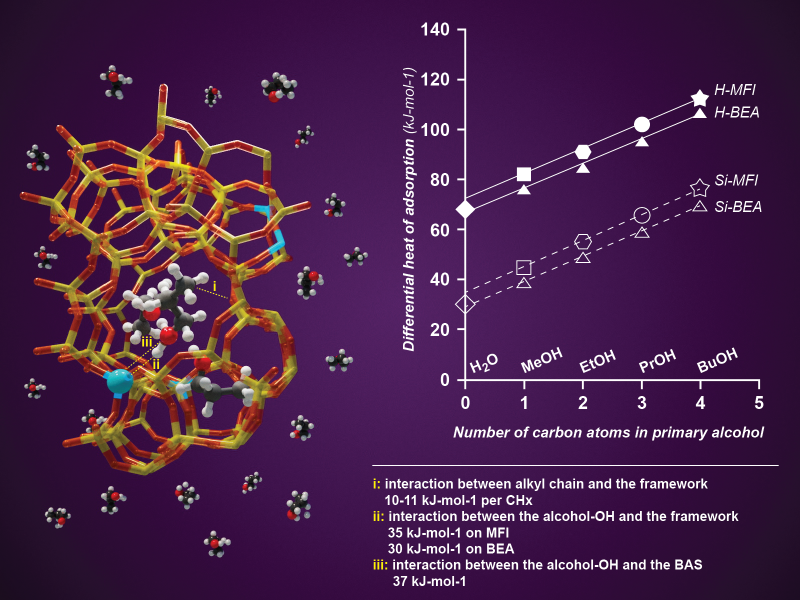
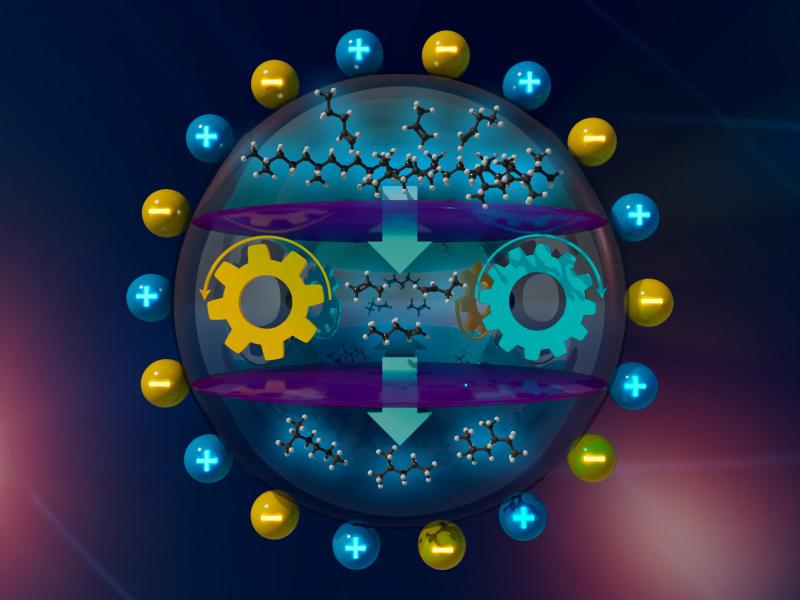
A comprehensive investigation provides quantitative data on the interaction between zeolite pores and linear alcohols, with hydroxyl group interactions playing the largest role.
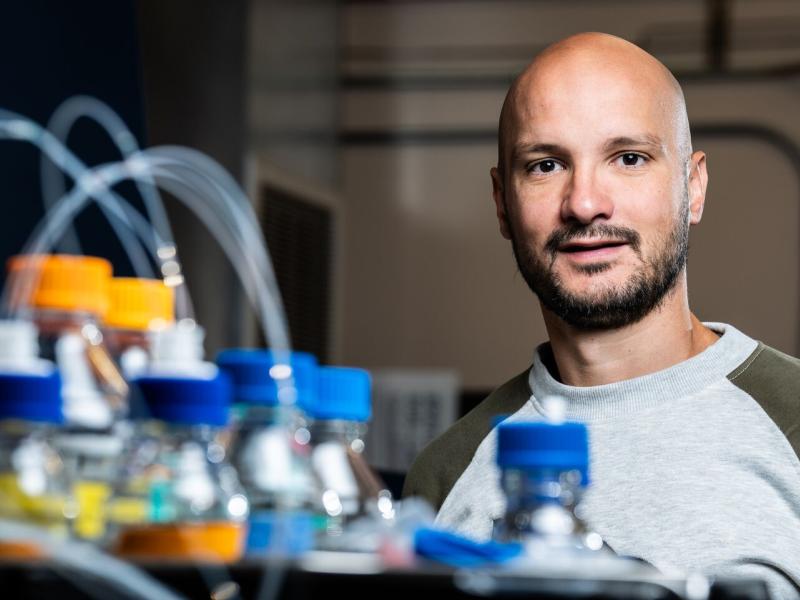
Dušan Veličković, a PNNL mass spectrometry imaging scientist received a $2.1 million grant to develop techniques to understand how changes in carbohydrate structure affect human health.
PNNL's “co-scientist” serves as a one-stop AI shop for accelerating scientific discovery. By leveraging AI agents, researchers can explore scientific databases, conduct analyses and request step-by-step plans for testing their hypotheses.
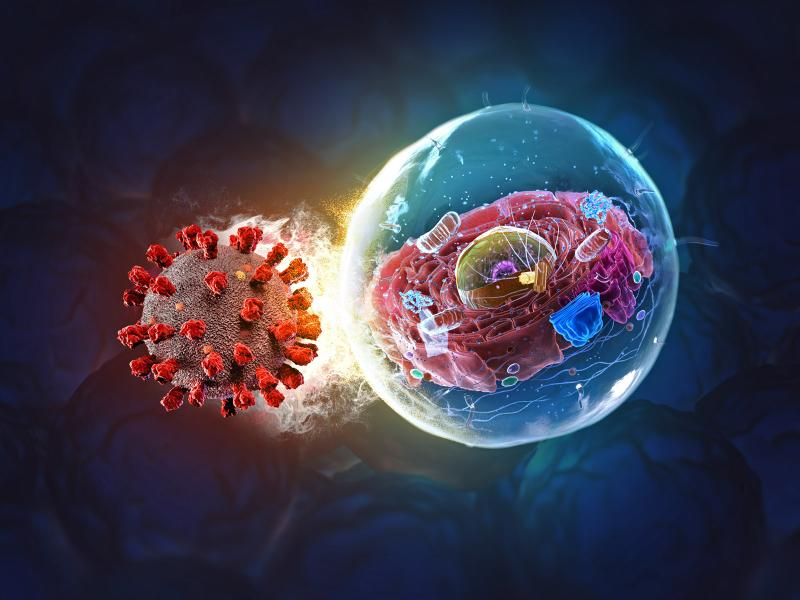
Over the next four years, PNNL and University of Arizona will develop open-source computational tools to better identify and characterize the viruses associated with the human microbiome.
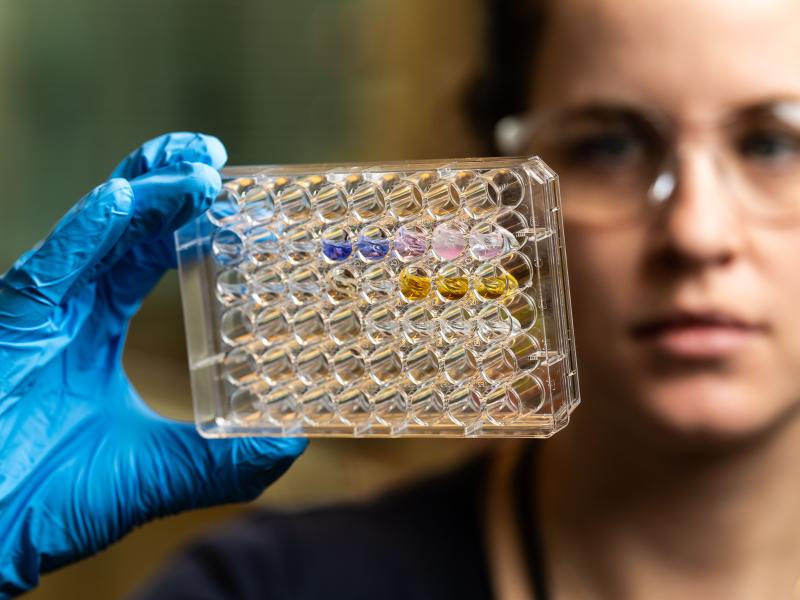
Researchers developed a robust, cost-effective, and easy-to-use cap-based technique for spatial proteome mapping, addressing the lack of accessible proteomics technologies for studying tissue heterogeneity and microenvironments.
PNNL and one of the world’s largest tire makers will work to develop a commercially viable process that converts ethanol derived from sustainable sources or waste, like recycled tires, to butadiene, synthetic rubber’s main ingredient.