A modeling study shows that adding batteries to a dam could decrease the wear and tear on hydropower turbines and open up new opportunities for dam operators to earn revenue.
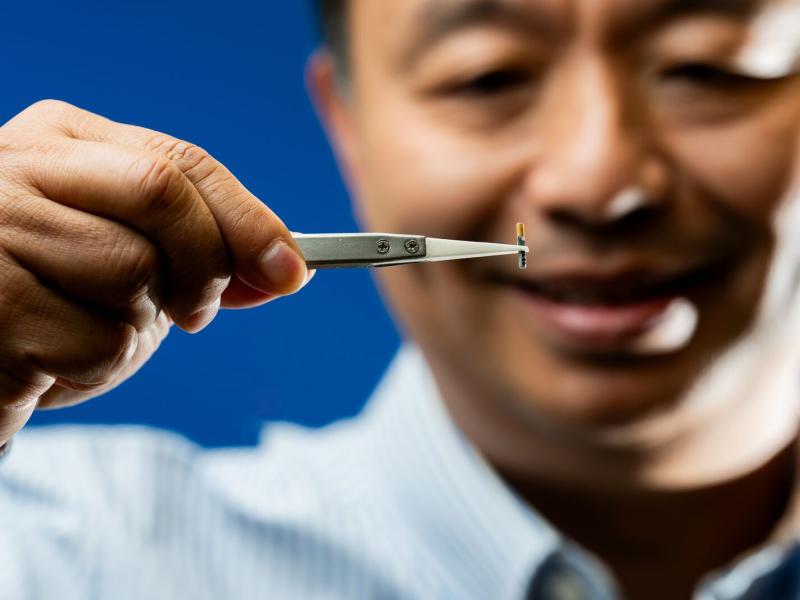
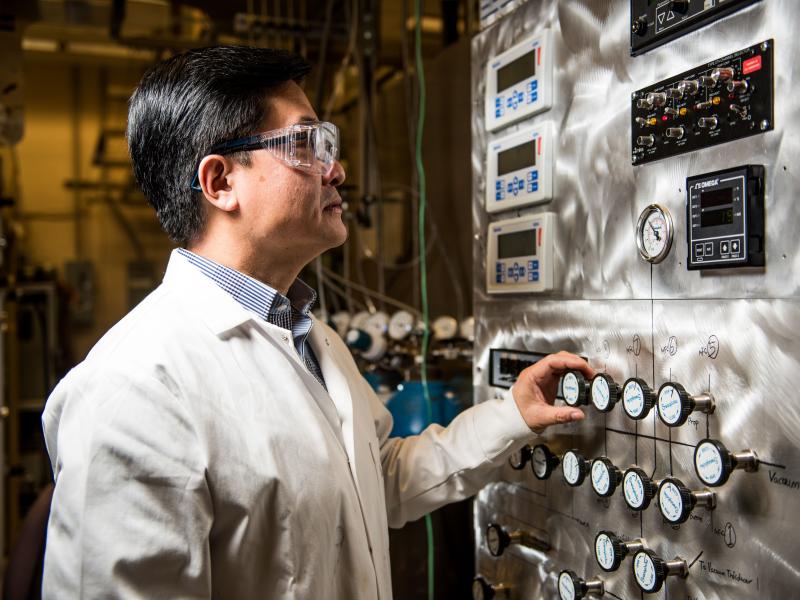
Yong Wang will lead the Institute for Integrated Catalysis, advancing the science and technology of catalysis to address global challenges in energy resilience.
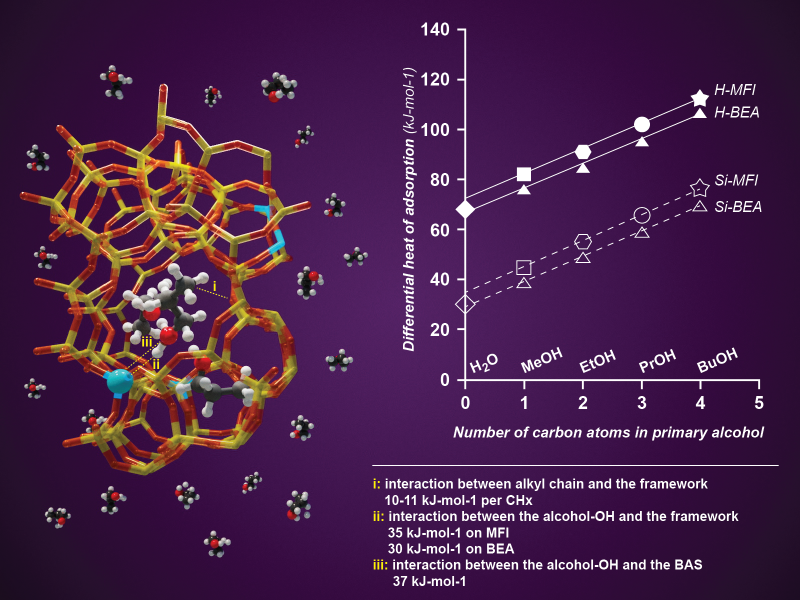
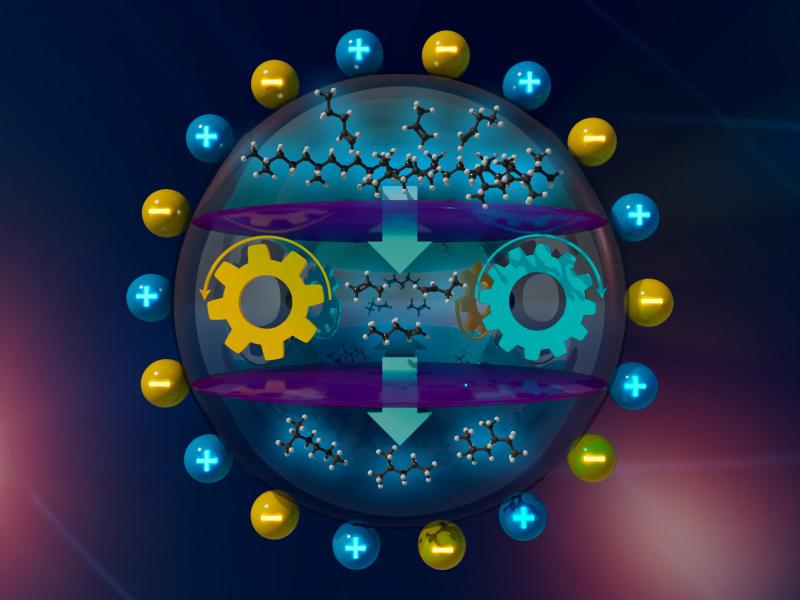
A comprehensive investigation provides quantitative data on the interaction between zeolite pores and linear alcohols, with hydroxyl group interactions playing the largest role.
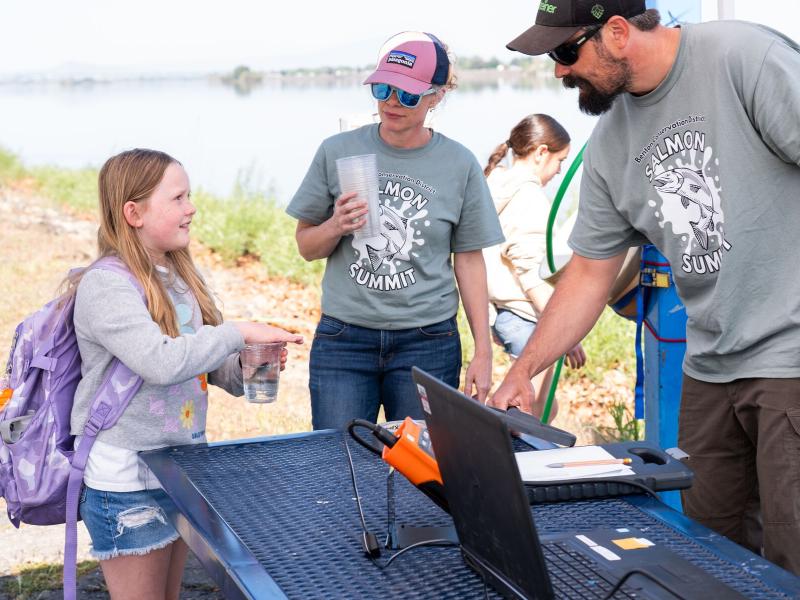
Zhiqun (Daniel) Deng, Lab Fellow at PNNL, has been named a fellow of the American Society of Mechanical Engineers, an honor that recognizes outstanding engineering achievements.
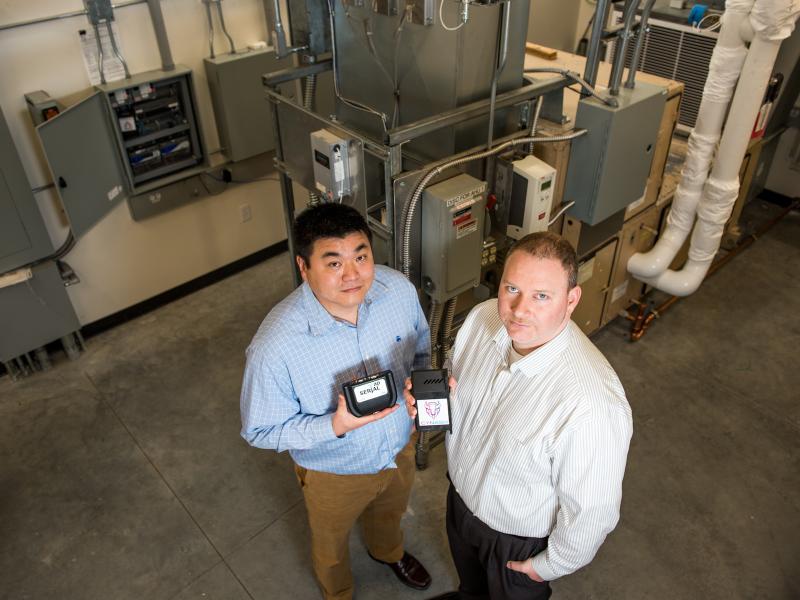
PNNL’s science and technology helps hydropower operators detect, prevent and recover from cyberattacks while protecting a source of electricity that enhances grid reliability and resilience.
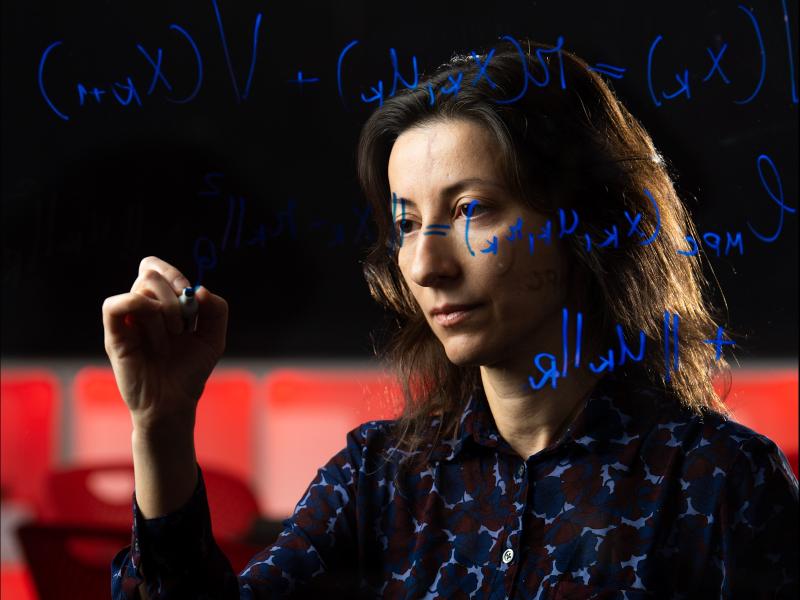
PNNL's “co-scientist” serves as a one-stop AI shop for accelerating scientific discovery. By leveraging AI agents, researchers can explore scientific databases, conduct analyses and request step-by-step plans for testing their hypotheses.
PNNL and one of the world’s largest tire makers will work to develop a commercially viable process that converts ethanol derived from sustainable sources or waste, like recycled tires, to butadiene, synthetic rubber’s main ingredient.
A new analysis shows how renewable energy sources like solar, wind and hydropower respond to climate patterns, and how utilities can use this data to save money and invest in energy storage.