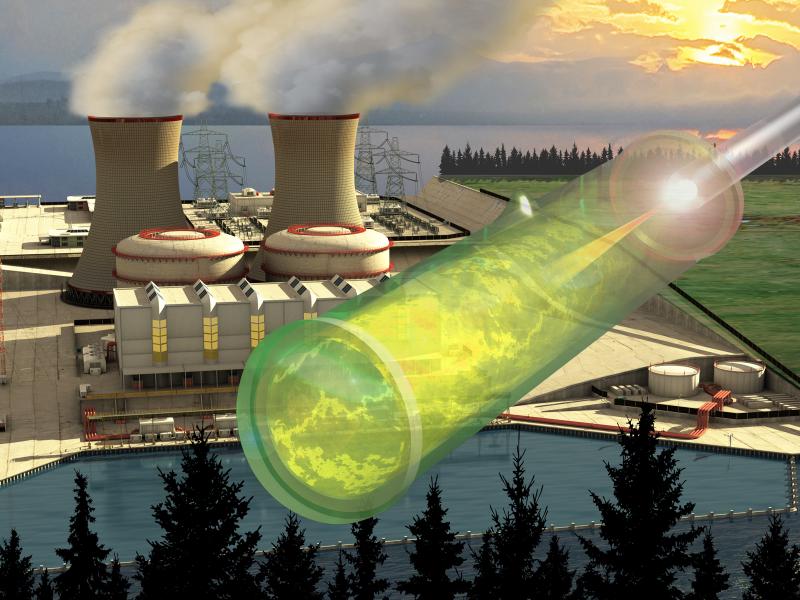
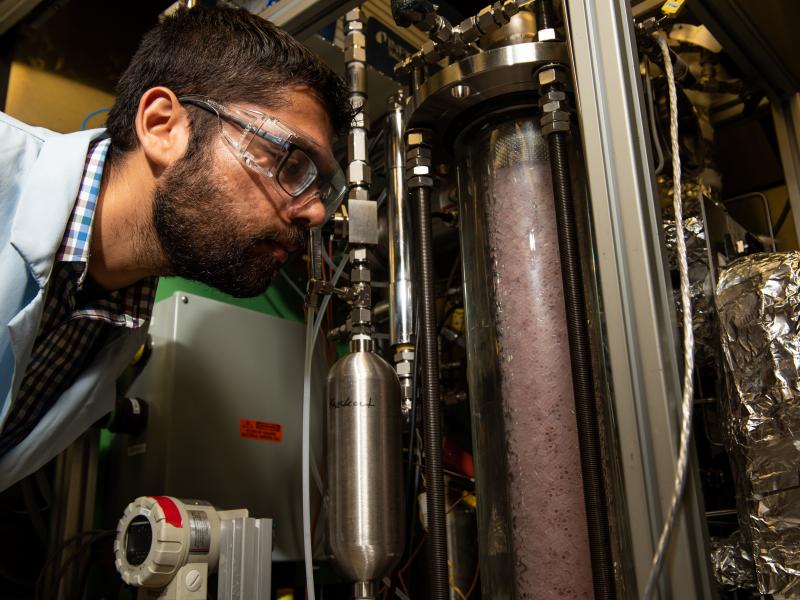
Innovative technology combines continuous, remote, real-time testing and monitoring of byproduct gasses, paving the way for faster advanced reactor development and testing.
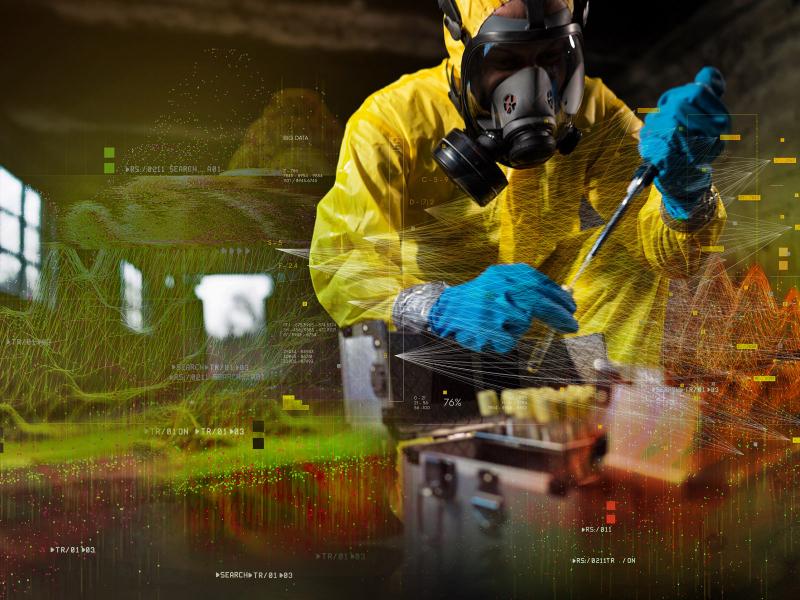
Fifty-eight PNNL staff members were recognized as members of enterprise-wide teams that helped address challenges in national health and security through transformative science and technology solutions.
As he prepares to enter PNNL's Energy Sciences Center later this year, Vijayakumar 'Vijay' Murugesan is among DOE leaders exploring solutions to design and build transformative materials for batteries of the future.
New 140,000-square-foot facility will advance fundamental chemistry and materials science for higher-performing, cost-effective catalysts and batteries, and other energy efficiency technologies.
PNNL radiochemist and research manager Patricia Paviet named National Technical Director for the Molten Salt Reactor (MSR) Program by the U.S. Department of Energy’s Office of Nuclear Energy.
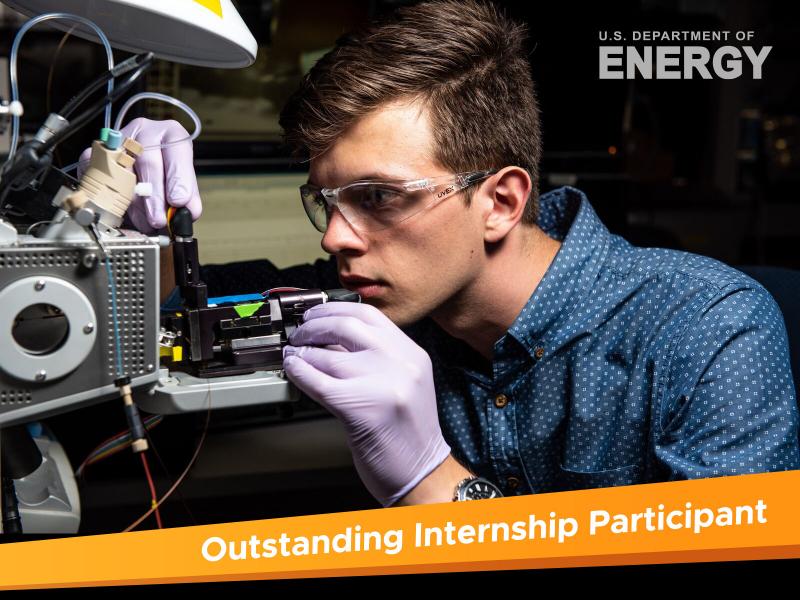
Former PNNL intern Michael Hewitt was recognized by DOE as an Outstanding Intern for the research he performed alongside PNNL physical chemist Dr. Grant Johnson.
PNNL catalysis experts Oliver Y. Gutierrez and Jamie Holladay, along with a colleague from The City College of New York, led a special issue of the Journal of Applied Electrochemistry.
The American Chemical Society's Energy & Fuels Division elected PNNL scientist Yuyan Shao as Chair-Elect for 2021 and scientist Dave Heldebrant as Director-at-Large.
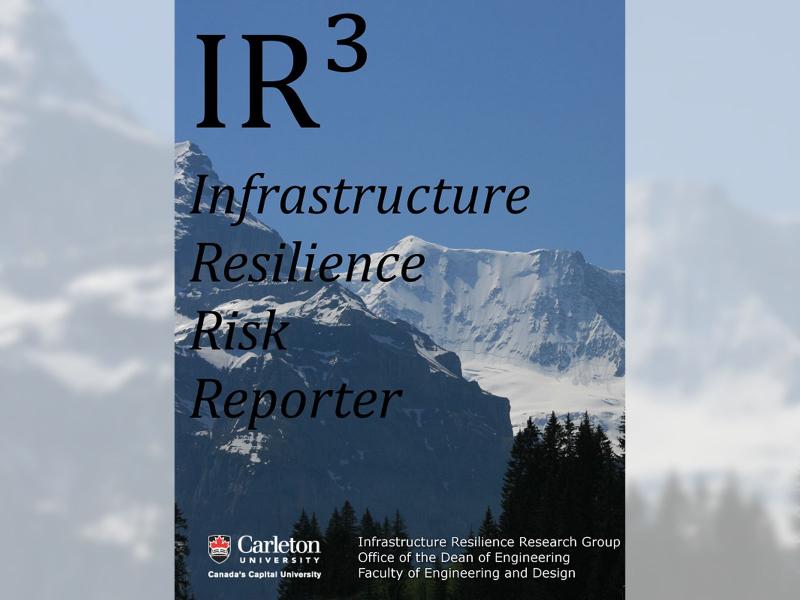
A recent edition of the Infrastructure Resilience Research Group Journal featured an article written by PNNL researchers Rob Siefken and Jake Burns about “Design Basis Threat and the Low Threat Environment.”
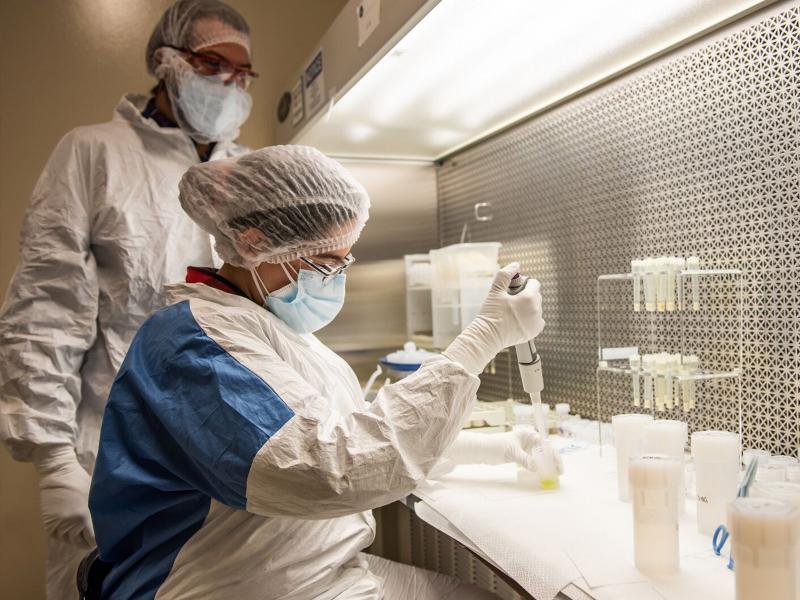
As a physicist at PNNL, Jon Burnett’s work is about developing instruments to detect ultra-trace radionuclide signatures, analyze samples from around the world to look for evidence of nuclear explosions, and then interpret that information.
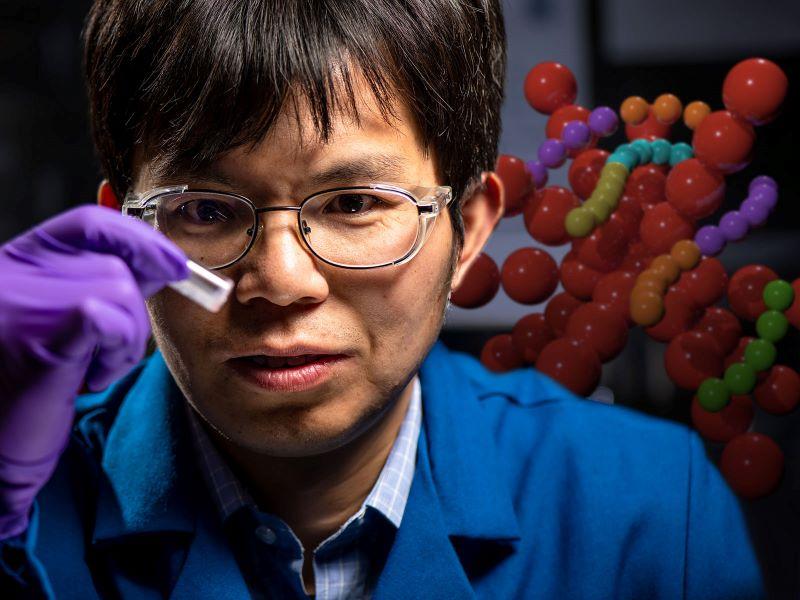
A new review paper led by senior research scientist Chun-Long Chen and featured on the cover of Accounts of Chemical Research summarizes advances by PNNL scientists in developing sequence-defined peptoids.
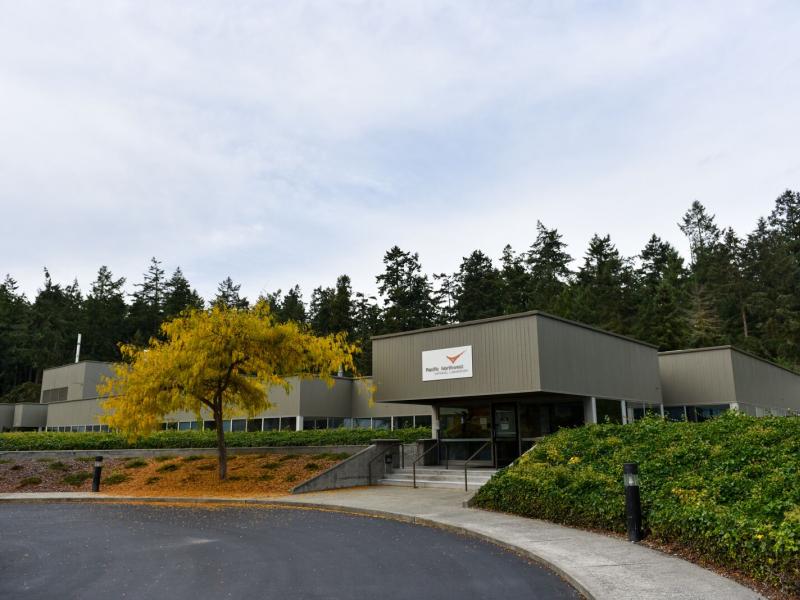
The Marine and Coastal Research Laboratory (MCRL), part of PNNL, in Sequim, Washington, is the U.S. Department of Energy’s only marine research facility. It has a rich history and expanding research scope.