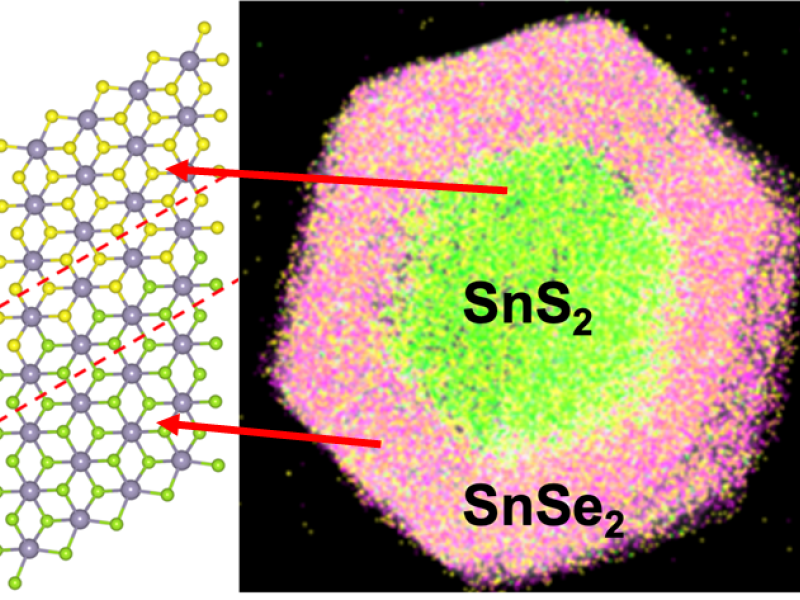
Jingshan Du, a postdoctoral scientist at PNNL whose research focuses on crystallization pathways of water and other materials, was named a 2025 CAS Future Leader.
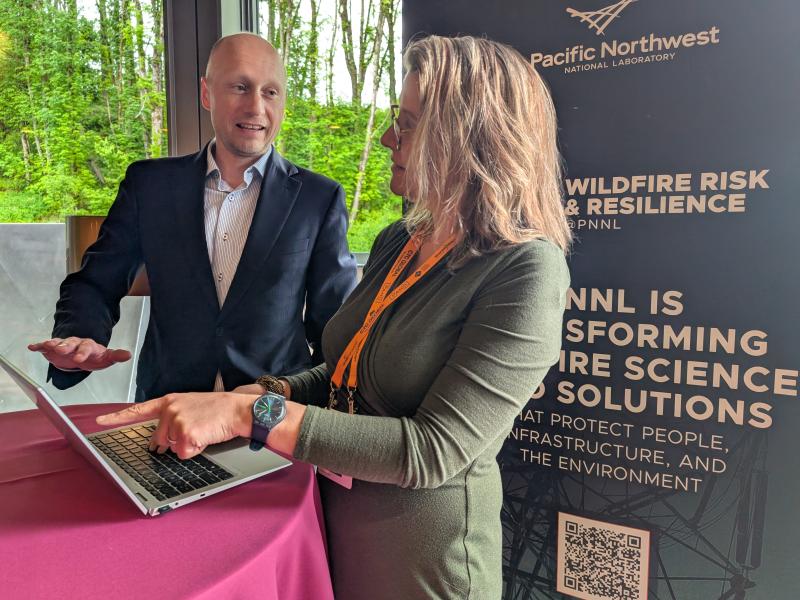
The ARPA-E Energy Innovation Summit brings together researchers, industry leaders, entrepreneurs, and investors to showcase the latest technologies shaping tomorrow’s energy landscape. This year, eight projects led by PNNL were featured.
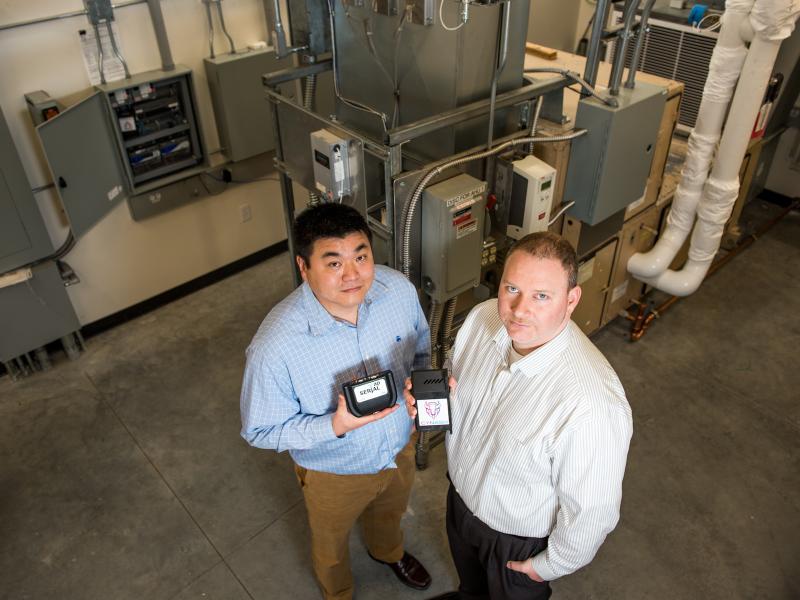
PNNL’s Matt Paiss heads NFPA 800, shaping a unified battery safety code for hazards from production to disposal with the aim of safeguarding communities and guiding safe practices worldwide.
Backed by $75,000 in Department of Energy funding from the Office of Electricity, a PNNL researcher works to refine solid-state sodium batteries for the grid.
Chemist Wendy Shaw, a nationally recognized scientific leader, has been chosen to serve as the associate laboratory director for PNNL's Physical and Computational Sciences Directorate.
Machine learning and autonomous experimentation are poised to revolutionize how scientists grow very thin films on surfaces, important for technologies like microelectronics and quantum computing.
Chemist Zheming Wang is the newest AAAS Fellow, joining the ranks of astronaut Mae Jemison, and Steven Chu, 1997 Nobel laureate in physics who served as the 12th U.S. Secretary of Energy.
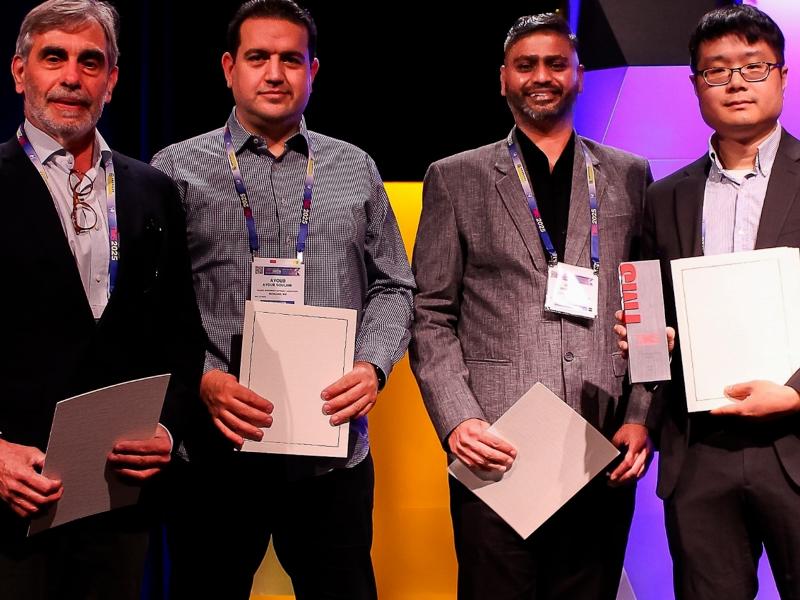
Three PNNL technologies have been declared winners of 2025 Federal Laboratory Consortium Awards, named for a program that recognizes federal laboratories and their industry partners for outstanding technology transfer achievements.
For PNNL’s Jonathan Evarts, Hope Lackey, and Erik Reinhart, this partnership with WSU opened doors and provided opportunities for their scientific careers to flourish.
By combining computational modeling with experimental research, scientists identified a promising composition that reduces the need for a critical material in an alloy that can withstand extreme environments.
The environmentally friendly, streamlined solution for recovering valuable minerals from “e-waste” is also faster and more economical than conventional approaches—opening new doors to recycling materials from old devices.
The Generator Scorecard, developed by PNNL in partnership with BPA, automates generator evaluations, reducing engineering workloads and improving grid reliability.