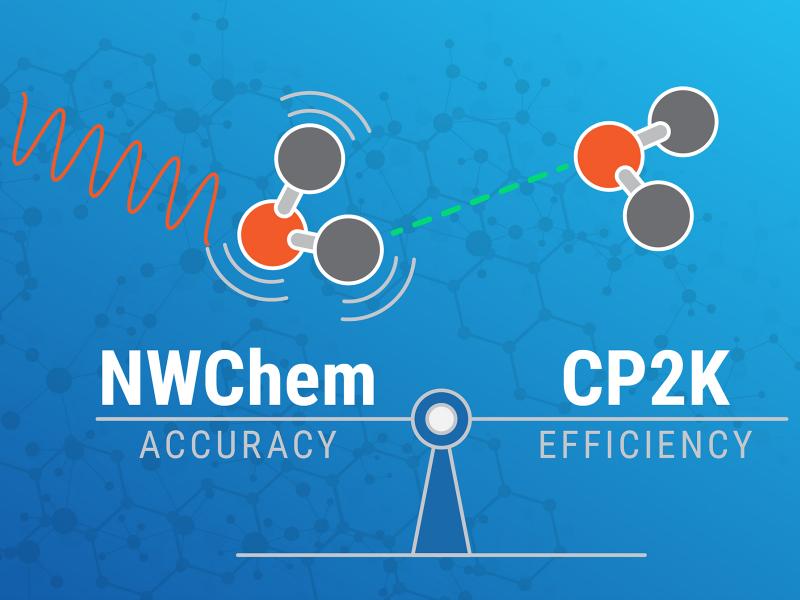
Pacific Northwest National Laboratory researchers developed a graphical processing unit (GPU)-centered quantum computer simulator that can be 10 times faster than any other quantum computer simulator.
Infusing data science and artificial intelligence into electron microscopy could advance energy storage, quantum information science, and materials design.
Radiation from natural sources in the environment can limit the performance of superconducting quantum bits, known as qubits. The discovery has implications for quantum computing and for the search for dark matter.
A cadre of physical scientists, engineers and computing experts at Pacific Northwest National Laboratory is poised to participate in the launch of three new DOE Office of Science-sponsored quantum information science research centers.
Twelve energy-related technologies developed at PNNL have been selected for additional technology maturation funding to help move them from the laboratory and field tests to the marketplace.
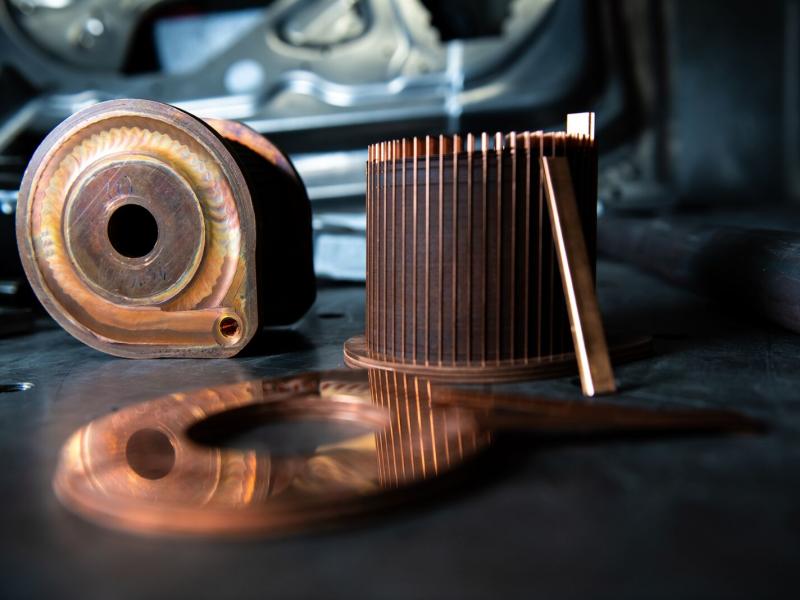
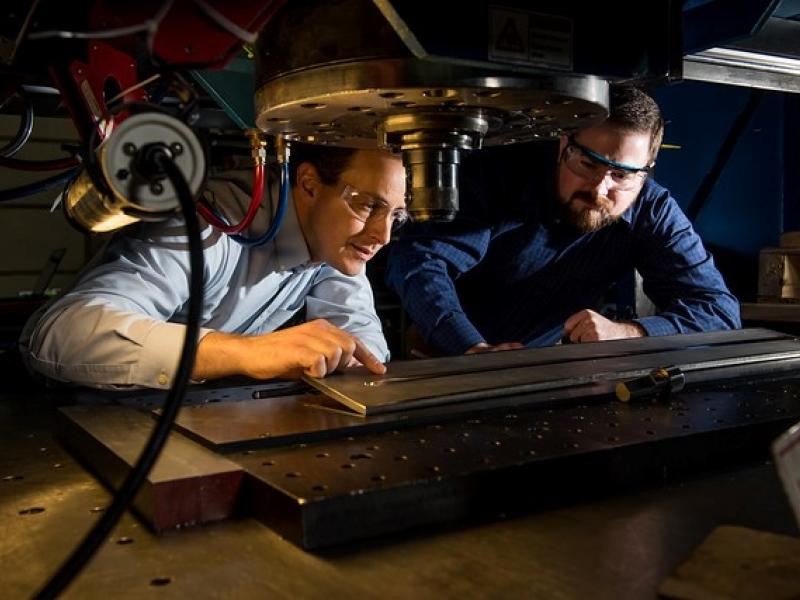
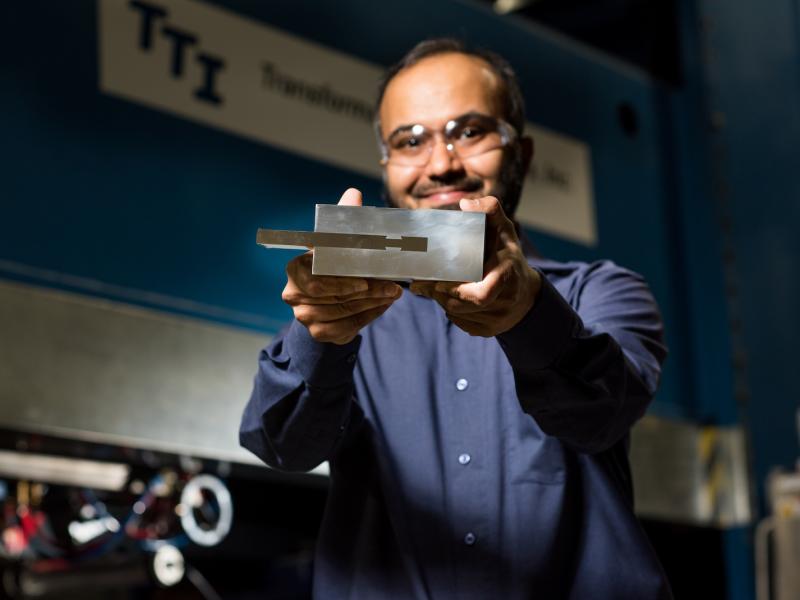
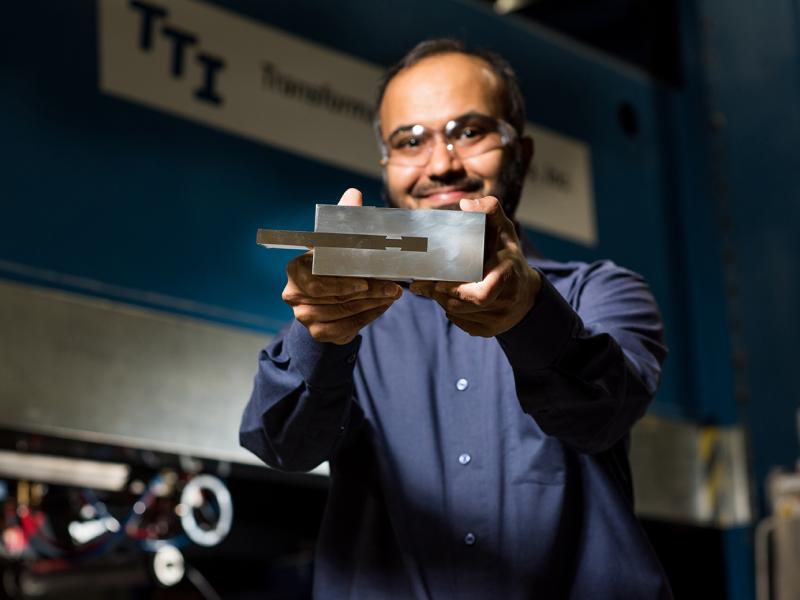
Superman may be known as the "Man of Steel," but scientific superheroes at the Department of Energy's Pacific Northwest National Laboratory are developing a novel approach for manufacturing metals with superior strength.
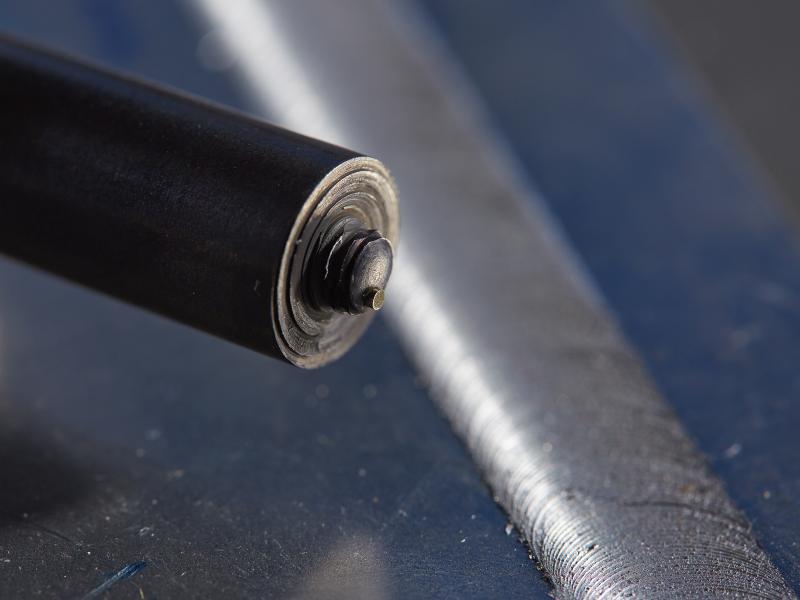
A PNNL study that evaluated the use of friction stir technology on stainless steel has shown that the steel resists erosion more than three times that of its unprocessed counterpart.
PNNL is advancing scientific frontiers and addressing challenges in energy, the environment and national security. So, in no particular order, here are PNNL's top 10 research accomplishments of 2018