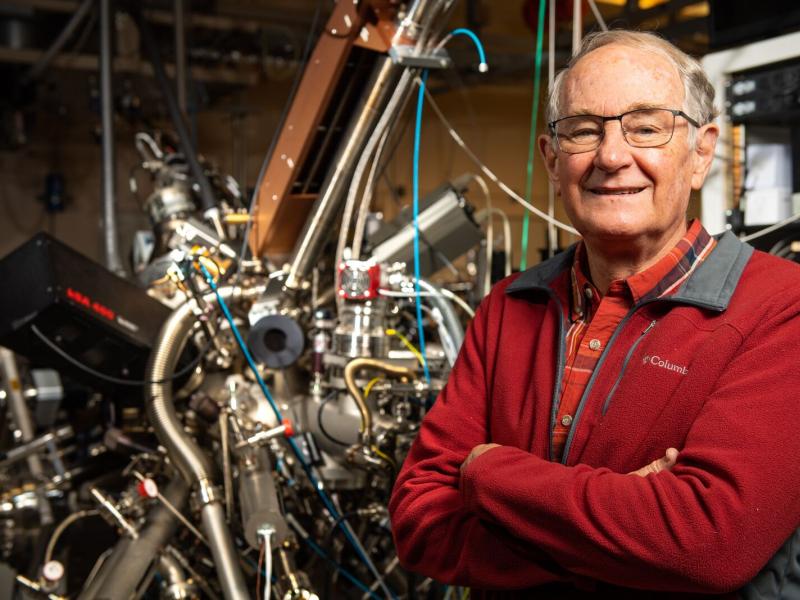
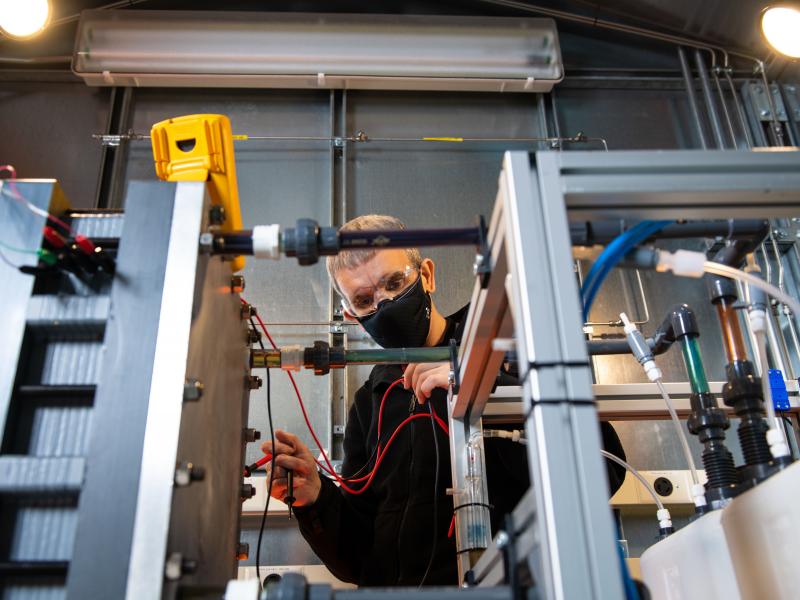
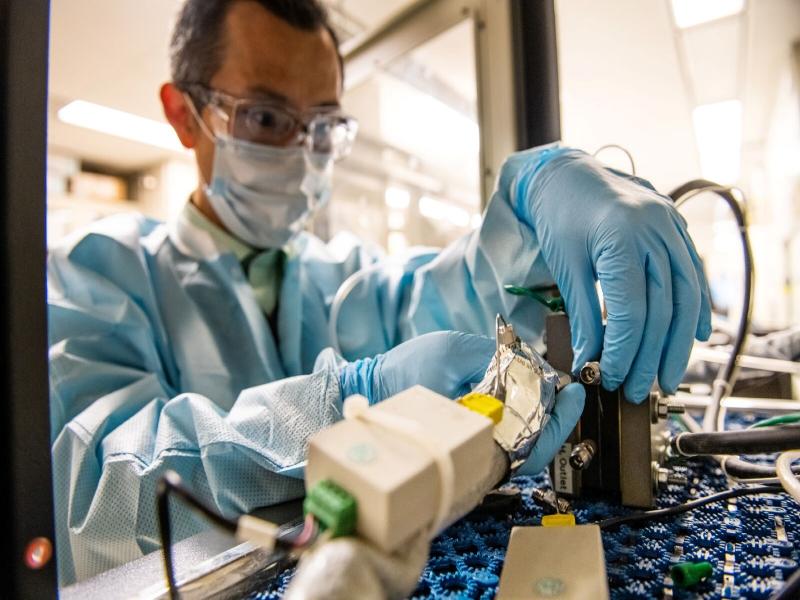
Scott Chambers creates layered structures of thin metal oxide films and studies their properties, creating materials not found in nature. He will soon move his instrumentation and research to the new Energy Sciences Center.
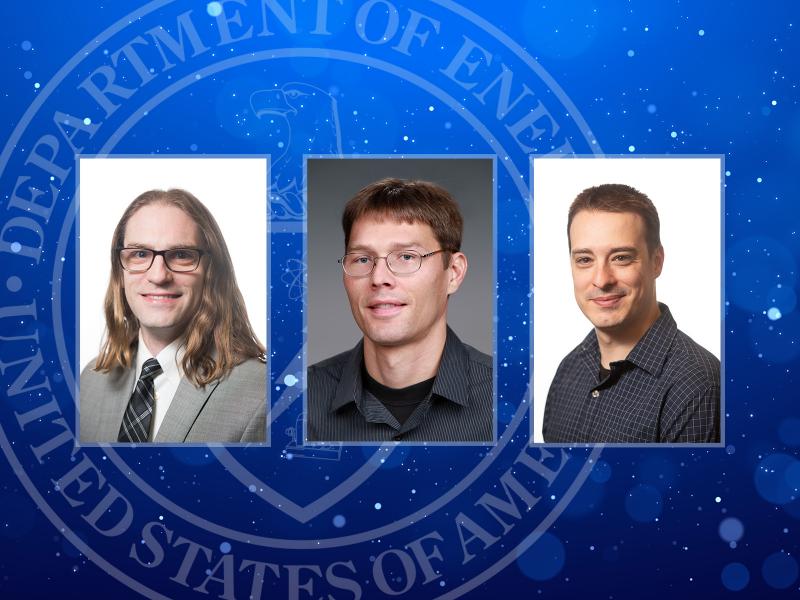
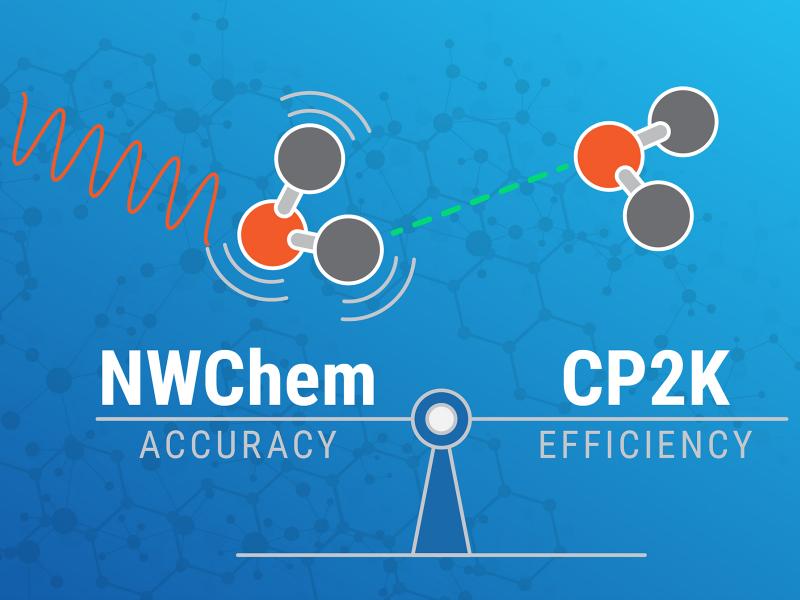
The U.S. Department of Energy has selected the Scalable Predictive Methods for Excitations and Correlated Phenomena project to receive funding to develop software for chemical research.
PNNL’s new Hydrogen Energy Storage Evaluation Tool allows users to examine multiple energy delivery pathways and grid applications to maximize benefits.
The DOE Early Career Research Program supports exceptional researchers during the crucial early years of their careers and helps advance scientific discovery in fundamental sciences
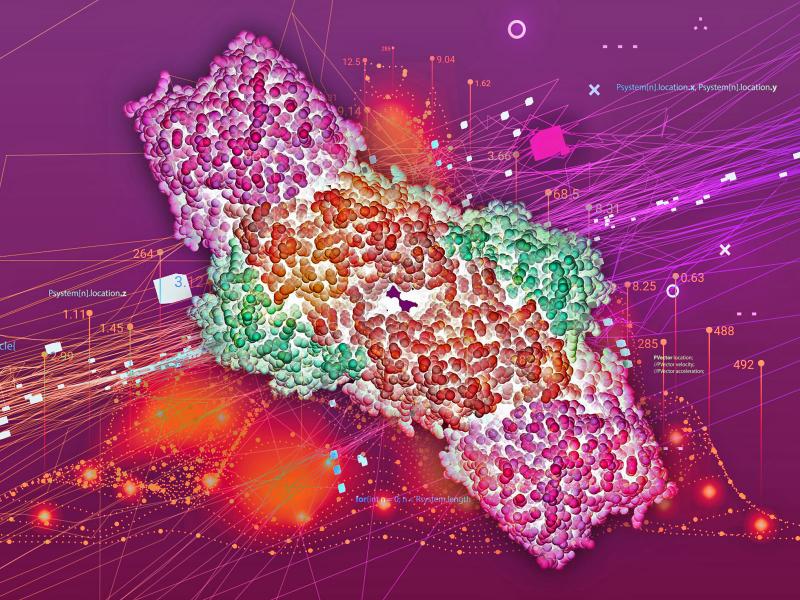
With quantum chemistry, researchers led by PNNL computational scientist Simone Raugei are discovering how enzymes such as nitrogenase serve as natural catalysts that efficiently break apart molecular bonds to control energy and matter.
PNNL teamed with academia and industry to develop a novel zero-emission methane pyrolysis process that produces both hydrogen and high-value carbon solids suitable for an array of manufacturing applications.
New facility that will accelerate energy storage innovation and make the nation’s power grid more resilient, secure and flexible has been given the green light to proceed by the U.S. Department of Energy.
New 140,000-square-foot facility will advance fundamental chemistry and materials science for higher-performing, cost-effective catalysts and batteries, and other energy efficiency technologies.
PNNL led a multi-institutional effort to design a highly active and more durable catalyst made from cobalt, which sets the foundation for fuel cells to power transportation, stationary and backup power, and more.