PNNL was invited to participate on an expert panel with scientists, law enforcement officials, addiction experts, public health officials, and families.
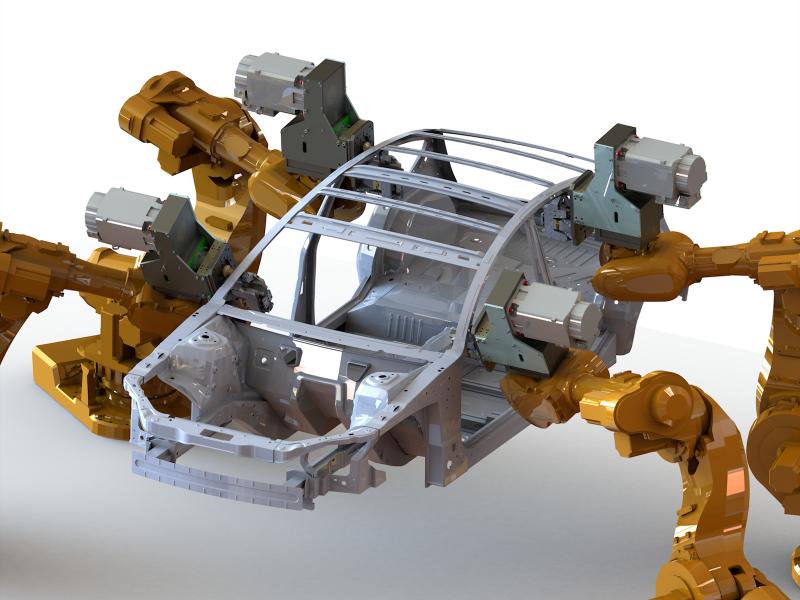
A breakthrough at PNNL could free friction stir from current constraints—and open the door for increased use of the advanced manufacturing technique on commercial assembly lines.
By combining computational modeling with experimental research, scientists identified a promising composition that reduces the need for a critical material in an alloy that can withstand extreme environments.
PNNL researchers have developed a new, physics-informed machine learning model that accurately predicts how heat accumulates and dissipates during friction stir processing.
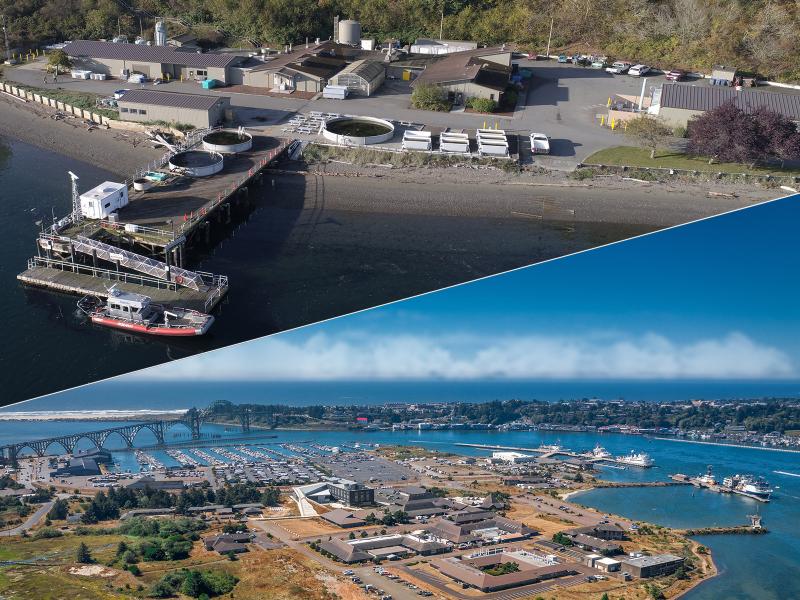
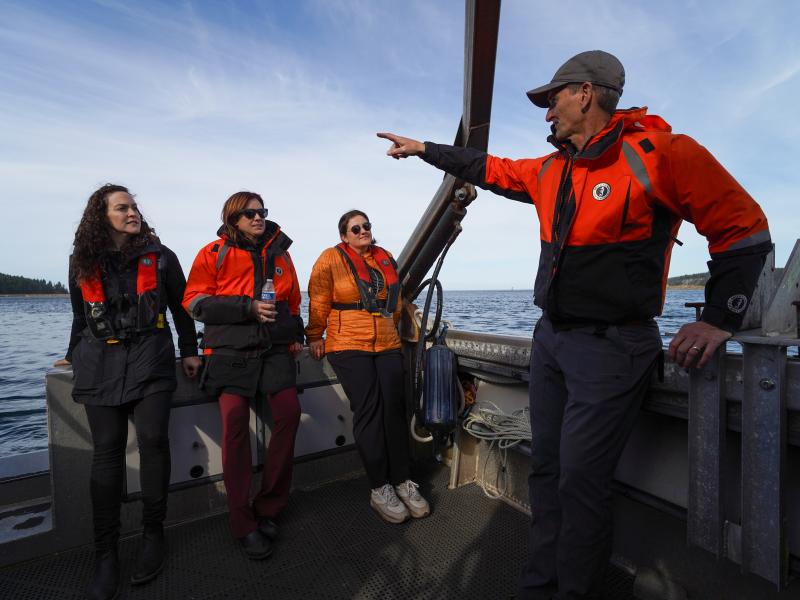
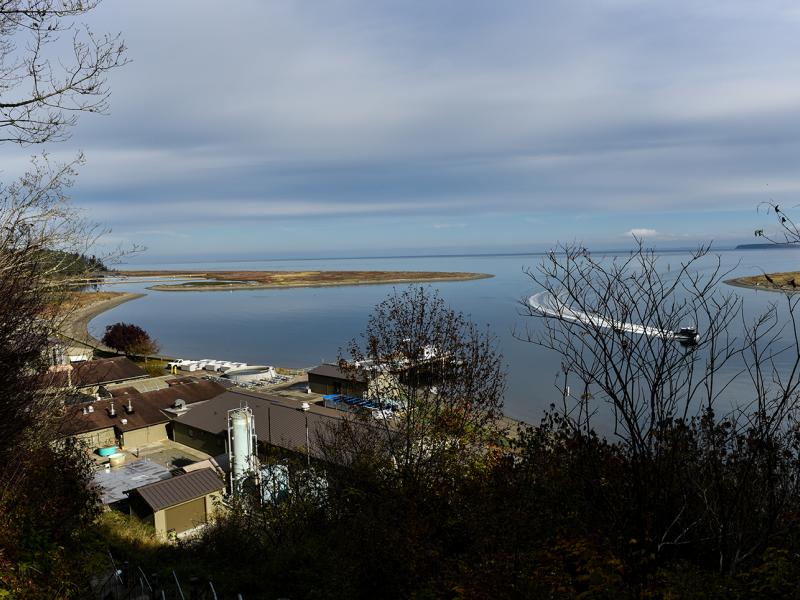
The first tidal turbine deployed in the Pacific Northwest at PNNL-Sequim showcases the Lab’s growing role as a regional center for marine energy research.
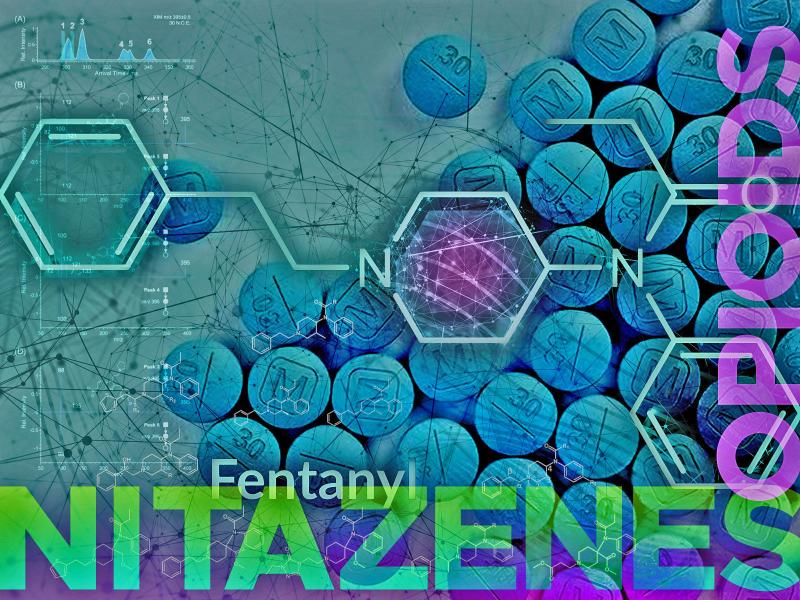
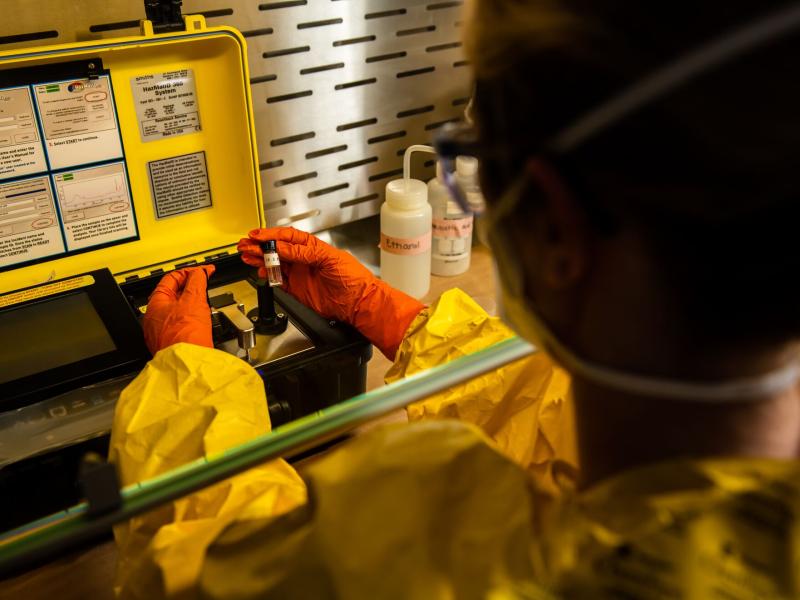
In the latest issue of the Domestic Preparedness Journal, Ashley Bradley and Kristin Omberg share how new research is shedding light on the scientific and technological challenges with detecting fentanyl.
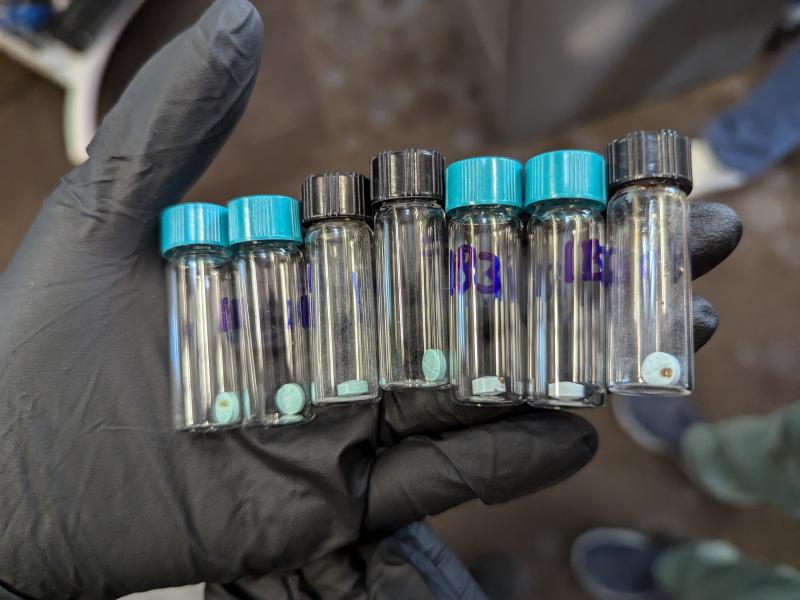
A new report highlights the results of an assessment PNNL conducted of field-portable detection products used by first responders to detect illicit substances like fentanyl in the field.
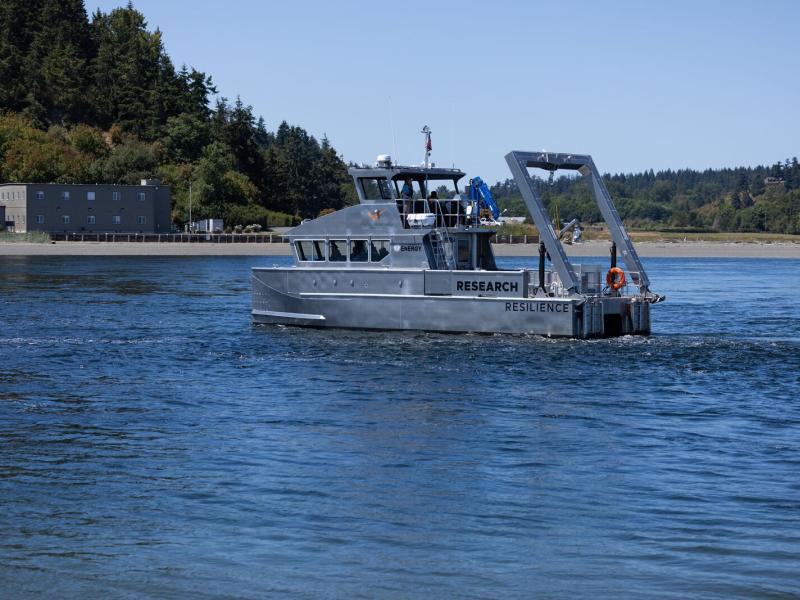
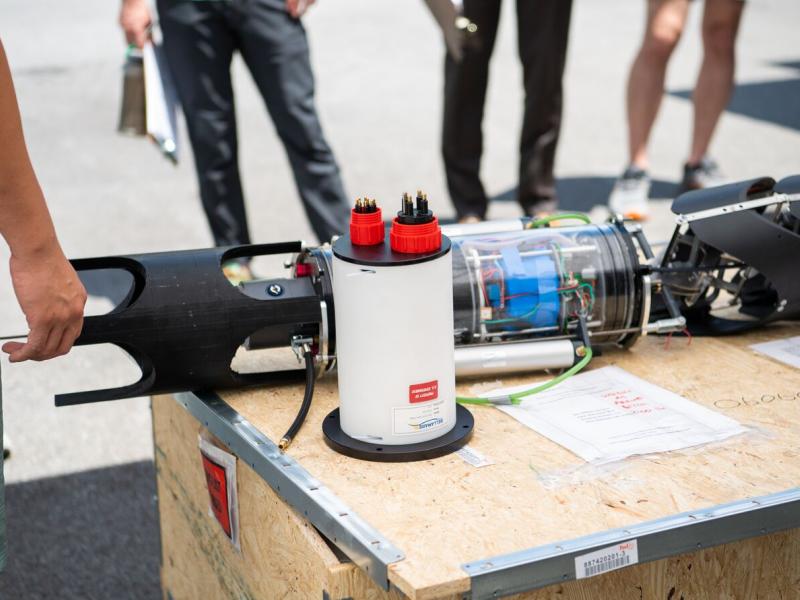
PNNL researchers developed the dummy payload to evaluate the performance of marine energy device prototypes in the Powering the Blue Economy: Ocean Observing Prize Competition.
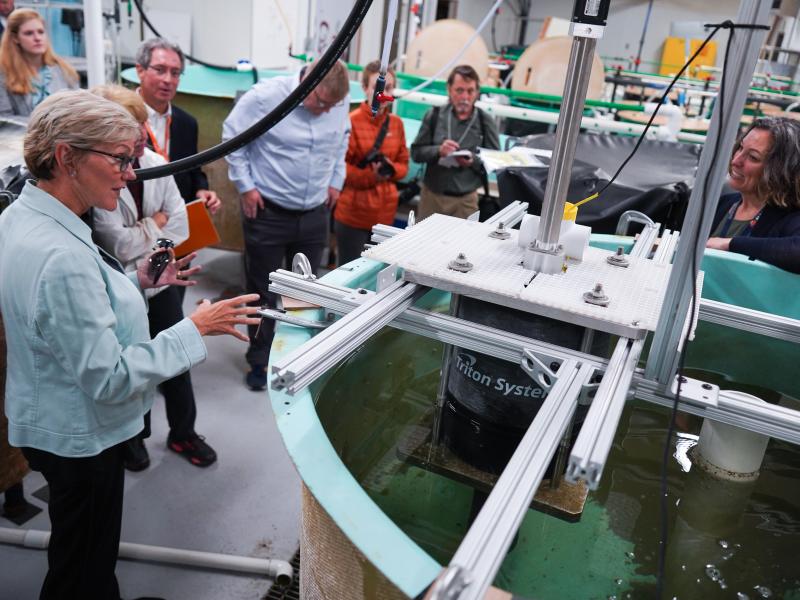
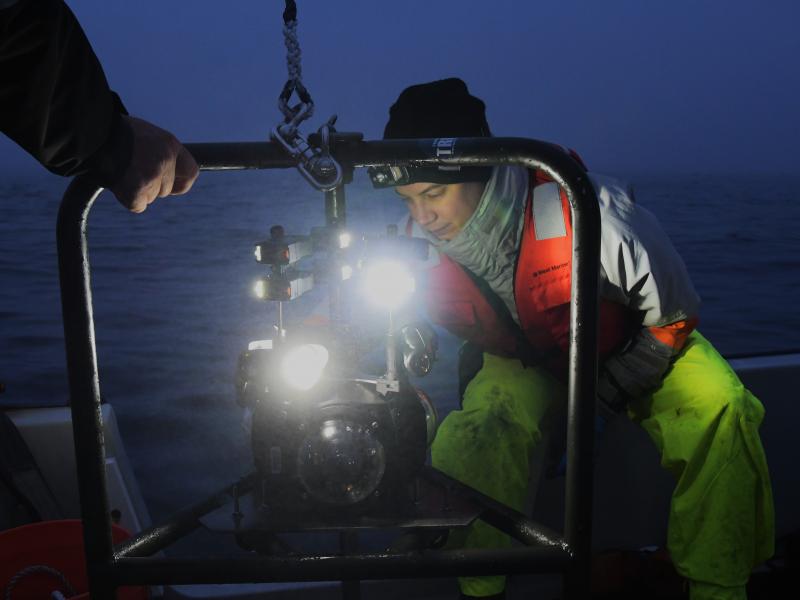
The Triton Initative discusses special issue publications from the Triton Field Trials on environmental monitoring recommendations for marine energy applications.