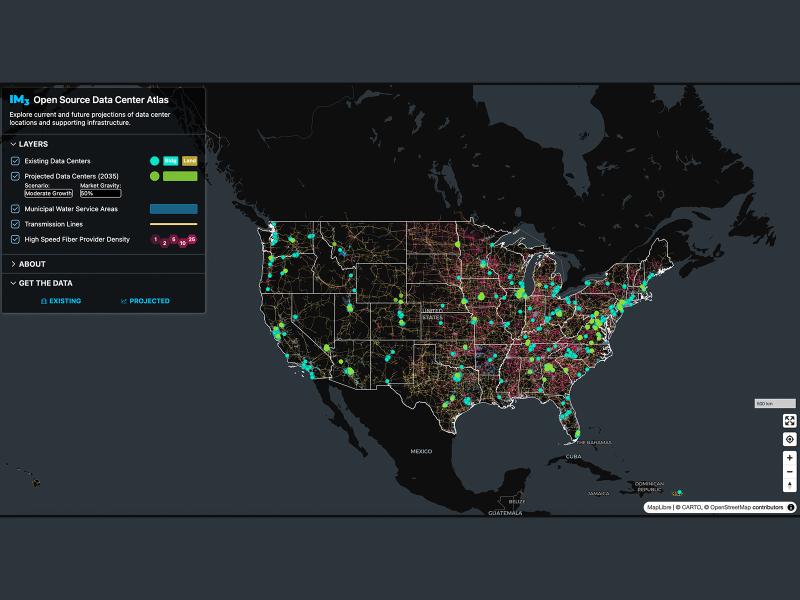
Now, anyone can easily explore and access data from a nationwide map of data centers, the infrastructure that powers them, and projections of future data center locations.
A modeling study shows that adding batteries to a dam could decrease the wear and tear on hydropower turbines and open up new opportunities for dam operators to earn revenue.
From vehicles and airplanes to solid-phase processing of metals—how Curt Lavender and his team at PNNL solve industry problems with practical ingenuity.
Shear Assisted Processing and Extrusion (ShAPE) imparts significantly more deformation compared to conventional extrusion. The latest ShAPE system at PNNL, ShAPEshifter, is a purpose-built machine designed for maximum configurability.
PNNL’s year in review includes highlights ranging from advancing soil science to understanding Earth systems, expanding electricity transmission, detecting fentanyl, and applying artificial intelligence to aid scientific discovery.
New datasets delineating global urban land support scientific research, application, and policy, but they can produce different results when applied to the same problem making it difficult for researchers to decide which to use.
A new analysis shows how renewable energy sources like solar, wind and hydropower respond to climate patterns, and how utilities can use this data to save money and invest in energy storage.
The demand for energy is growing—and so is the technology supporting it. However, future development of power generation technologies could be affected by a key factor: material supply.
A new digital twin platform can help hydropower dam operators by providing accurate and predictive models of physical turbines that improve facilities and enhance reliability.
Although climate change may bring increased precipitation to many parts of the United States, some areas may face drier conditions and lower streamflow, resulting in decreased hydropower generation.
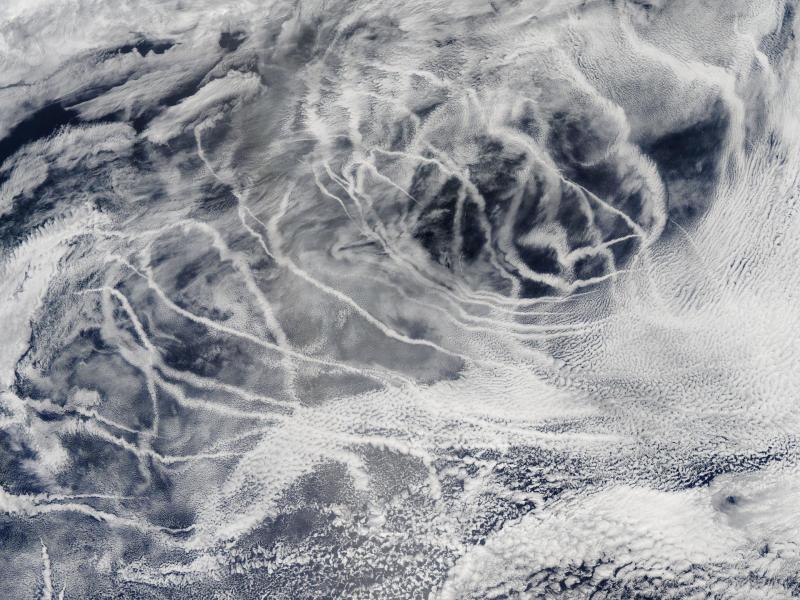
Aerosol particles imbue climate models with uncertainty. New work by PNNL researchers reveals where in the world and under what conditions new particles are born.
Accessing groundwater may become more difficult—and more expensive—as groundwater supplies become increasingly scarce and underground aquifer levels fall.
PNNL’s patented Shear Assisted Processing and Extrusion (ShAPE™) technique is an advanced manufacturing technology that enables better-performing materials and components while offering opportunities to reduce costs and energy consumption.