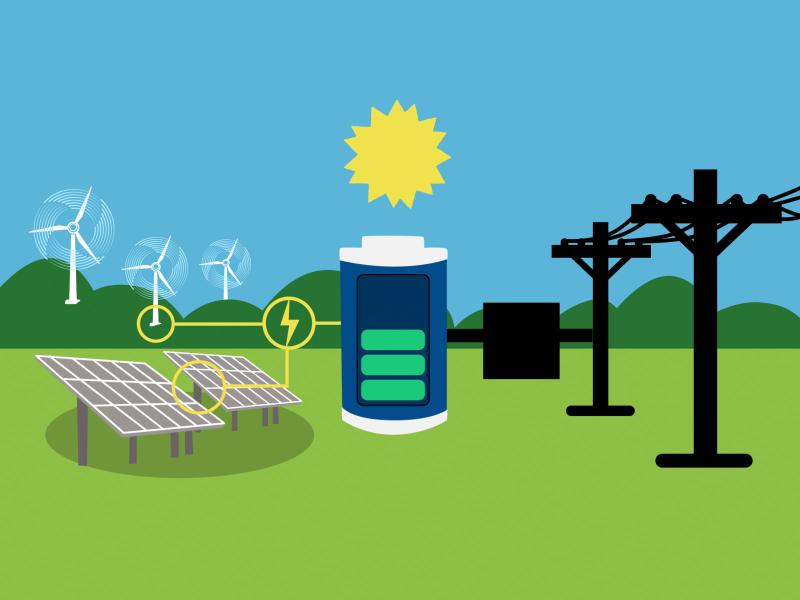
PNNL researchers are helping to better define the need for grid energy storage in future clean energy scenarios, as well as working to improve technologies for storing renewable energy so it's available when and where it's needed.
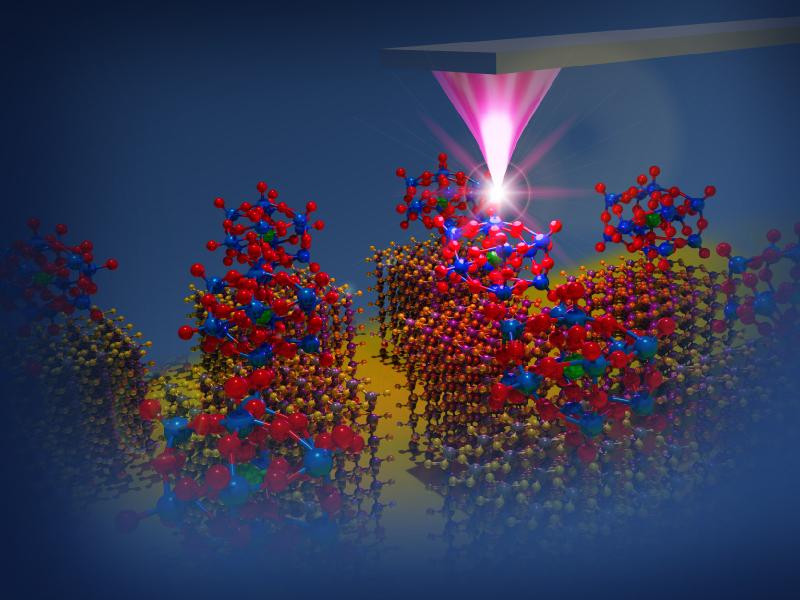
A combined experimental and theoretical study identified multiple interactions that affect the performance of redox-active metal oxides for potential electrochemical separation and quantum computing applications.
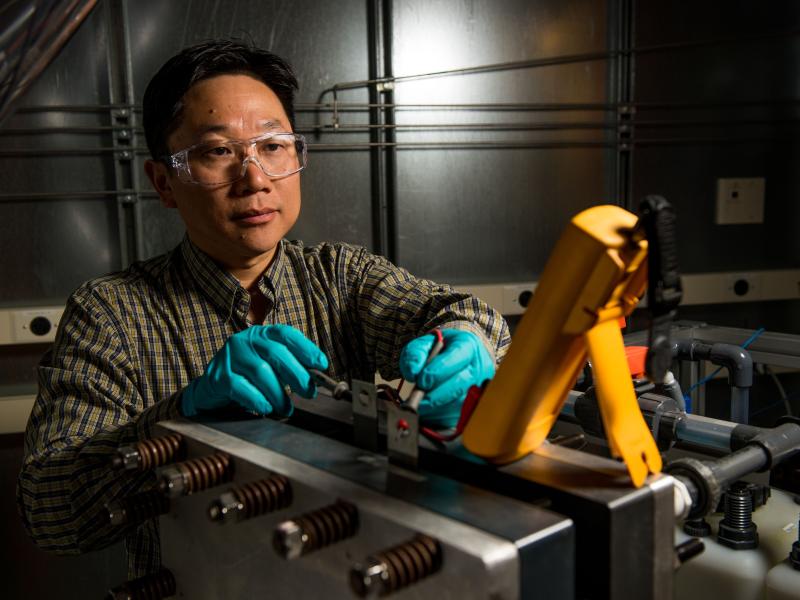
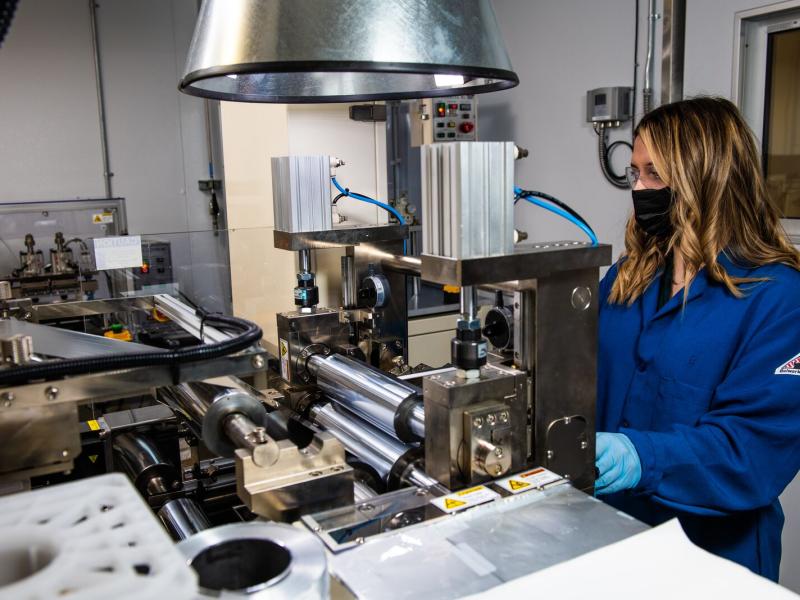
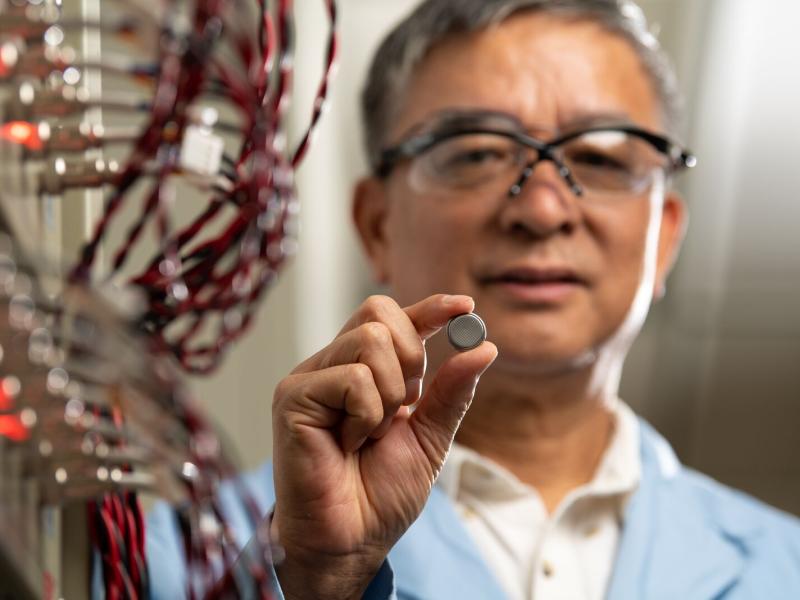
PNNL battery researcher Jie Xiao collaborates with academic and industry partners to address scientific challenges in manufacturing lithium-based batteries.
A new sodium battery technology shows promise for helping integrate renewable energy into the electric grid. The battery uses Earth-abundant raw materials such as aluminum and sodium.
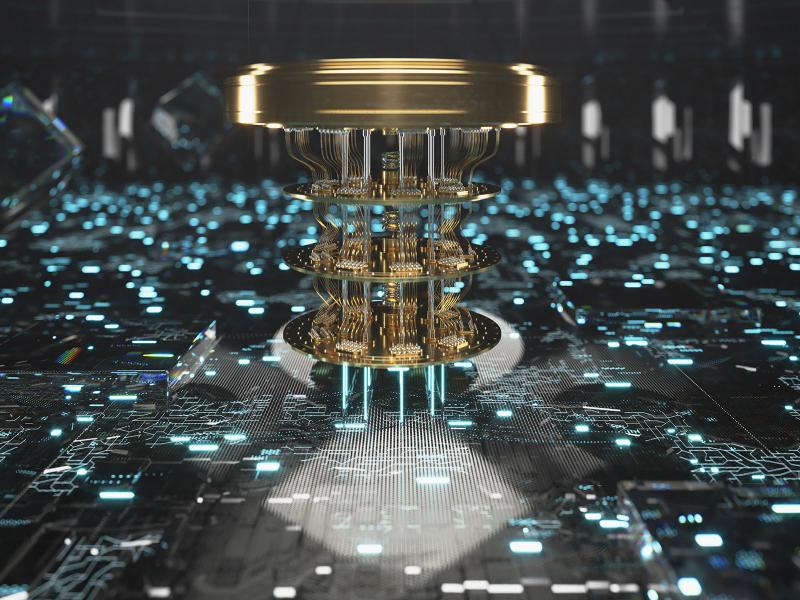
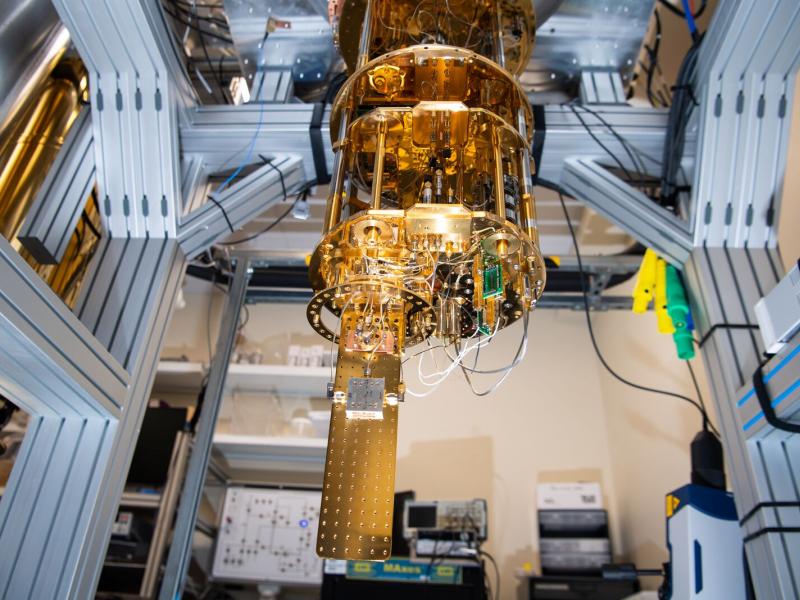
A new testbed facility capable of testing superconducting qubit fidelity in a controlled environment free of stray background radiation will benefit quantum information sciences and the development of quantum computing.
Read interviews with the new Laboratory fellows to learn about their contributions to their field, what drives them, and how their research is making the nation safer, greener, and more resilient.
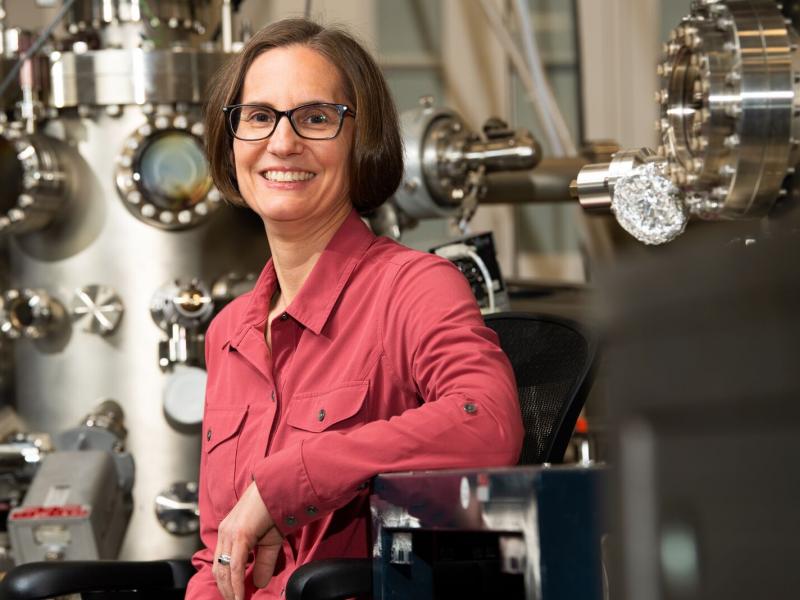
Tiffany Kaspar’s work has advanced the discovery and understanding of oxide materials, helping develop electronics, quantum computing, and energy production. She strives to communicate her science to the public.
A new longer-lasting sodium-ion battery design is much more durable and reliable in lab tests. After 300 charging cycles, it retained 90 percent of its charging capacity.
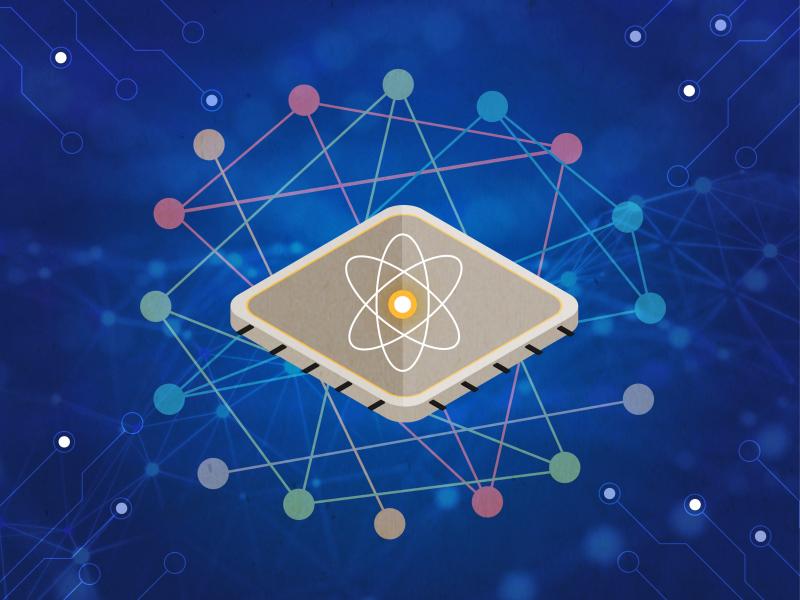
PNNL researchers developed a hybrid quantum-classical approach for coupled-cluster Green’s function theory that maintains accuracy while cutting computational costs.
Top scientists and officials from government, academia, Alaskan Native communities, and industry are heading to Alaska to focus on driving energy technologies for a more sustainable Arctic region.