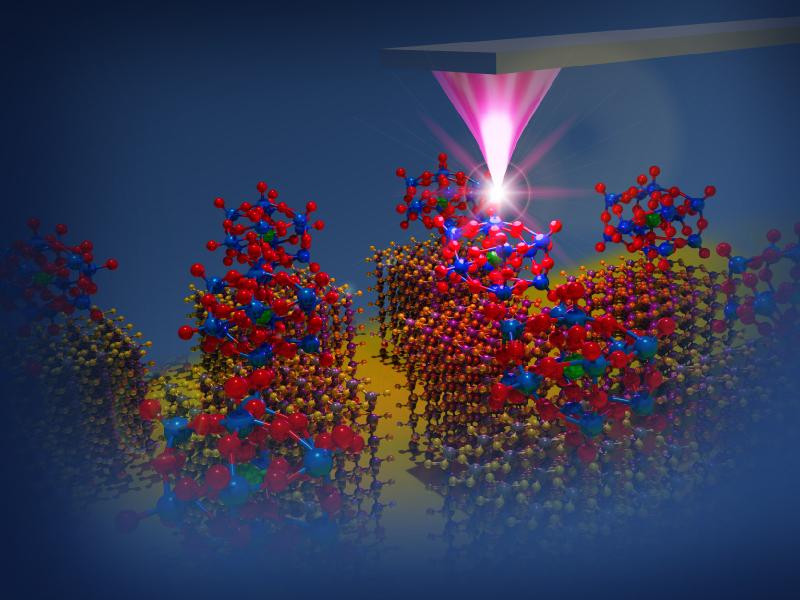
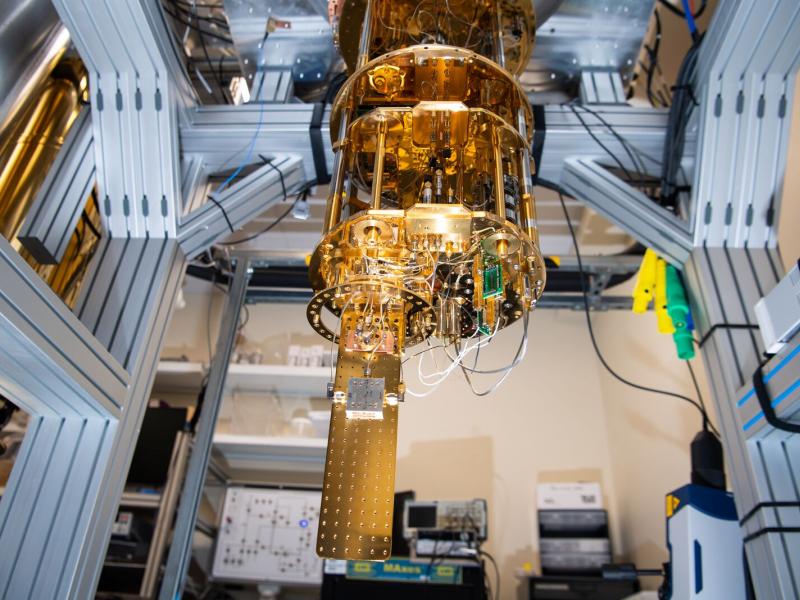
A combined experimental and theoretical study identified multiple interactions that affect the performance of redox-active metal oxides for potential electrochemical separation and quantum computing applications.
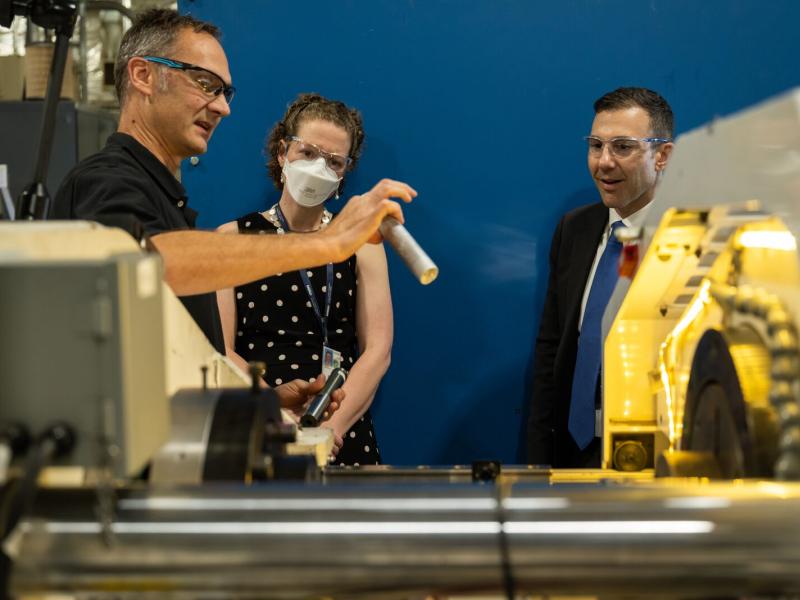
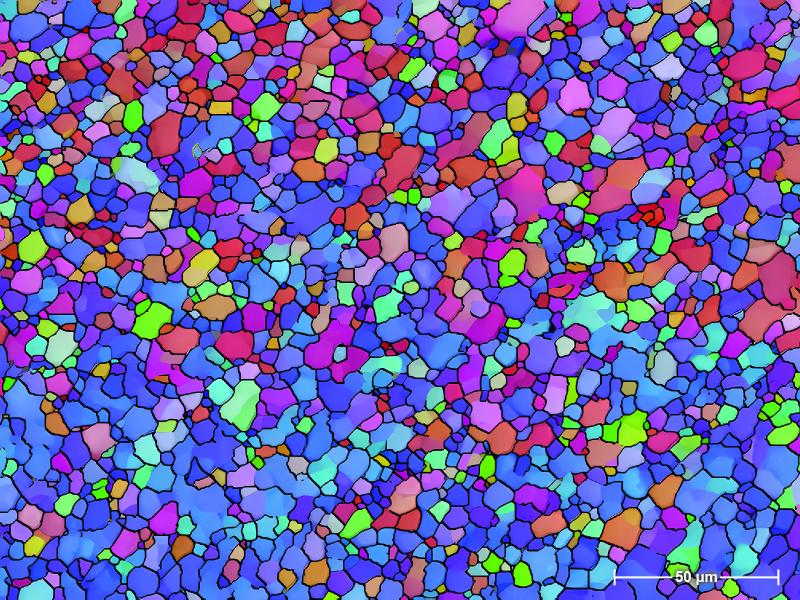
A PNNL-developed computational framework accurately predicts the thermomechanical history and microstructure evolution of materials designed using solid phase processing, allowing scientists to custom design metals with desired properties.
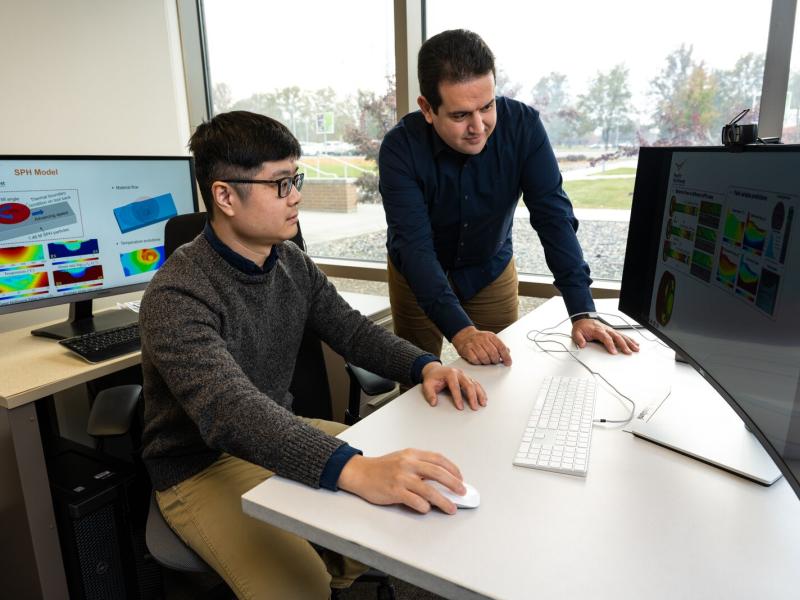
The work by the team at PNNL takes a critical step in leveraging ML to accelerate advanced manufacturing R&D, specifically for manufacturing techniques without access to efficient, first-principles simulations.
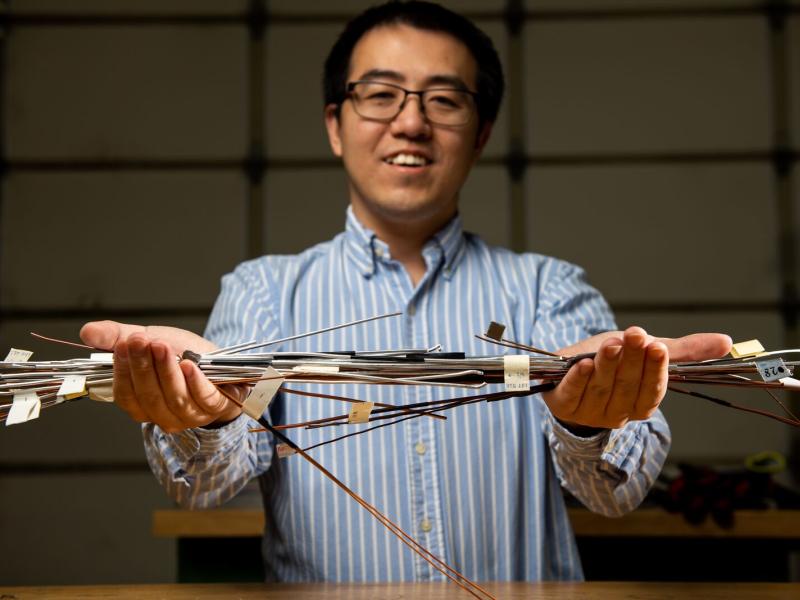
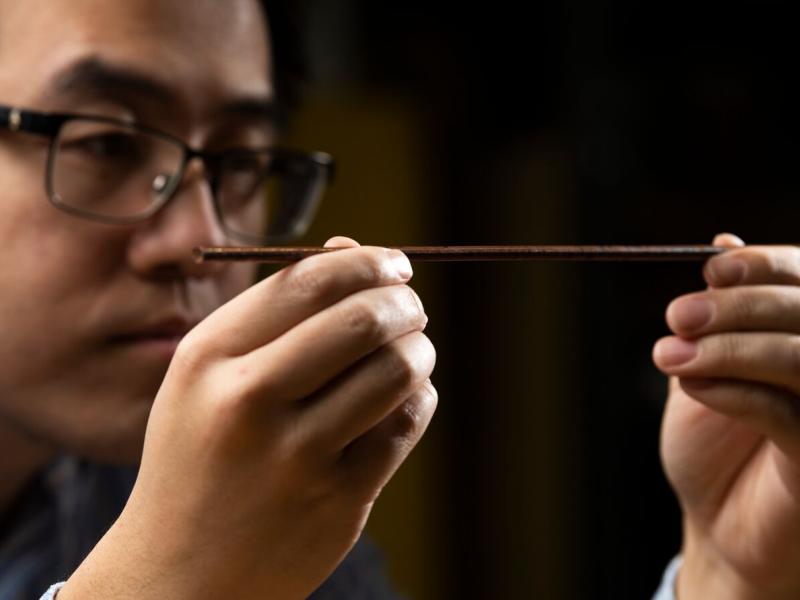
Research published in Journal of Manufacturing Processes demonstrates innovative single-step method to manufacture oxide dispersion strengthened copper materials from powder.
A new testbed facility capable of testing superconducting qubit fidelity in a controlled environment free of stray background radiation will benefit quantum information sciences and the development of quantum computing.
Tiffany Kaspar’s work has advanced the discovery and understanding of oxide materials, helping develop electronics, quantum computing, and energy production. She strives to communicate her science to the public.
PNNL researchers developed a hybrid quantum-classical approach for coupled-cluster Green’s function theory that maintains accuracy while cutting computational costs.