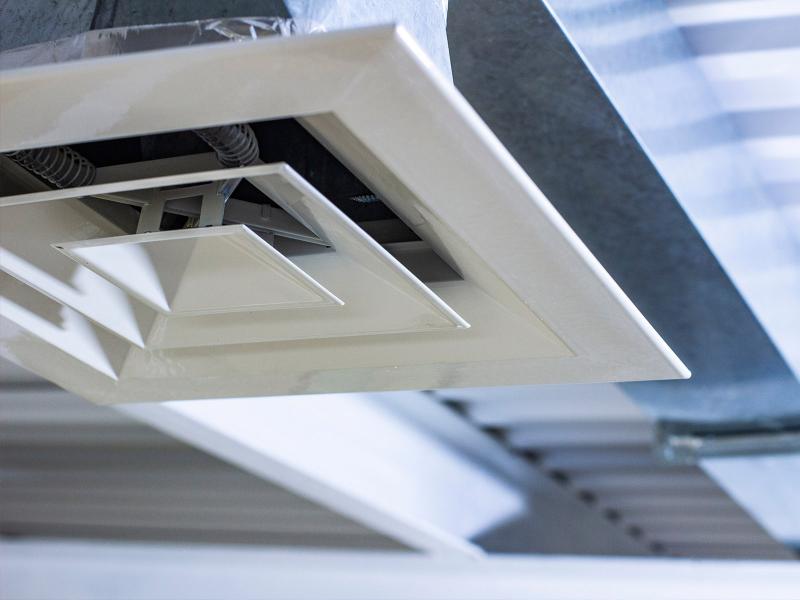
Researchers developed two solutions for air-conditioning—a novel, energy-efficient dehumidification system and a technology to detect refrigerant leaks. Both help increase energy-efficiency and reduce costs.
A new research partnership between PNNL and the University of Nevada, Reno aims to tackle critical challenges such as climate change, infrastructure resilience and cybersecurity.
Cailene Gunn discusses her work in science communication and how she communicates the Triton Initiative's research to help advance the marine energy industry.
A report published by the National Academies of Sciences, Engineering, and Medicine Committee on Applied Research Topics for Hazard Mitigation and Resilience focuses on social capital and connectedness for resilience.
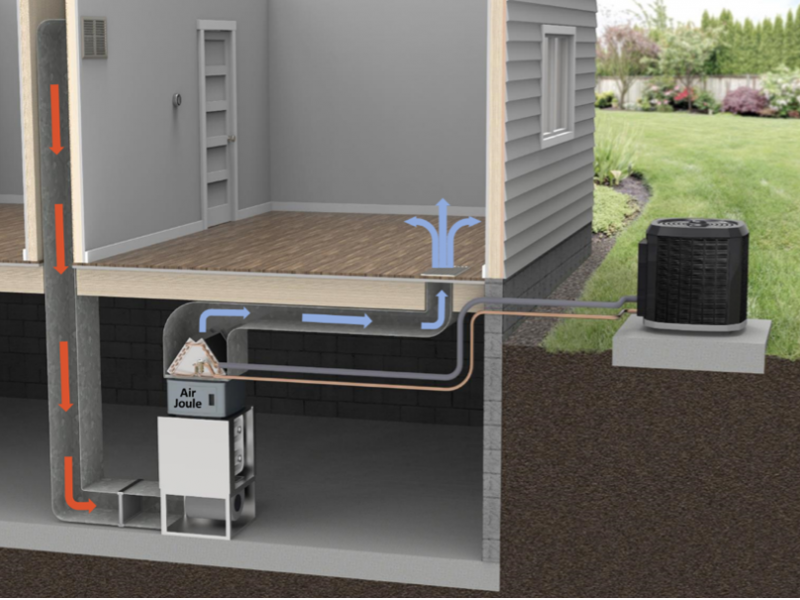
PNNL’s energy-efficient dehumidifier may reduce energy consumption by up to 50% in residential A/C systems and increase the range of electric vehicles by up to 75%. The system has been licensed to Montana Technologies.
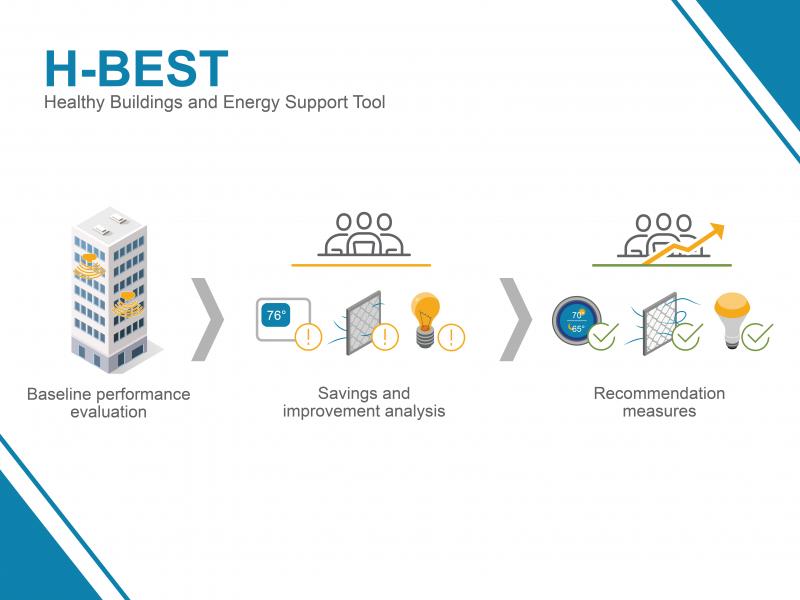
The first customized resource of its kind, H-BEST analyzes the indoor environmental quality profile for buildings and helps its users identify the costs and benefits of improvements.
PNNL’s Supriya Goel has been named by Consulting-Specifying Engineer as one of 2021’s 40 outstanding nonresidential building industry professionals age 40 or younger.
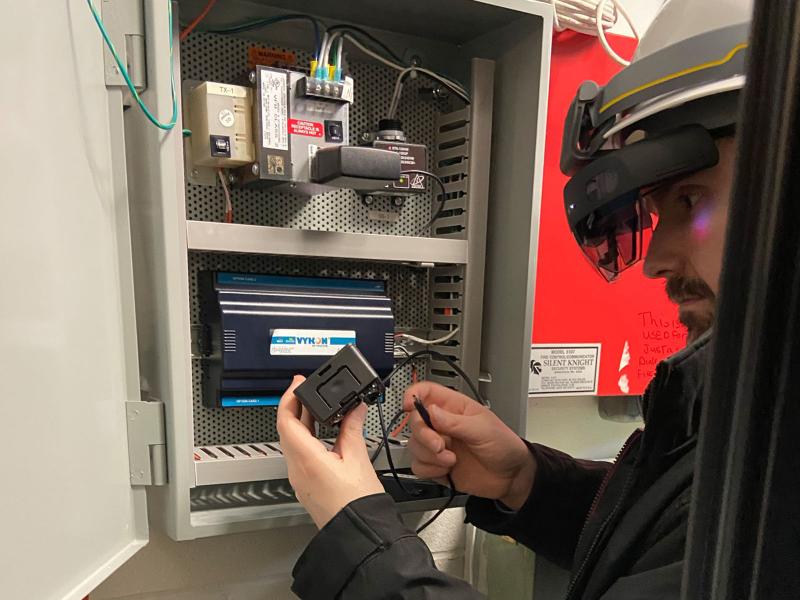
When the COVID-19 pandemic halted all travel for in-person inspections, a team at PNNL knew they needed to find a way to perform assessments virtually. Their solution—a portable kit that could be shipped to locations.
Samantha Eaves discusses the future of marine energy and her role with Triton from the Department of Energy Water Power Technologies Office perspective.