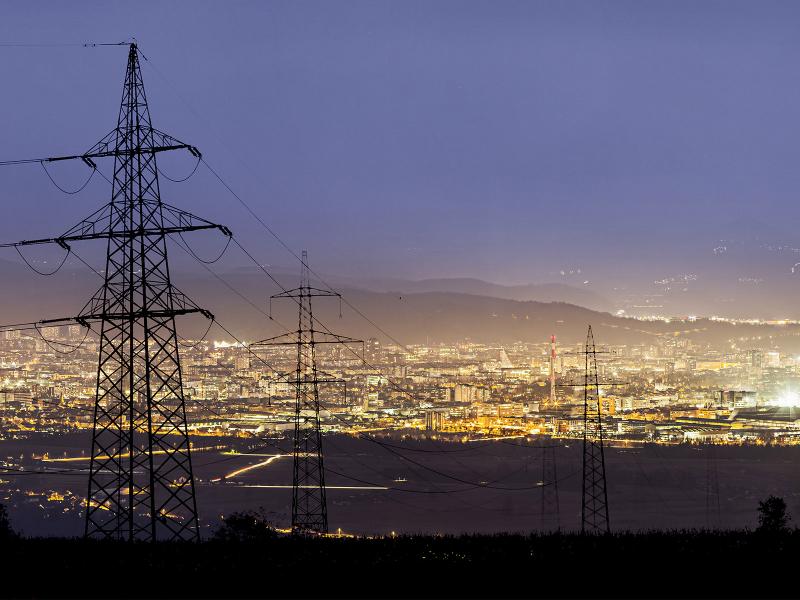
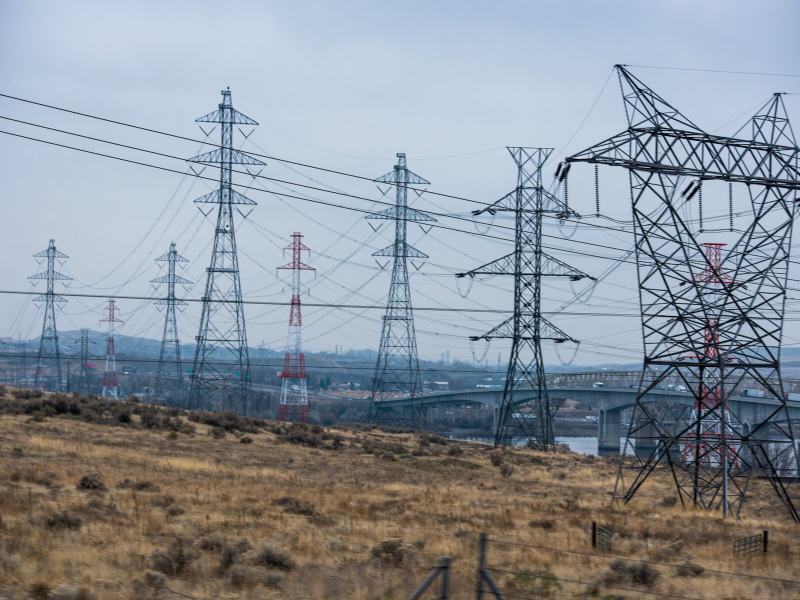
Recognizing how innovation and clean technologies at the very edge of the grid can work together to transition the electricity system, PNNL takes a multidisciplinary approach to advancing and integrating renewable energy solutions.
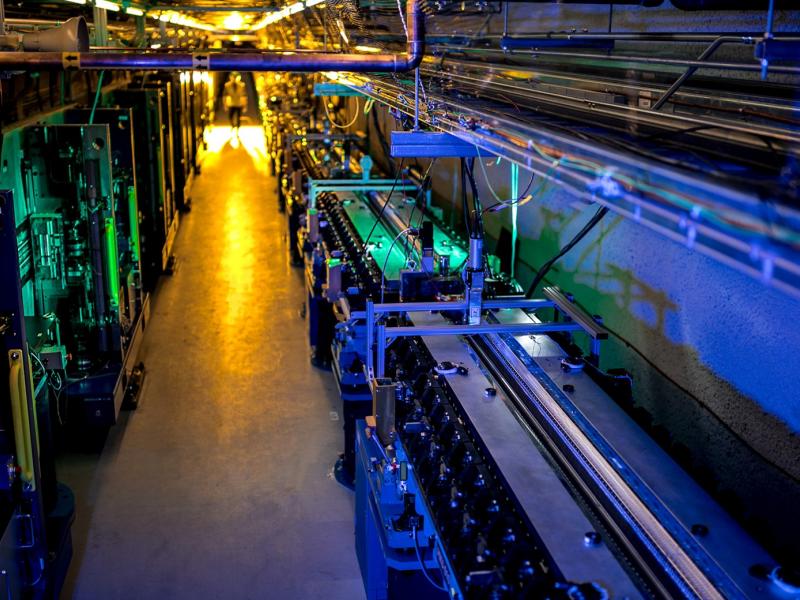
IDREAM researchers assess the potential of photon-in/photon-out XFEL techniques to explore early time reaction steps and ultimately improve nuclear waste processing strategies.
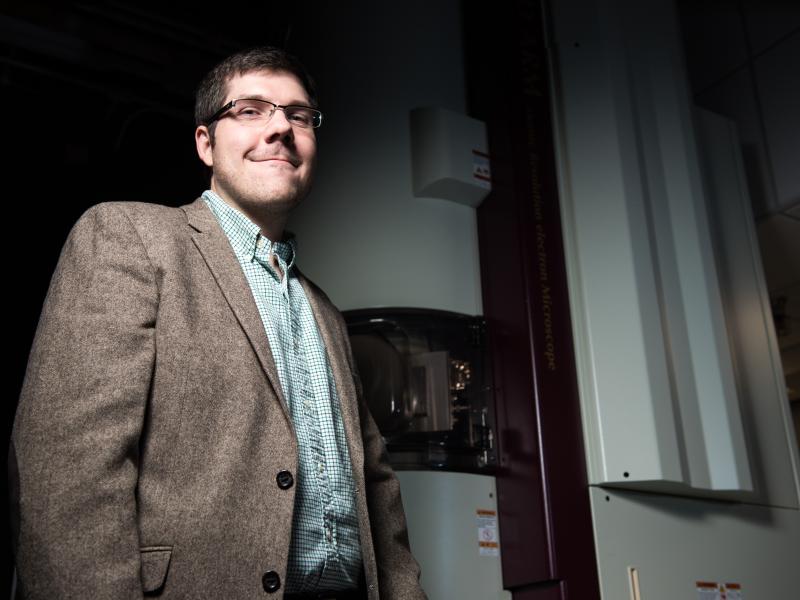
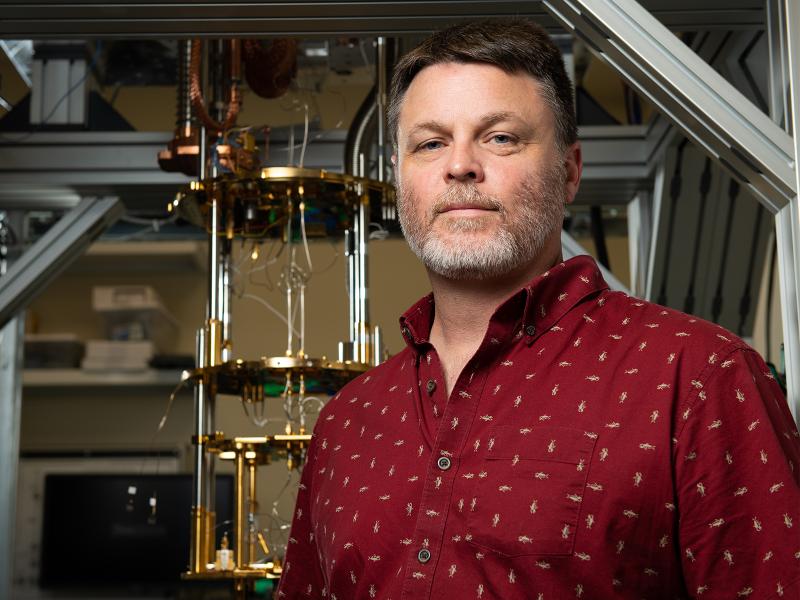
Steven Spurgeon, a materials scientist and microscopy researcher at PNNL, has accepted an affiliate associate professorship at the University of Washington Department of Physics.
The annual Secretary’s Honor Awards recognize federal and contractor employees who have shown exceptional creativity, drive, and commitment to projects that have lasting impact on the Department of Energy's mission.
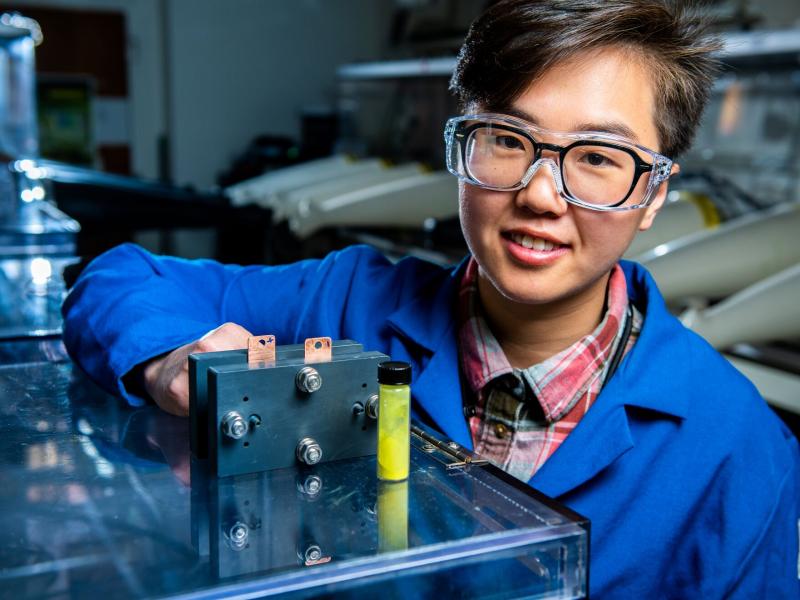
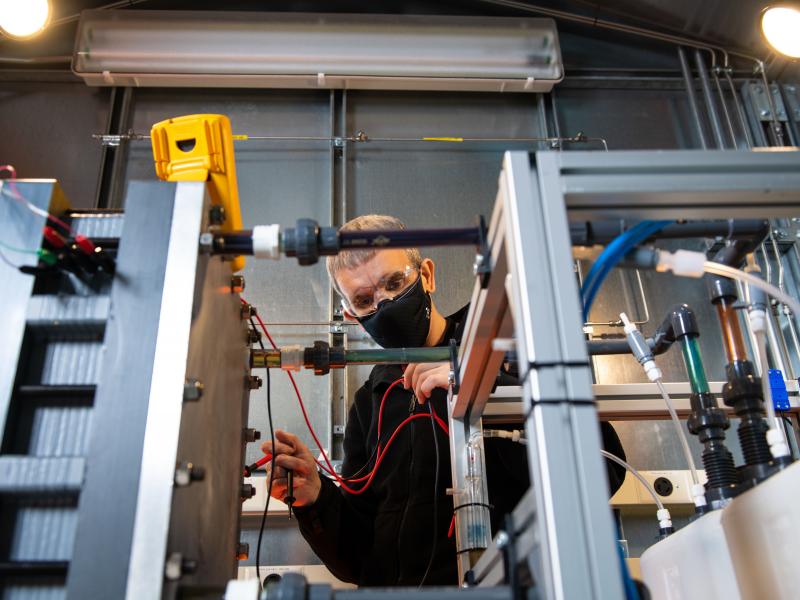
PNNL scientists partnered with colleagues at the University of Akron to create a new molecule that could substantially improve the electrochemical stability of redox flow batteries.
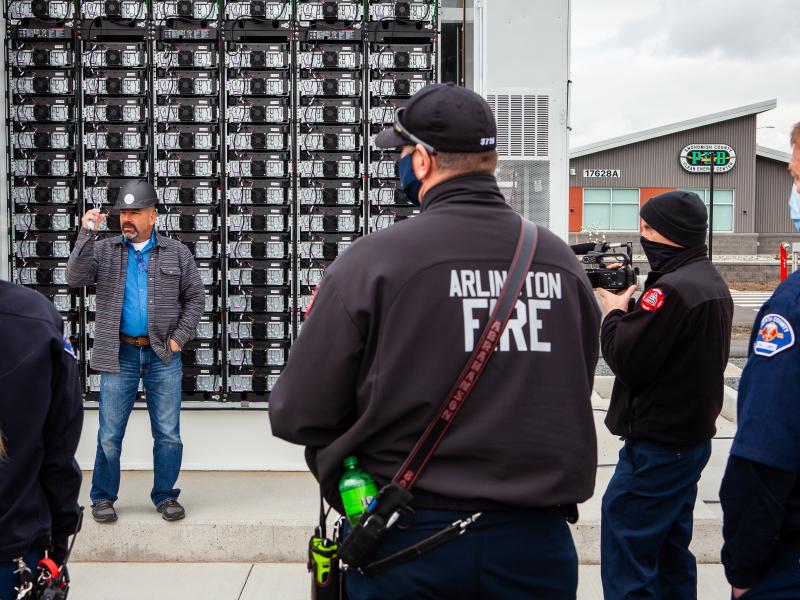
The Energy Storage for Social Equity Initiative will help up to 15 disadvantaged communities consider energy storage technologies to meet local energy goals.
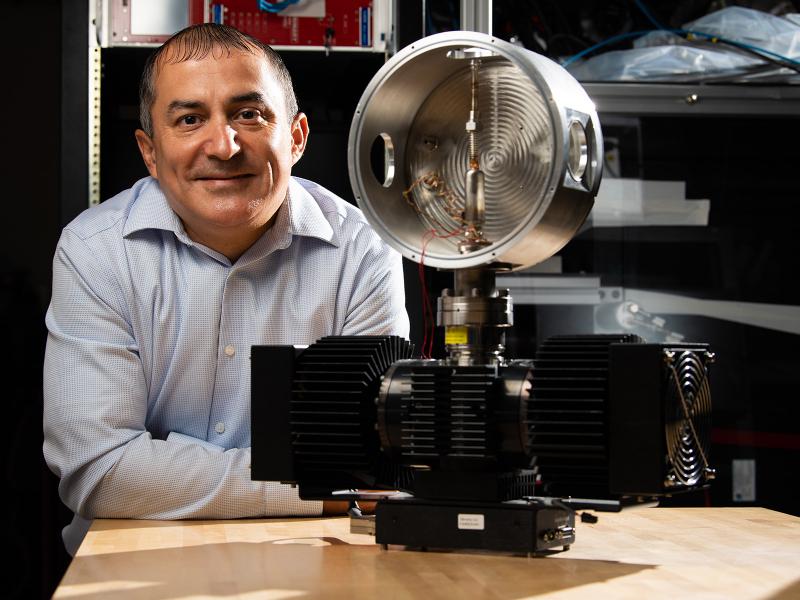
Rey Suarez is a nuclear nonproliferation researcher who is working on equipment that can detect radionuclides emitted from a nuclear explosion as part of treaty monitoring.
A paper by PNNL scientists on nuclear explosion monitoring technology is among top articles in nuclear instruments journal to draw most social media “buzz.”
The Washington State Academy of Sciences consists of more than 300 elected members who are nationally recognized for their scientific and technical expertise.
PNNL’s new Hydrogen Energy Storage Evaluation Tool allows users to examine multiple energy delivery pathways and grid applications to maximize benefits.
PNNL provided ultra-low measurements of argon-39 to date groundwater as part of a collaborative study of the aquifer in California’s San Joaquin Valley. PNNL is one of only a few laboratories worldwide with this capability.
A compound used in candles offers promise for a modern energy challenge—storing massive amounts of energy to be fed into the electric grid as the need arises.
Senior members of the National Academy of Inventors are recognized for their remarkable innovations that have brought, or aspire to bring, real impact on the welfare of society.
New facility that will accelerate energy storage innovation and make the nation’s power grid more resilient, secure and flexible has been given the green light to proceed by the U.S. Department of Energy.