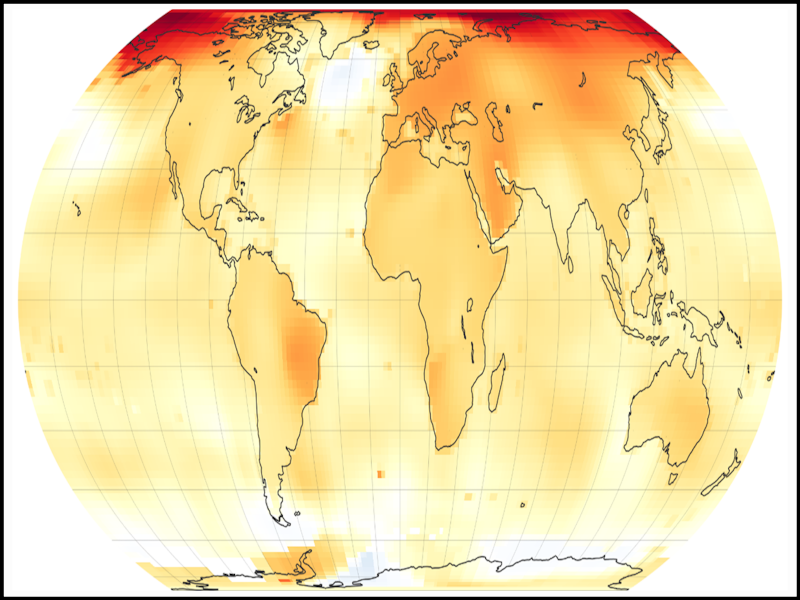
JANUARY 5, 2022 Research Highlight Identifying the Necessary Ensemble Size for Accurately Estimating Changes in Extremes Ensembles of 20–25 members, notably smaller than traditional large ensembles, can accurately represent changes in extremes of temperature and precipitation. ( Read More )
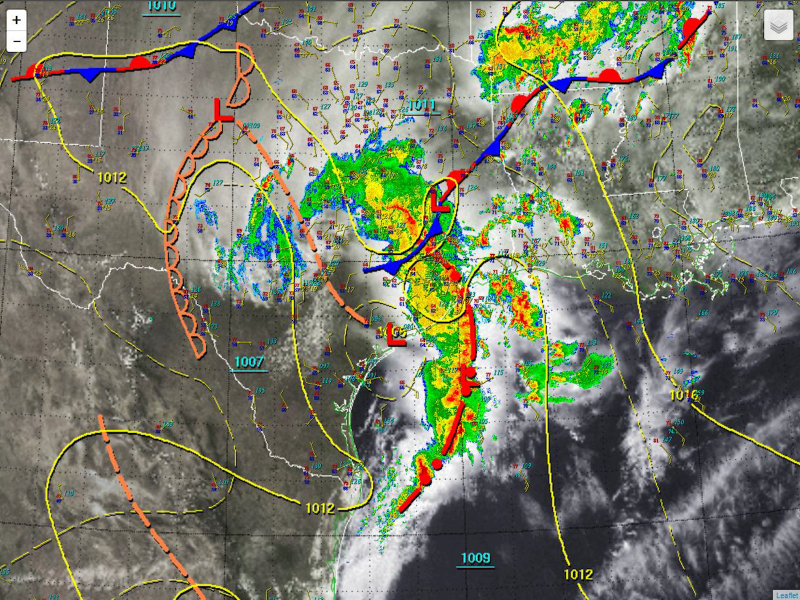
DECEMBER 21, 2021 Research Highlight Building a Theoretical Model for Thunderstorms over the Central United States Researchers developed a new model to understand the initiation of summer-time mesoscale convective systems over the central United States. ( Read More )
DECEMBER 21, 2021 Research Highlight More Accurately Representing Topography Impacts in Modeled Land Surface Processes Implementing and evaluating a new radiative transfer scheme that accounts for various topographic effects on solar radiation in an Earth system model. ( Read More )
DECEMBER 13, 2021 Research Highlight New Cloud Microphysics Improves the Simulation of Mesoscale Convective Systems Better representing cloud microphysics can Reduce model bias in simulating mesoscale convective system precipitation. ( Read More )
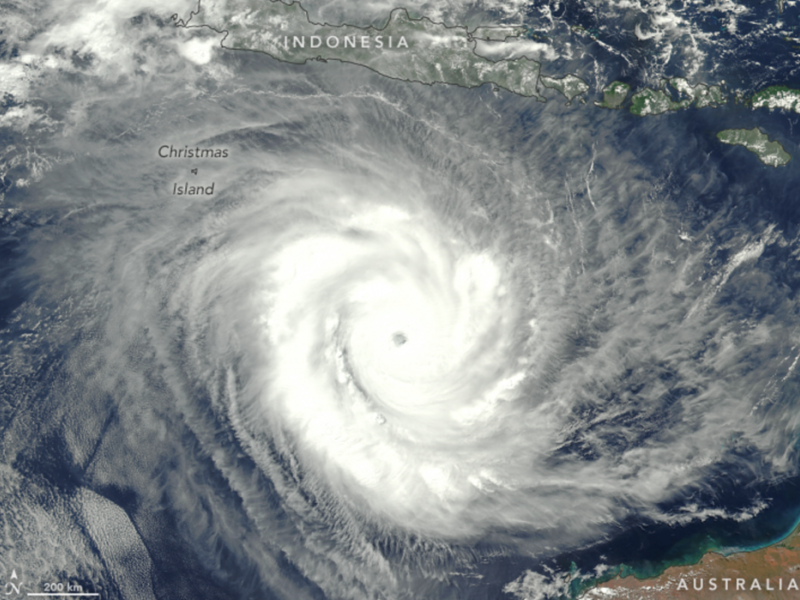
DECEMBER 6, 2021 Research Highlight Understanding the Oceanic Influence of the Madden-Julian Oscillation on Tropical Cyclones New analysis demonstrates that the Madden-Julian Oscillation can influence tropical cyclones in the Pacific through both the atmosphere and the ocean. ( Read More )
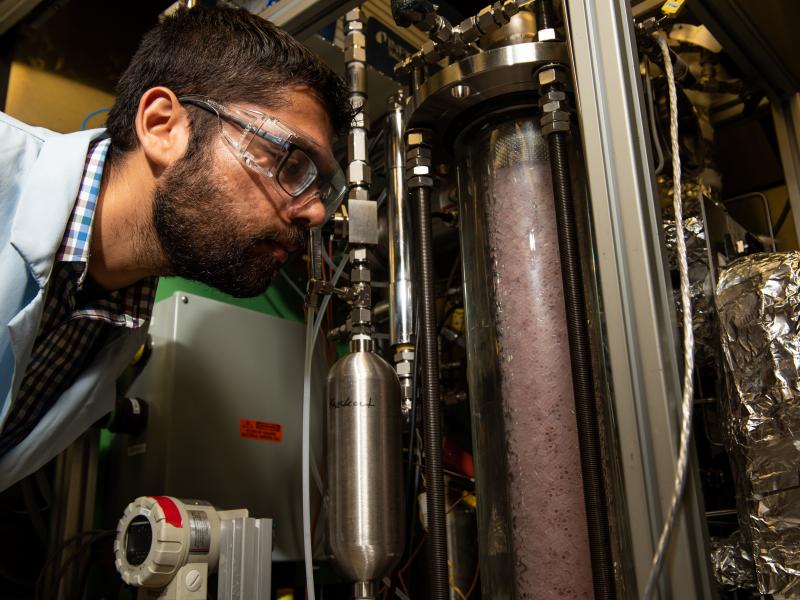
DECEMBER 18, 2020 Research Highlight Driving Down Carbon Capture Costs to $50.6 per Tonne PNNL researchers have developed a new class of chemistry focused on carbon capture technology and made incremental strides in driving down costs. ( Read More )
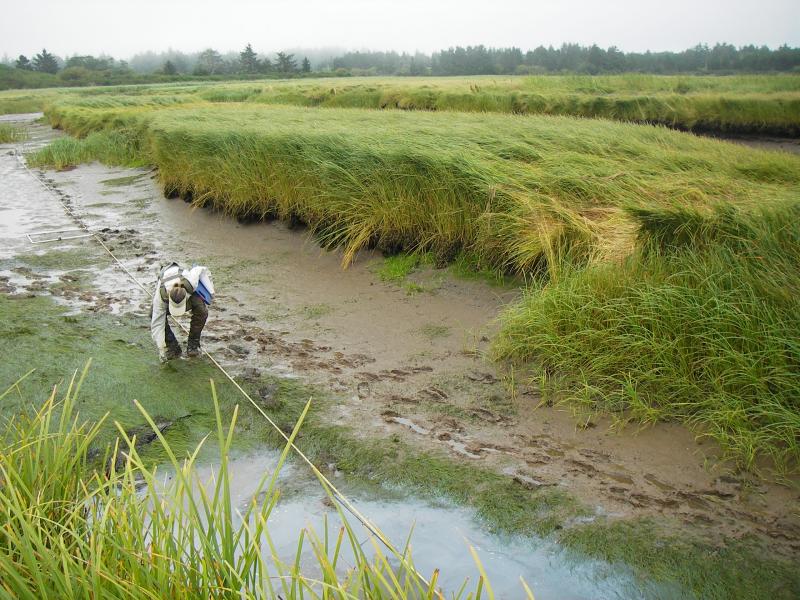
AUGUST 13, 2020 Research Highlight Study Shows Coastal Wetlands Aid in Carbon Sequestration Pacific Northwest marsh carbon stocks are twice the global average. Long-term sea-level rise impacts will likely decrease ecosystem carbon stocks. ( Read More )