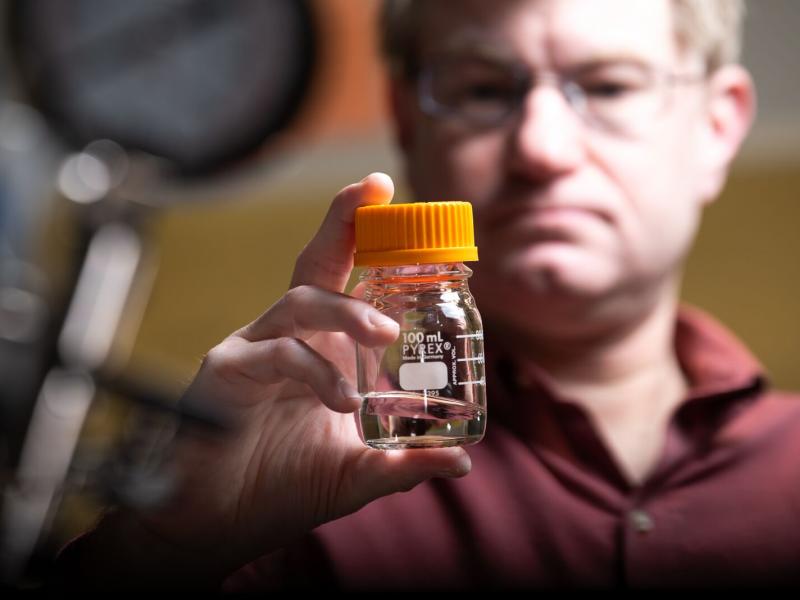
A process developed at PNNL that converts biomass and waste into a chemical intermediate or into gasoline, diesel, and jet fuel is available for commercial licensing.
PNNL scientists have proposed an "adaptive site management" cleanup strategy for the Hanford Site's Central Plateau that incorporates a structured, flexible approach to environmental remediation.
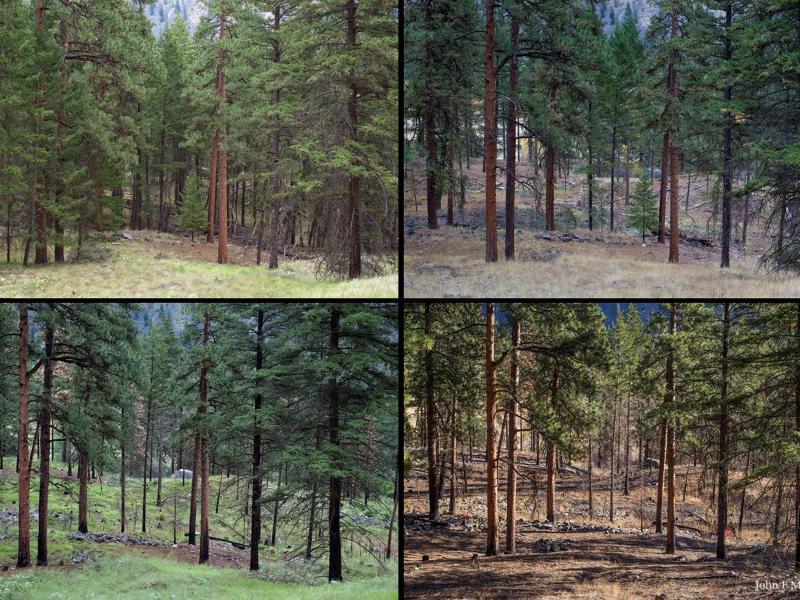
Scientists from PNNL and the U.S. Department of Agriculture-Forest Services’ Pacific Northwest Research Station have partnered to evaluate potential climate and wildfire adaptation scenarios and resulting benefits from restoration forestry.
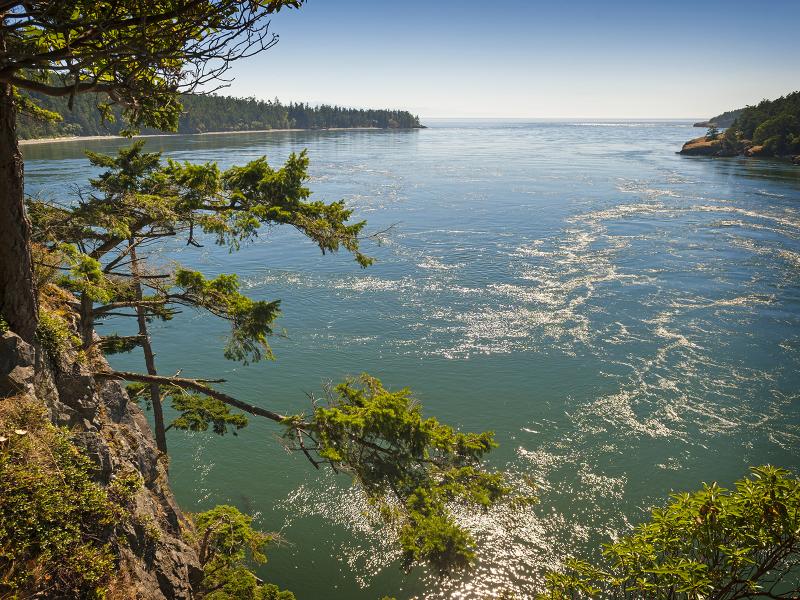
Ocean biogeochemical modeling software now available as open source to help researchers predict impacts of pollution, sea level rise, and climate change.
Integrating hydrogeology and biogeochemistry are required to model the dynamics of geochemical processes occurring in river corridor zones where groundwater and surface water mix.
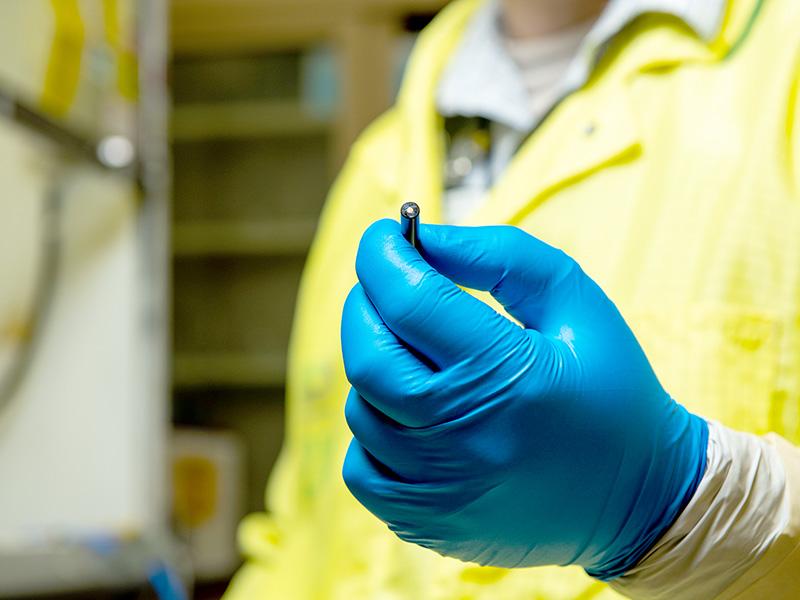
Existing techniques to detect pertechnetate in the environment have drawbacks. PNNL’s redox sensor technology uses a gold probe to accurately and efficiently measure low levels of pertechnetate—and possibly other contaminants—in groundwater