Connecting energy generation, electricity storage, and using sensors and control software to track load, including precommercial market marine energy generation technologies.
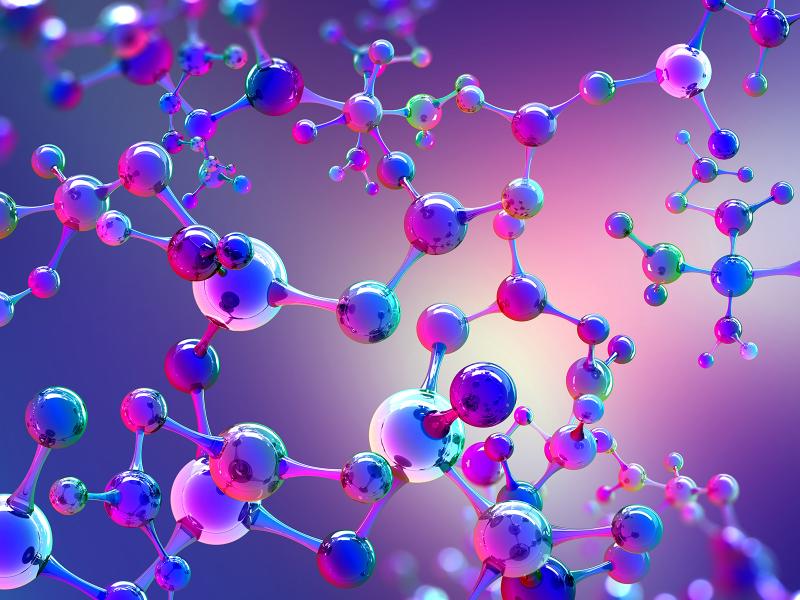
PNNL researchers have published their paper, “Introducing Molecular Hypernetworks for Discovery in Multidimensional Metabolomics Data,” in the Journal of Proteome Research.
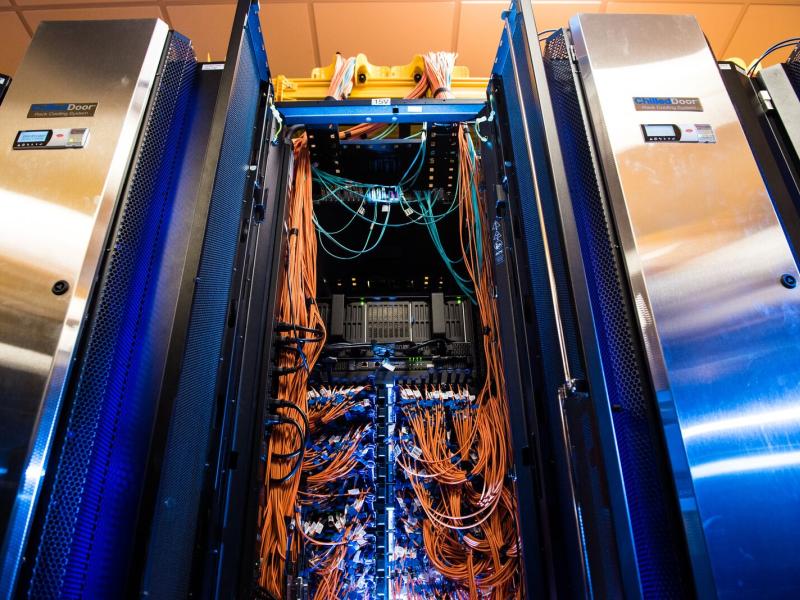
PNNL researchers have developed a new, physics-informed machine learning model that accurately predicts how heat accumulates and dissipates during friction stir processing.
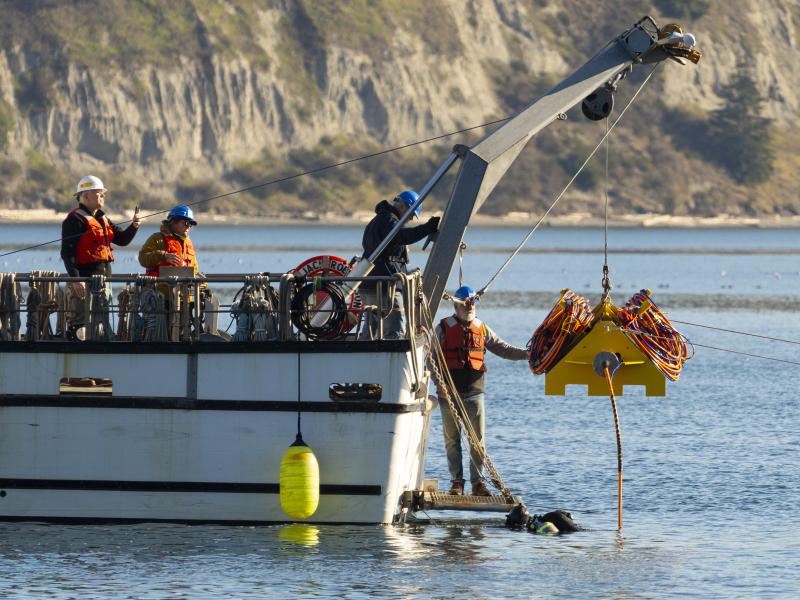
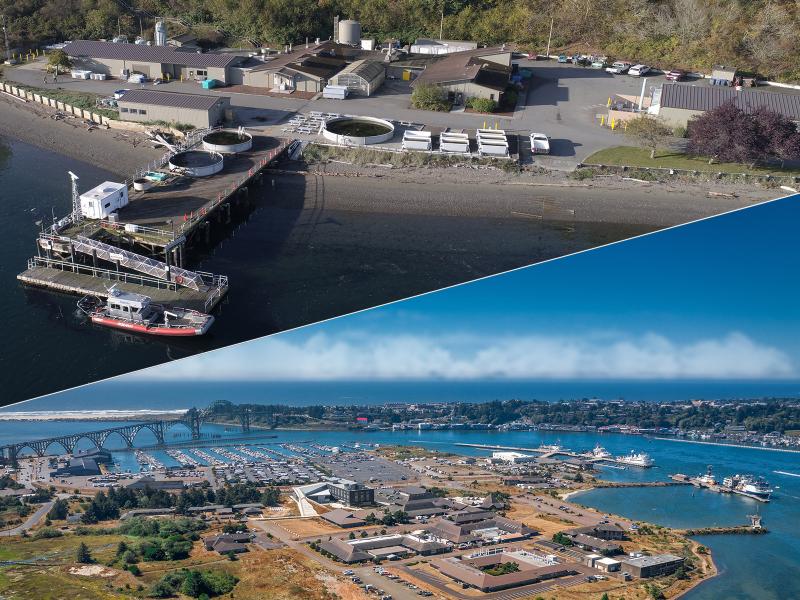
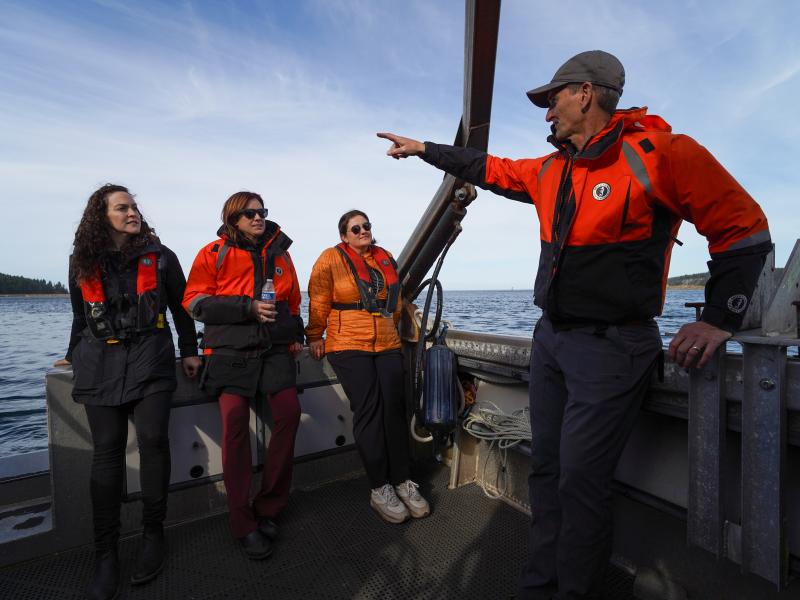
The first tidal turbine deployed in the Pacific Northwest at PNNL-Sequim showcases the Lab’s growing role as a regional center for marine energy research.
To thwart pathogens, researchers in the epidemiology field of infectious disease (ID) prediction are continuously trying to forecast when, where, and how an ID event will occur.
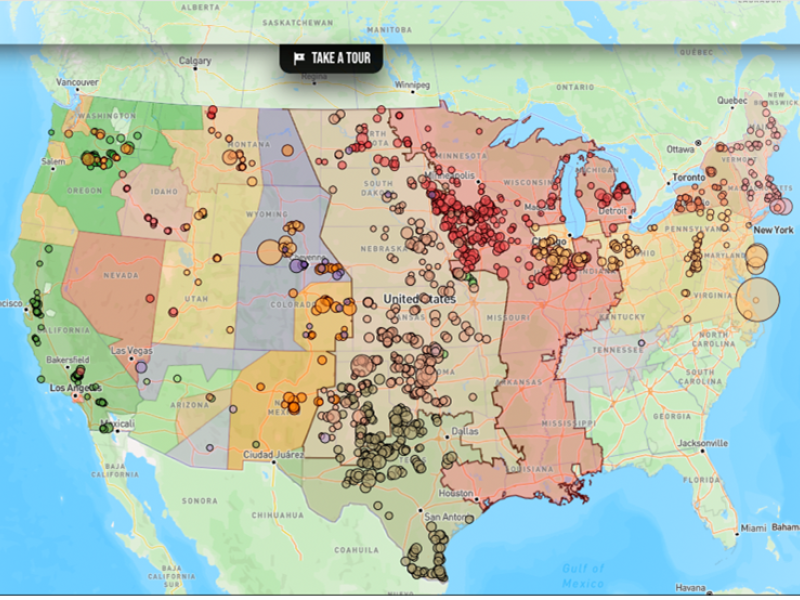
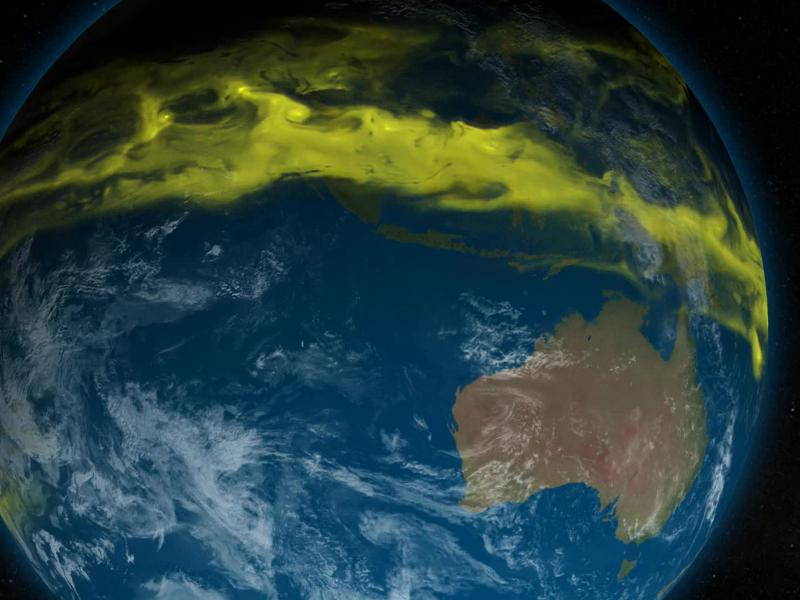
A new web-based tool provides easy-to-understand progress metrics and other data about groundwater cleanup sites overseen by the DOE Office of Environmental Management.