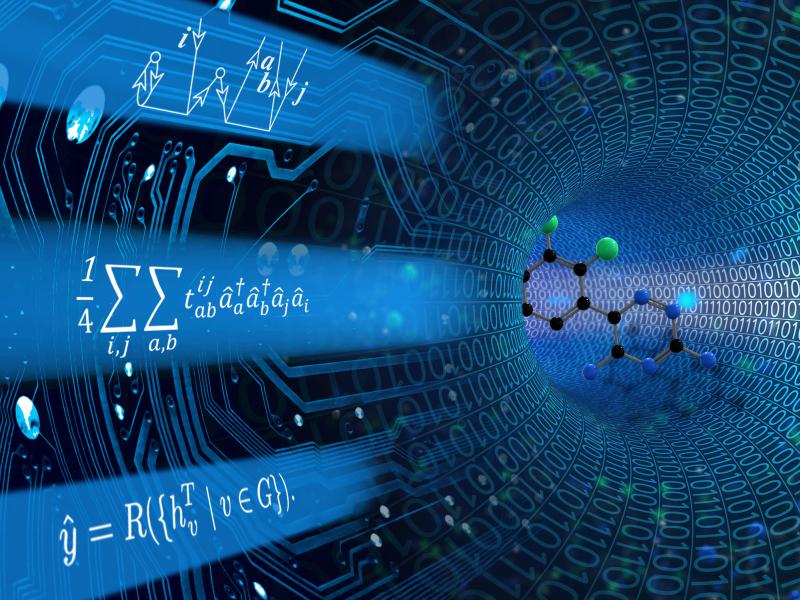
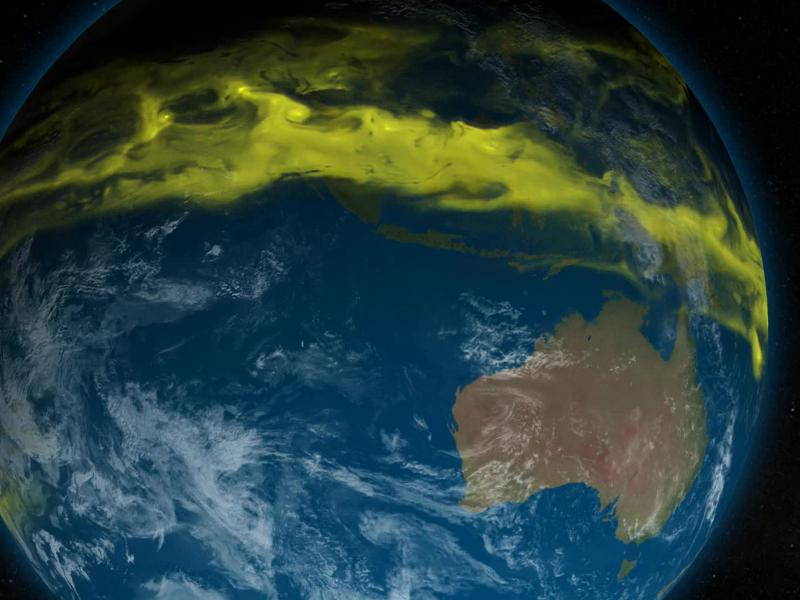
Randomly constructed neural networks can learn how to represent light interacting with atmospheric aerosols accurately at a low computational cost and improve climate modeling capabilities.
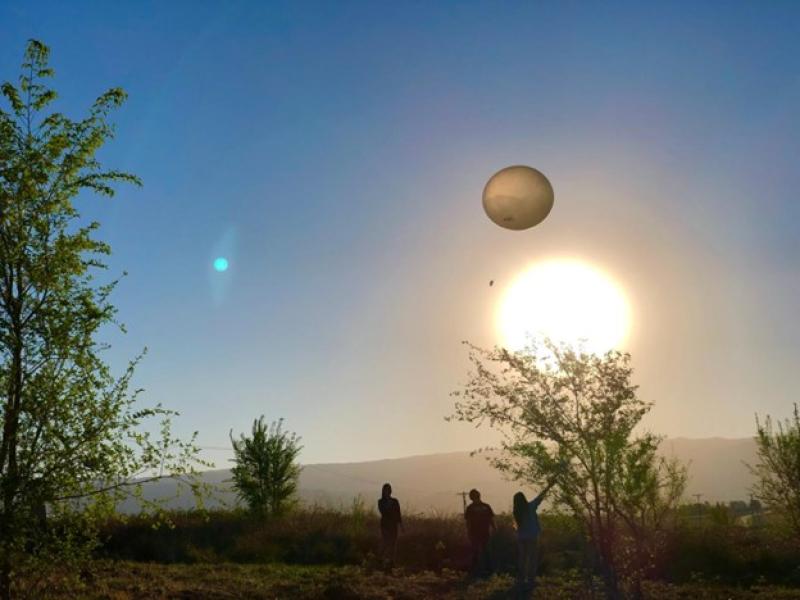
Assessing observed weather conditions that support or suppress the growth of clouds into deep precipitating storms during the Cloud, Aerosol, and Complex Terrain Interactions experiment.
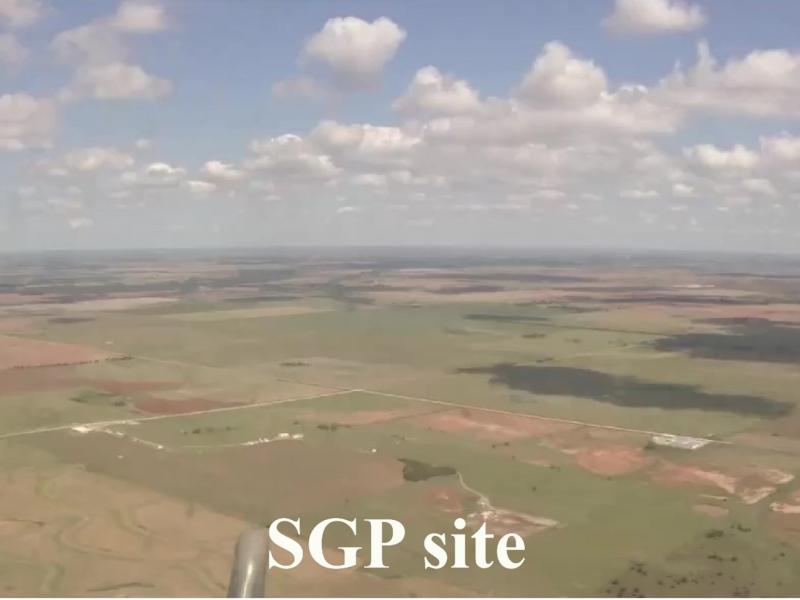
Performing closure studies using aerosol size, aerosol composition, and cloud condensation nuclei measurements of mixed aerosol from the Southern Great Plains region.
PNNL welcomes new joint appointments to expand the research productivity and scientific impact of both PNNL and the university partners, broadening the base of expertise at each institution and helping to build interdisciplinary teams.
The work by the team at PNNL takes a critical step in leveraging ML to accelerate advanced manufacturing R&D, specifically for manufacturing techniques without access to efficient, first-principles simulations.
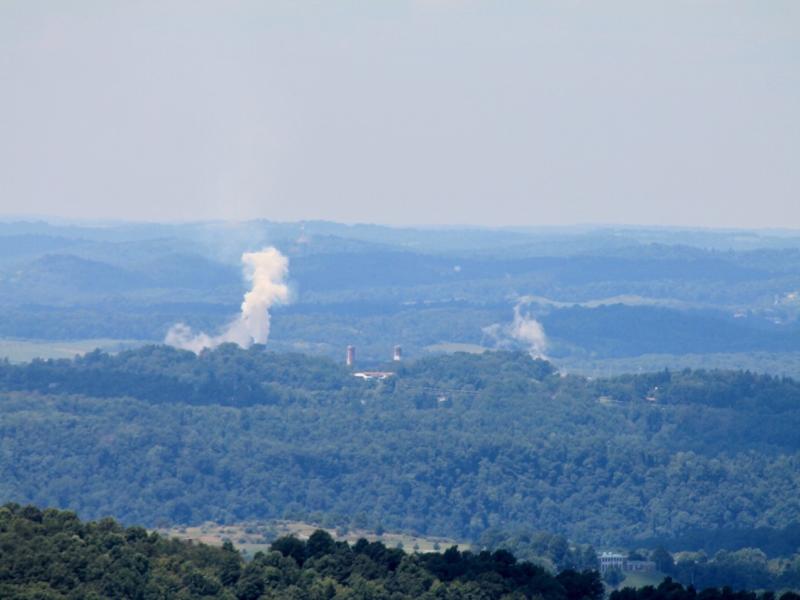
Secondary organic aerosol formation from monoterpenes is more strongly influenced by oxidant and monoterpene structure than by nitric oxides and hydroperoxy radical concentrations.