Uncovered the molecular basis of nitric acid speciation across dilute and concentrated solutions and identified competing hydration-shell rearrangements around lanthanide ions at the dilute limit.
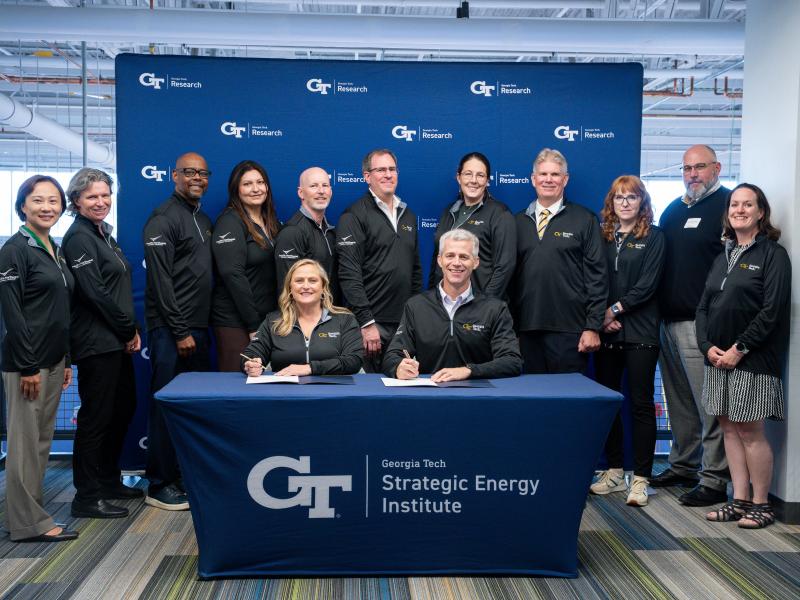
A new memorandum of understanding creates a framework for expanded research, talent development, and technology transfer between Georgia Tech and PNNL.
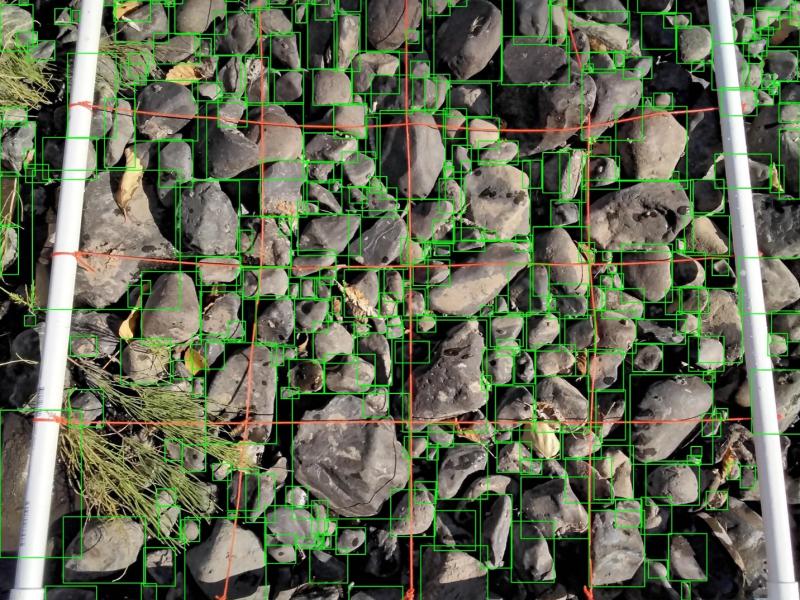
Across 47 sites in the Yakima River Basin of Washington State, faster oxygen consumption occurred with warmer water, more nutrients, and more suspended solids.
Dynamic organic matter traits tied to reactions can surpass static descriptors in explaining decomposition rates and responses to environmental change.
Using an AI approach to combine outputs from microbial models and apply them as inputs to reactive-transport models reduces computational time by several orders of magnitude.
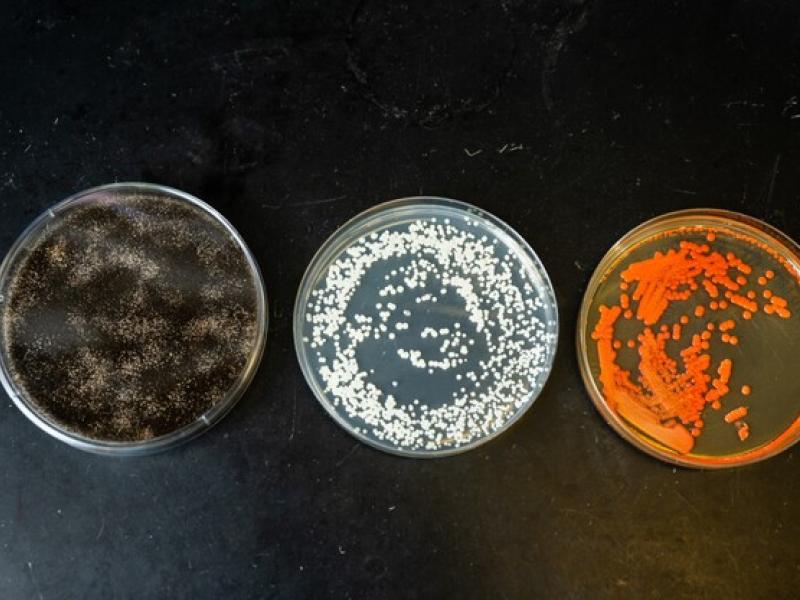
Integrating experiments and modeling show how a fungal exudate-inspired substrate mixture elicits an emergent growth phenotype and metabolic responses in Pseudomonas putida.
Uncovered how the choice of carbon source influences the stress tolerance, redox balance, and regulatory responses of yeast, which can help provide resilience against scale-up challenges.
A new report highlights a public workshop hosted by the National Academies Forum on Microbial Threats and features PNNL's Lauren Charles and the AI-Driven One Health Security program.
A research team from Pacific Northwest National Laboratory used machine reasoning to schedule scientific workflows while guaranteeing quality of service (QoS).
Researchers at PNNL have developed an interpretable, lightweight AI model that can easily predict weld microstructure features using only basic machine sensor inputs.
PNNL researchers highlighted advances in AI for scientific discovery at the AI+ Expo, showcasing generative AI, autonomous research workflows, and scalable AI systems supporting energy, security, and national competitiveness.
At a geospatial intelligence conference, senior data scientist Adam Attarian participated in a panel discussing how national laboratories are delivering science, technology, and partnerships to enhance modeling, analysis, and innovation.