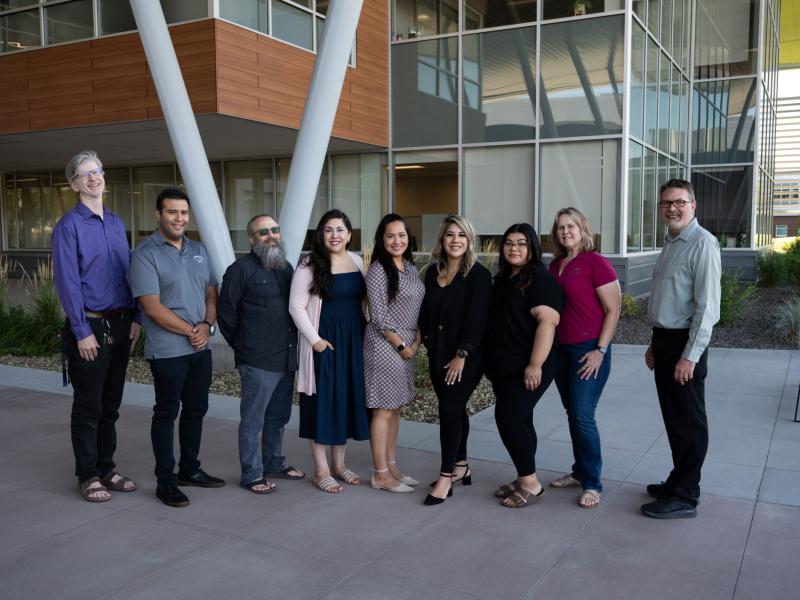
PNNL computing experts Robert Rallo and Court Corley contribute their knowledge to a recent DOE report on applications of AI to energy, materials, and the power grid.
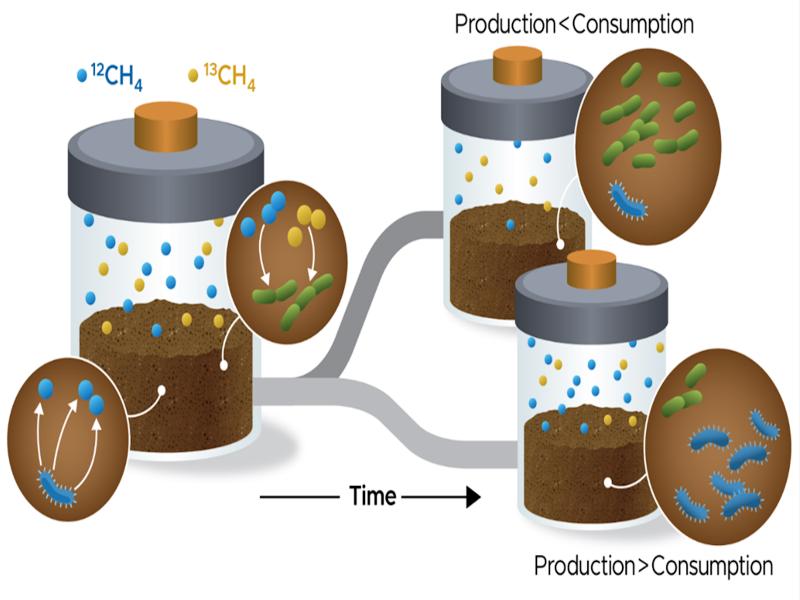
In soil, microbes produce and consume methane. Using a technique called pool dilution, researchers can separate the rate of methane production and consumption from the net rate.
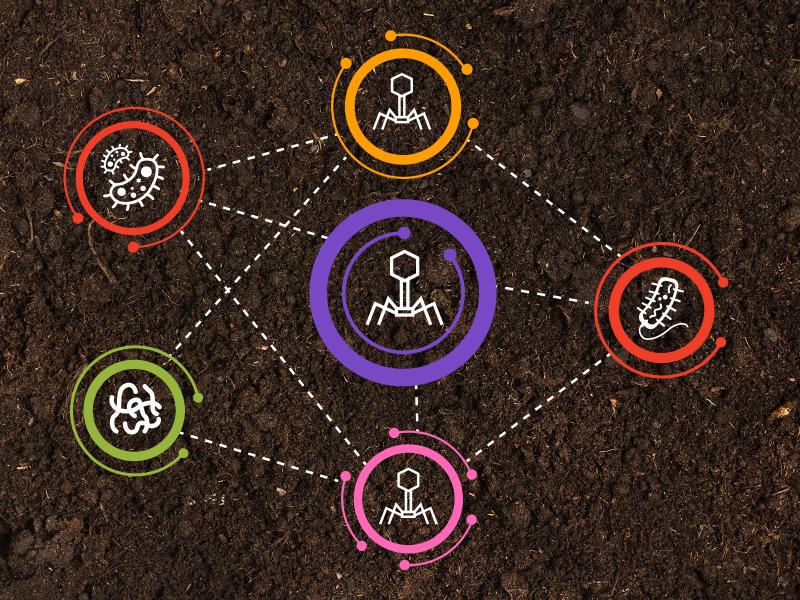
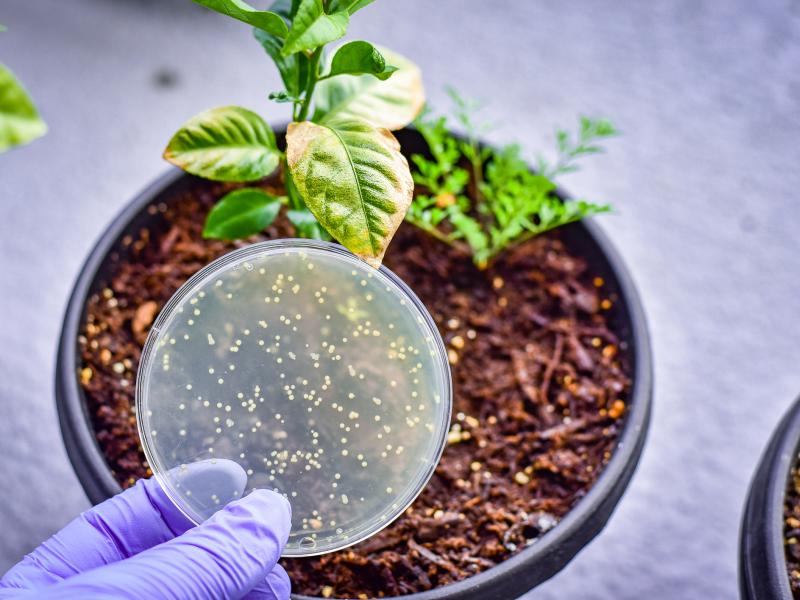
Scientists at PNNL have published a new article that focuses on understanding the composition, dynamics, and deployment of beneficial soil microbiomes to get the most out of soil.
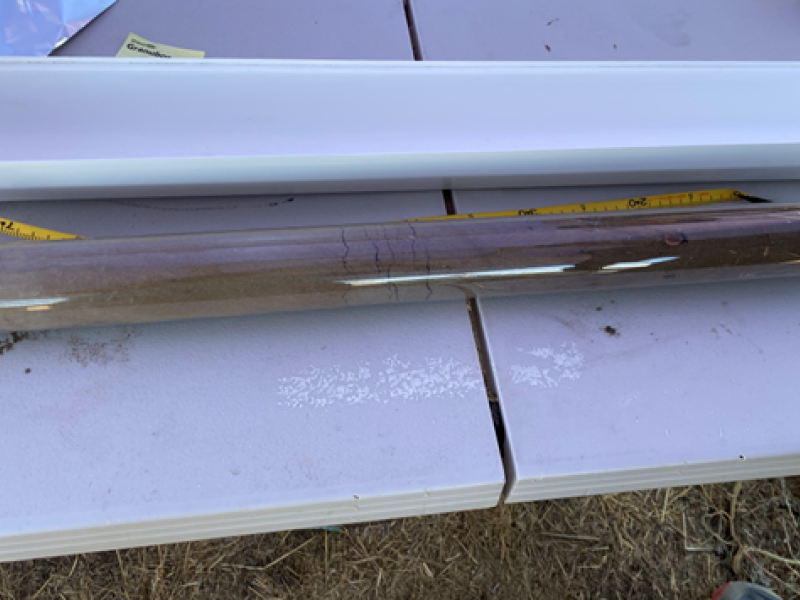
Soil is a massive reservoir of carbon, holding three times the amount of carbon than in the atmosphere. Soil is a massive reservoir of carbon, holding three times the amount of carbon than in the atmosphere.
Scientists at PNNL were awarded nearly $12 million to better understand pathogens, how they spread, and how to prepare the nation against future outbreaks.
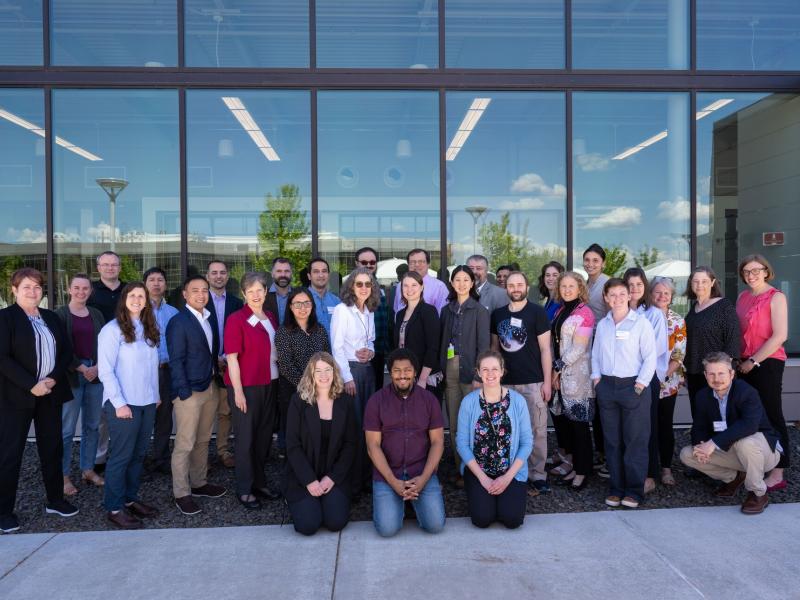
The Human Factors Symposium took place at Discovery Hall at PNNL in May 2023. Fifty-seven attendees participated in the three-day event representing 15 different institutions.
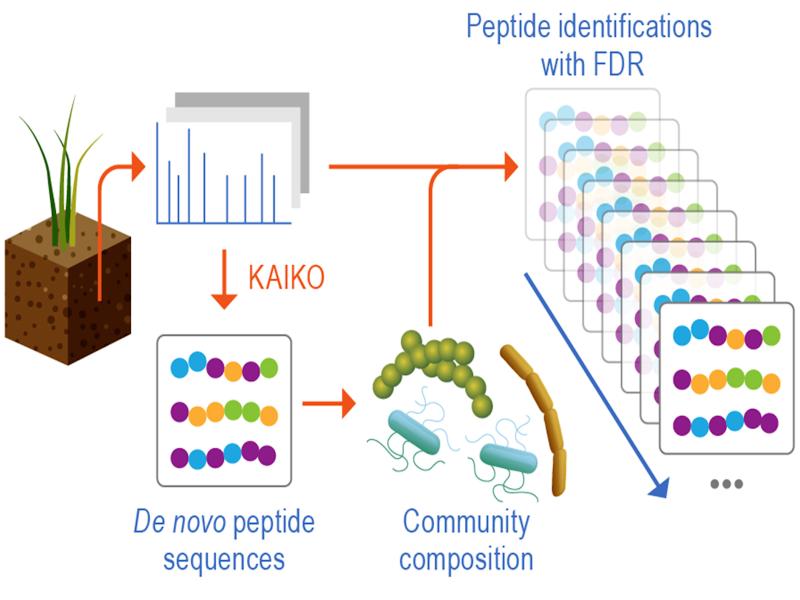
Scientists can now generate a protein database directly from proteomics data gathered from a specific soil sample using a digital tool and deep learning computer model called Kaiko.
The popular approach of organizing soil bacteria into fast- or slow-growing groups is problematic because most bacteria grow at comparable rates in soil.