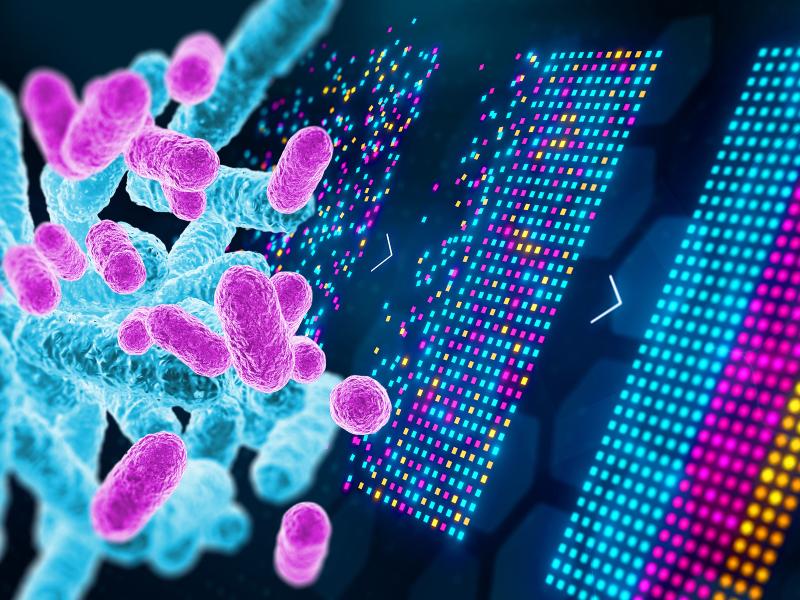
A new report highlights a public workshop hosted by the National Academies Forum on Microbial Threats and features PNNL's Lauren Charles and the AI-Driven One Health Security program.
A research team from Pacific Northwest National Laboratory used machine reasoning to schedule scientific workflows while guaranteeing quality of service (QoS).
David Wunschel, a chemist and Laboratory Fellow, participated on a panel focused on how emerging technologies are transforming CBRN defense, detection, and response across military and government operations.
The Center for Continuum Computing at PNNL aims to integrate cloud platforms, high-performance computing, and edge devices into a seamless ecosystem that accelerates scientific discovery.
A team of researchers recently coordinated a series of international workshops aimed at enhancing chemical research security and fostering collaboration among scientists and academic researchers from both countries.
In a recent publication in Nature Communications, a team of researchers presents a mathematical theory to address the challenge of barren plateaus in quantum machine learning.
Research at PNNL and the University of Texas at El Paso are addressing computational challenges of thinking beyond the list and developing bioagent-agnostic signatures to assess threats.
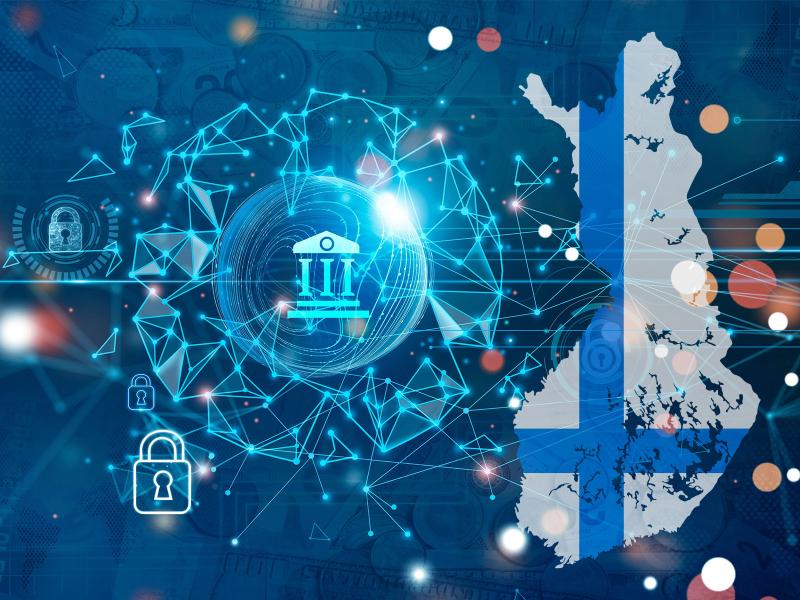
PNNL researchers helped design and conduct an international exercise hosted by the Ministry of Finance of Finland to help improve financial sector resilience.
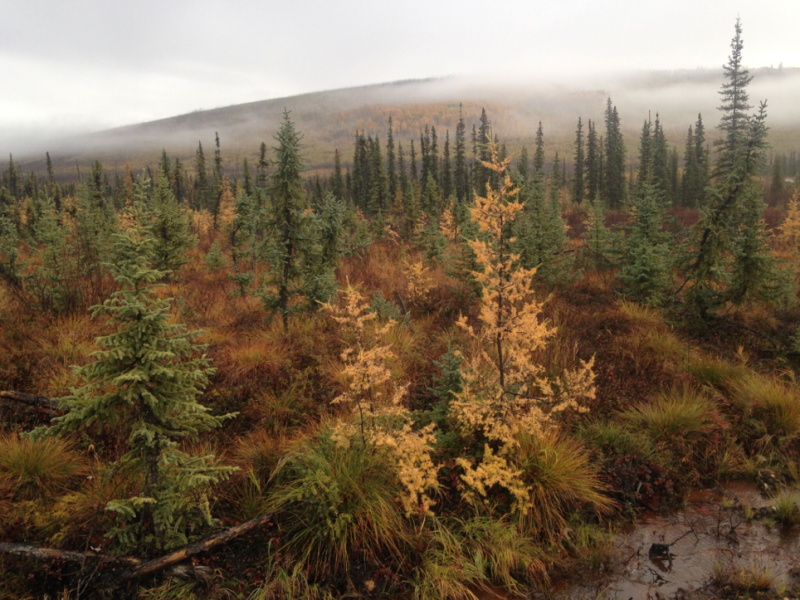
Microbes that were previously frozen in soils are becoming more active. This study demonstrates the diverse RNA viral communities found in thawed permafrost.