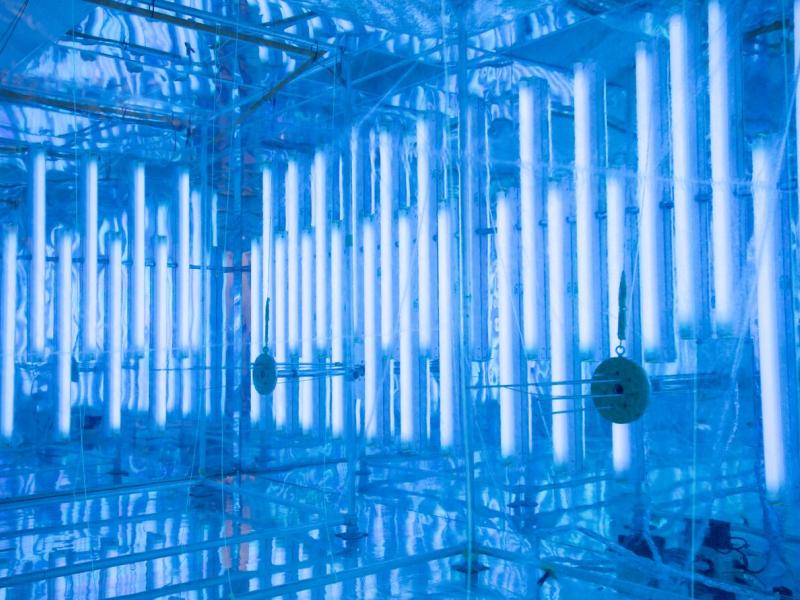
This study revealed that fresh organic vapors are soluble in particulate organics that are actively growing in size. However, if the particulate matter ages, fresh organic vapors can no longer mix with the organic matter.
Partitioning measured ice nucleating particle concentrations into individual particle types leads to a better understanding of the sources and model representations of these particles.
PNNL researchers helped design and conduct an international exercise hosted by the Ministry of Finance of Finland to help improve financial sector resilience.
Researchers from Pacific Northwest National Laboratory created and embedded a physics-informed deep neural network that can learn as it processes data.
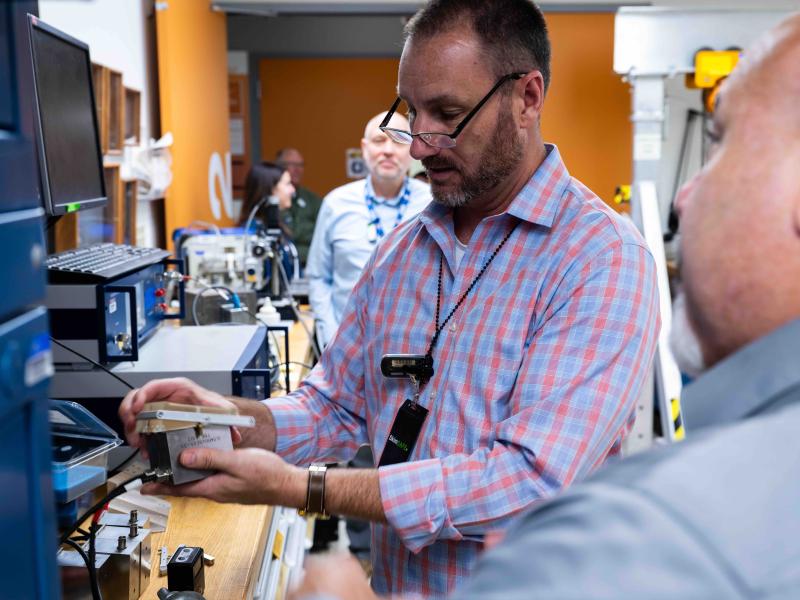
Bradley Crowell with the U.S. Nuclear Regulatory Commission sees advanced materials integrity, radiological measurement, and environmental capabilities on his first visit to PNNL.
Randomly constructed neural networks can learn how to represent light interacting with atmospheric aerosols accurately at a low computational cost and improve climate modeling capabilities.
The Forefront23 workshop convened researchers, scientists, and engineers who are just that: at the forefront of cybersecurity and nuclear nonproliferation.
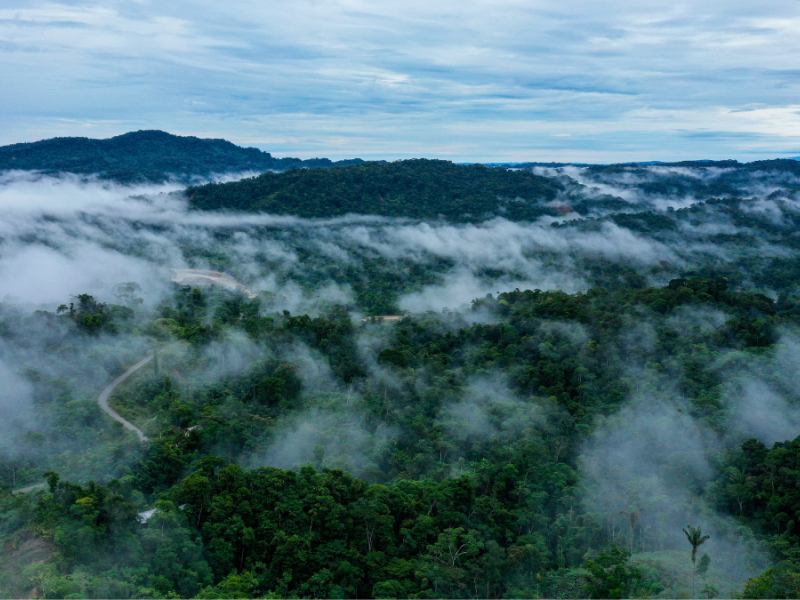
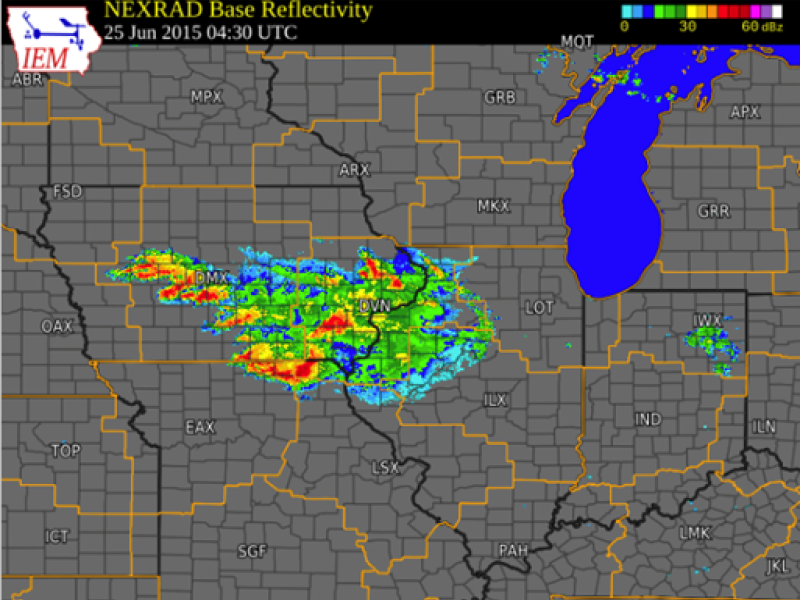
Assessing observed weather conditions that support or suppress the growth of clouds into deep precipitating storms during the Cloud, Aerosol, and Complex Terrain Interactions experiment.
Based on the early success of CHIRP and the urgency to build the future cybersecurity workforce, the program recently received five million dollars in funding through the FY23 Defense Appropriations Bill, via SSC.
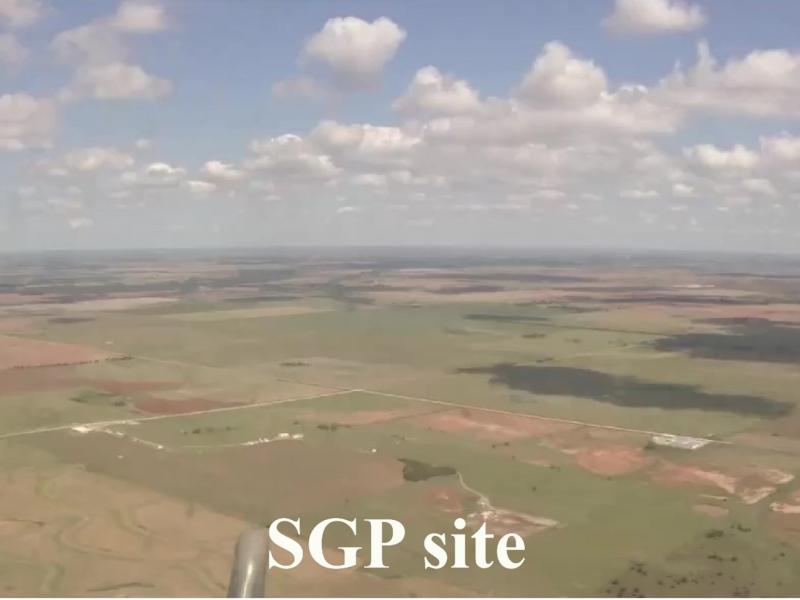
Performing closure studies using aerosol size, aerosol composition, and cloud condensation nuclei measurements of mixed aerosol from the Southern Great Plains region.