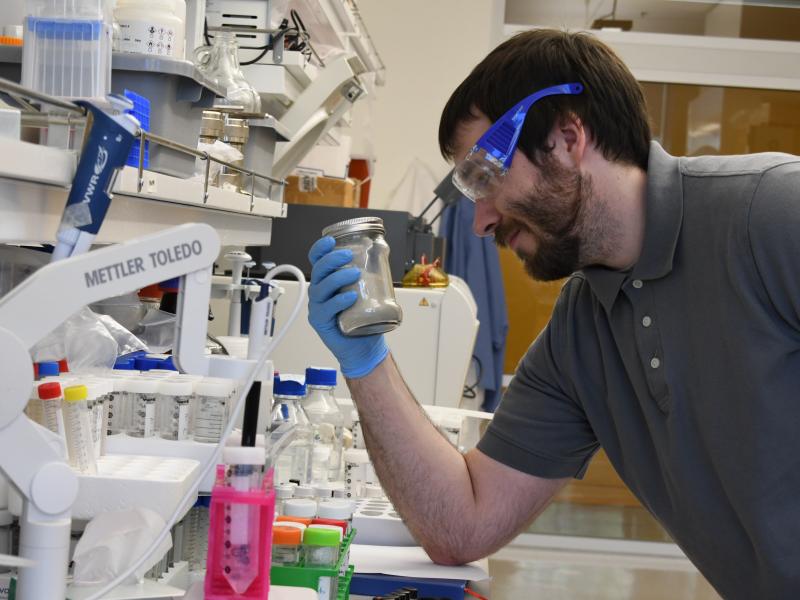
Uncovered the molecular basis of nitric acid speciation across dilute and concentrated solutions and identified competing hydration-shell rearrangements around lanthanide ions at the dilute limit.
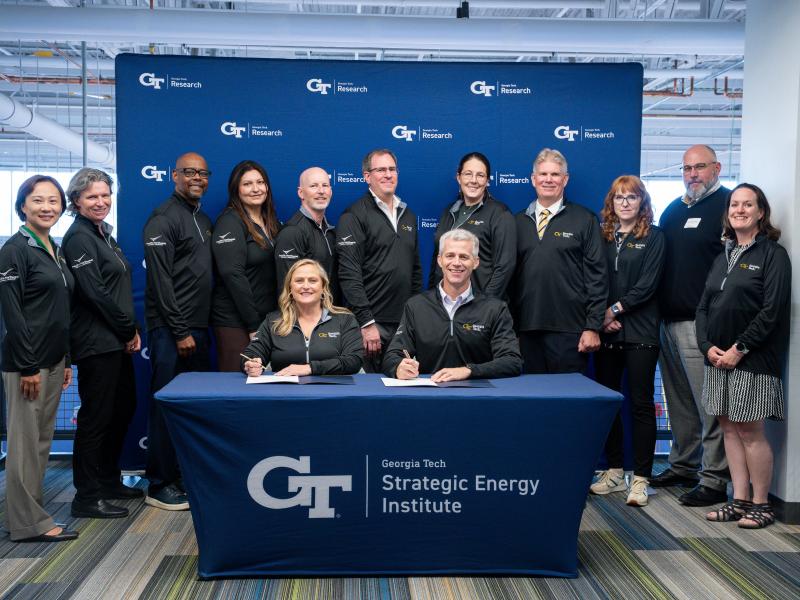
A new memorandum of understanding creates a framework for expanded research, talent development, and technology transfer between Georgia Tech and PNNL.
A new report highlights a public workshop hosted by the National Academies Forum on Microbial Threats and features PNNL's Lauren Charles and the AI-Driven One Health Security program.
A research team from Pacific Northwest National Laboratory used machine reasoning to schedule scientific workflows while guaranteeing quality of service (QoS).
Researchers at PNNL have developed an interpretable, lightweight AI model that can easily predict weld microstructure features using only basic machine sensor inputs.
PNNL researchers highlighted advances in AI for scientific discovery at the AI+ Expo, showcasing generative AI, autonomous research workflows, and scalable AI systems supporting energy, security, and national competitiveness.
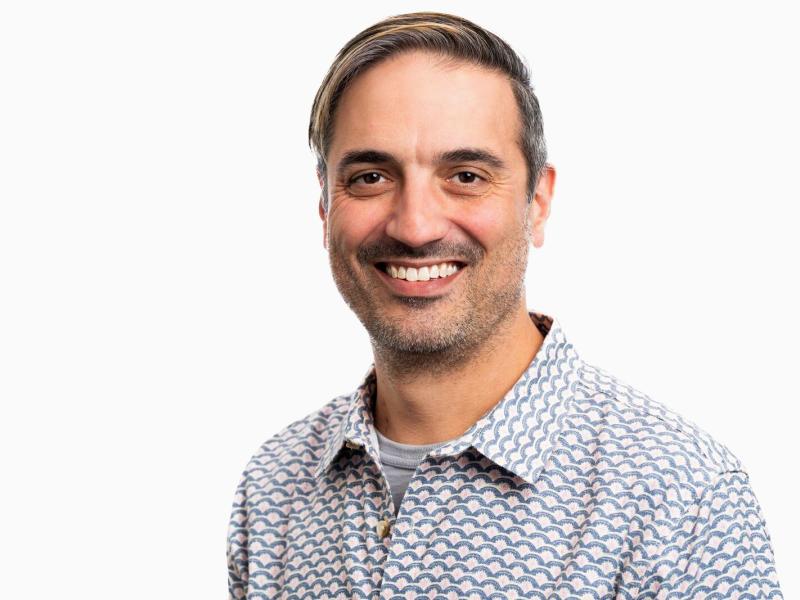
At a geospatial intelligence conference, senior data scientist Adam Attarian participated in a panel discussing how national laboratories are delivering science, technology, and partnerships to enhance modeling, analysis, and innovation.
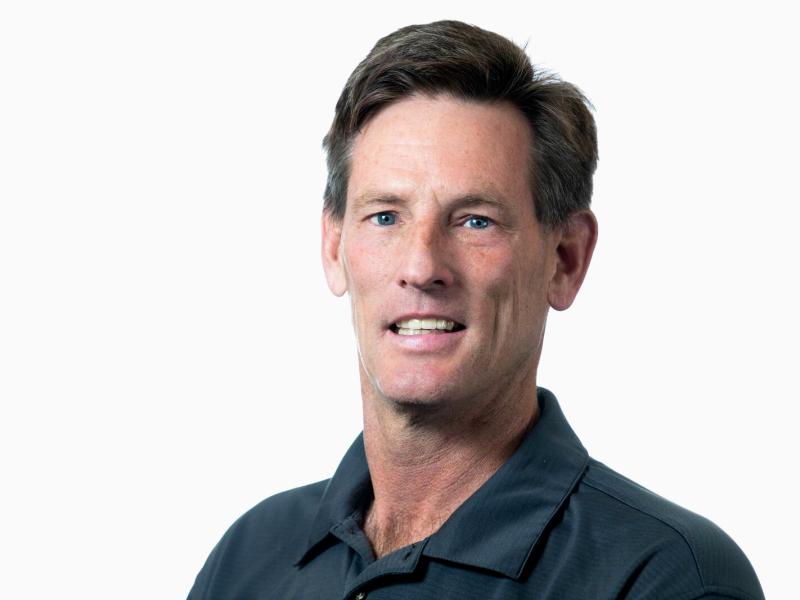
David Wunschel, a chemist and Laboratory Fellow, participated on a panel focused on how emerging technologies are transforming CBRN defense, detection, and response across military and government operations.
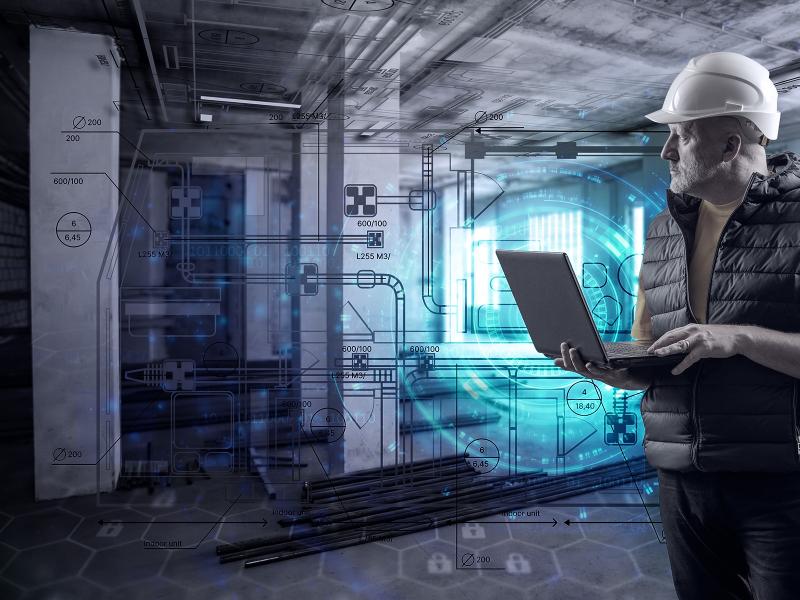
PNNL has developed a next-generation electrical resistivity tomography system for DOE that uses E4D software and AI-enhanced modeling to produce real-time subsurface images that help guide environmental remediation decisions.
Replacing commercial acid with acidic waste enables researchers to improve nickel extraction efficiency, lower projected costs, and improve process economics.
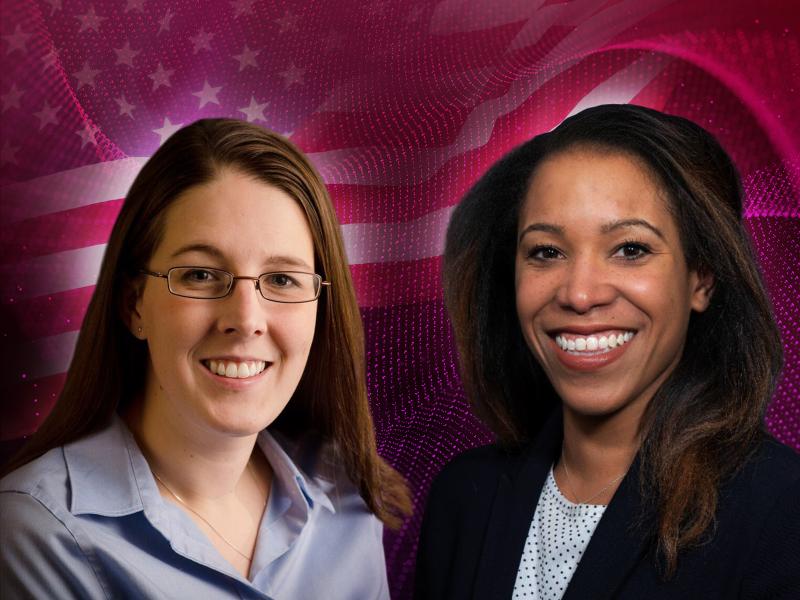
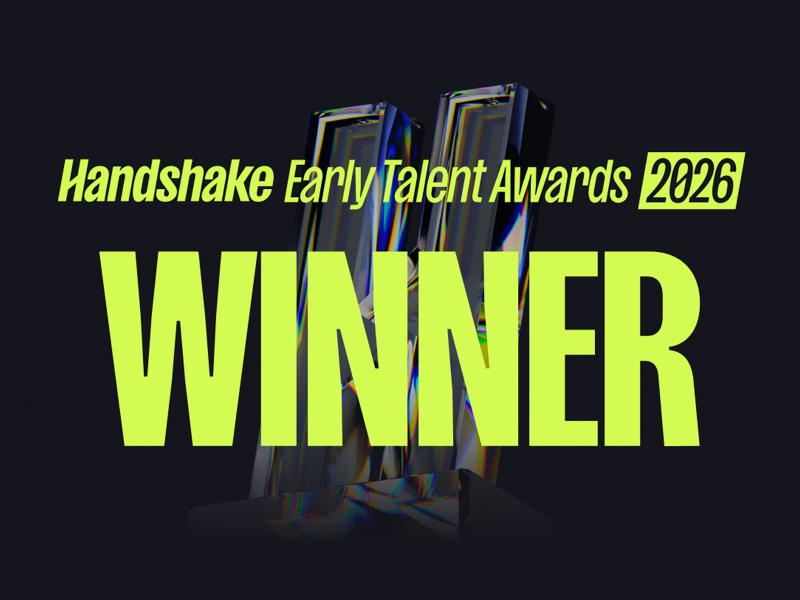
PNNL celebrates its sixth Handshake Early Talent Award, showcasing strong early‑career recruiting. Stories from data scientist Joshua Chong and engineer Alex Smith highlight journeys from different career paths to PNNL.