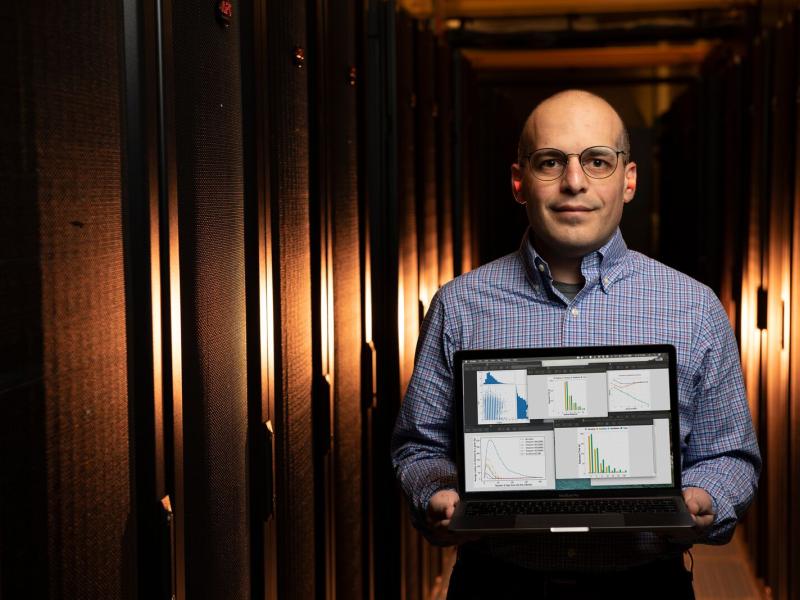
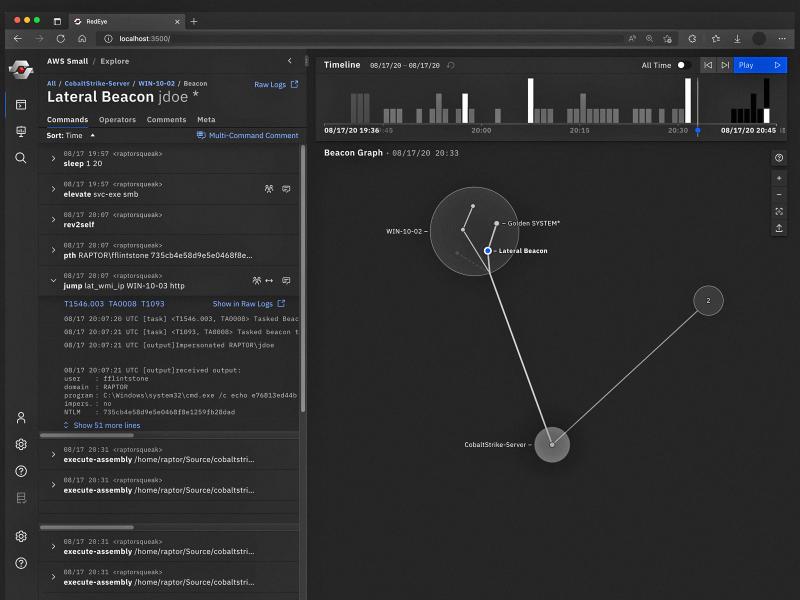
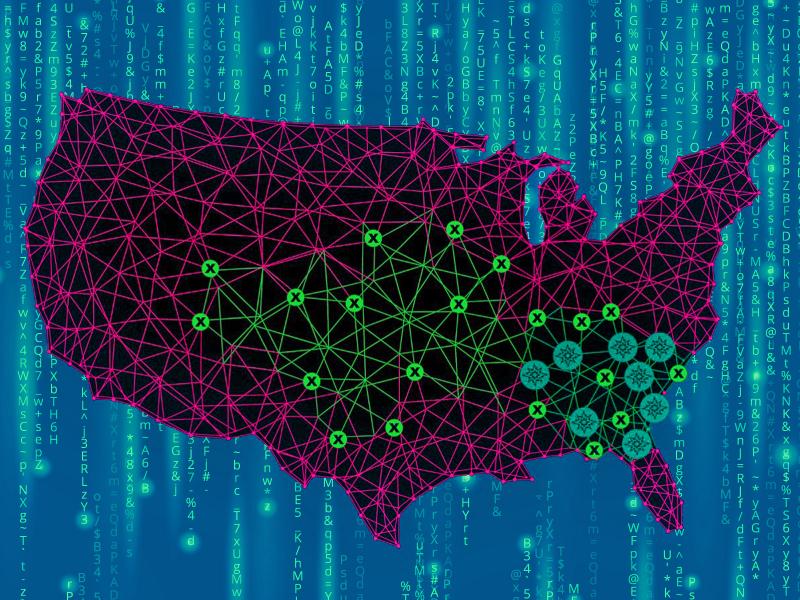
Ripples demonstration will take place at the DOE booth at the International Conference for High Performance Computing, Networking, Storage, and Analysis.
PNNL researchers helped design and conduct an international exercise hosted by the Ministry of Finance of Finland to help improve financial sector resilience.
Scientists at PNNL were awarded nearly $12 million to better understand pathogens, how they spread, and how to prepare the nation against future outbreaks.
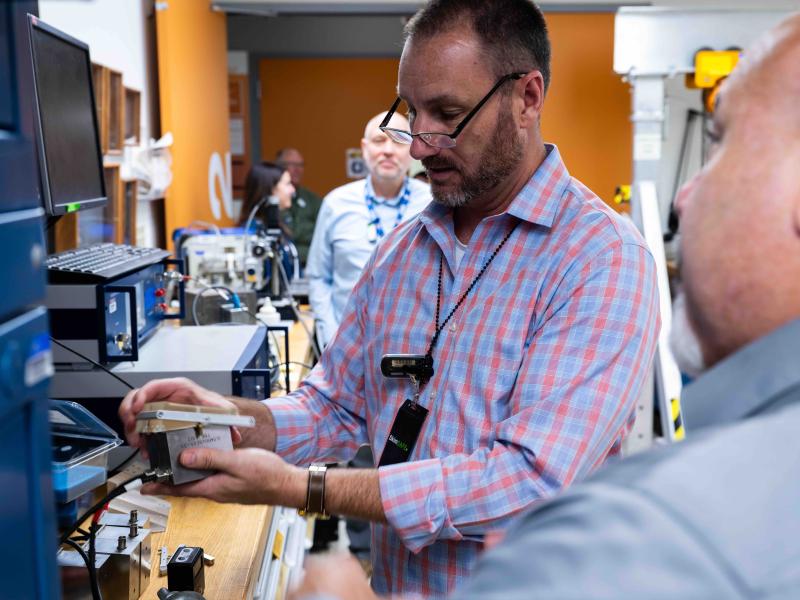
Bradley Crowell with the U.S. Nuclear Regulatory Commission sees advanced materials integrity, radiological measurement, and environmental capabilities on his first visit to PNNL.
The Forefront23 workshop convened researchers, scientists, and engineers who are just that: at the forefront of cybersecurity and nuclear nonproliferation.
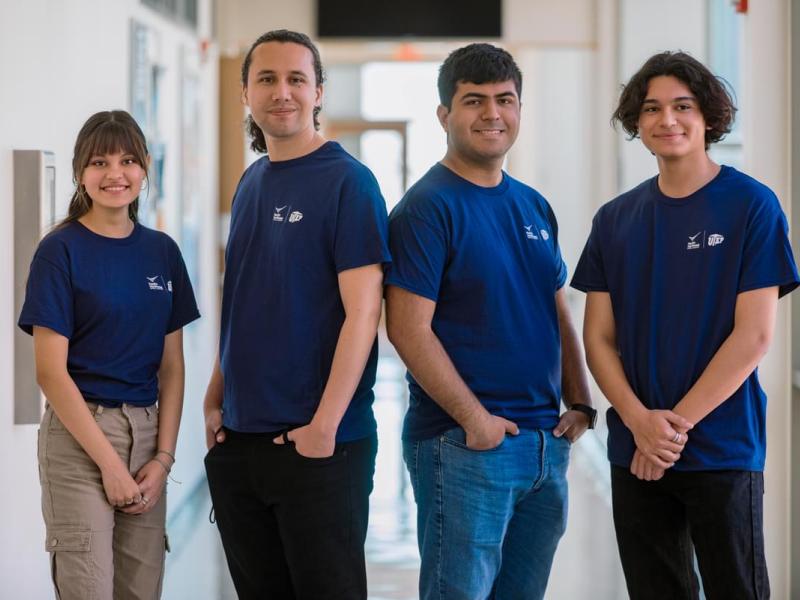
Based on the early success of CHIRP and the urgency to build the future cybersecurity workforce, the program recently received five million dollars in funding through the FY23 Defense Appropriations Bill, via SSC.
The Public Infrastructure Security Cyber Education System is a university-community-nonprofit collaboration changing cyber education and cybersecurity.
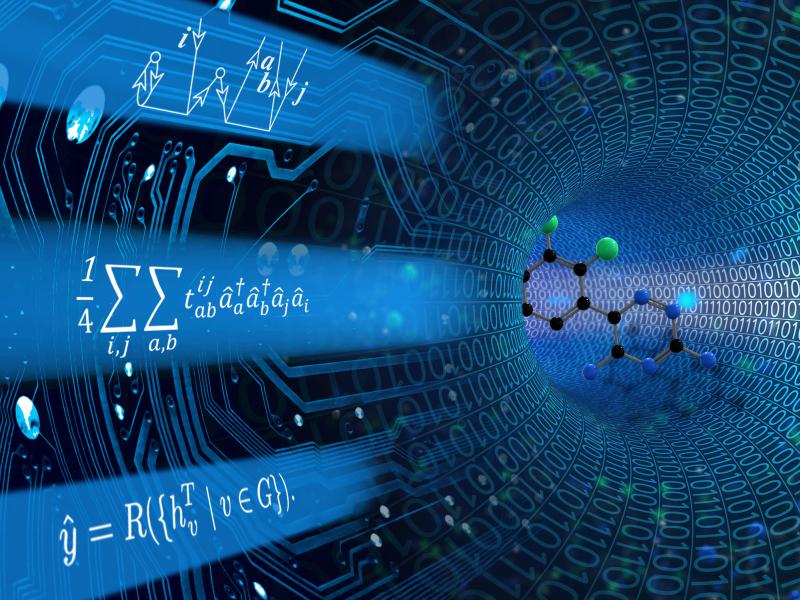
PNNL researchers developed a hybrid quantum-classical approach for coupled-cluster Green’s function theory that maintains accuracy while cutting computational costs.
New mathematical tools developed at PNNL hold promise to transform the way we operate and defend complex cyber-physical systems, such as the power grid.
Contributions from researchers across Pacific Northwest National Laboratory (PNNL) were recently recognized in the preliminary findings of a Secretary of Energy Advisory Board (SEAB) report.