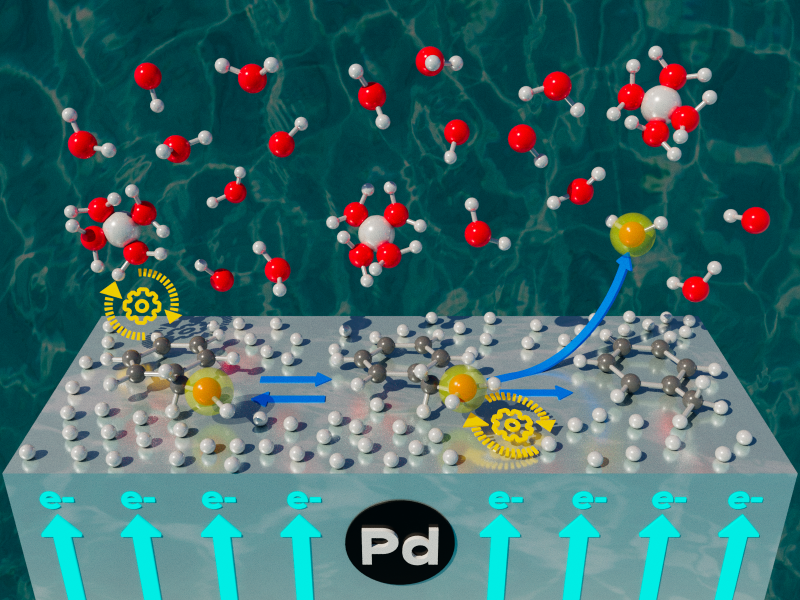
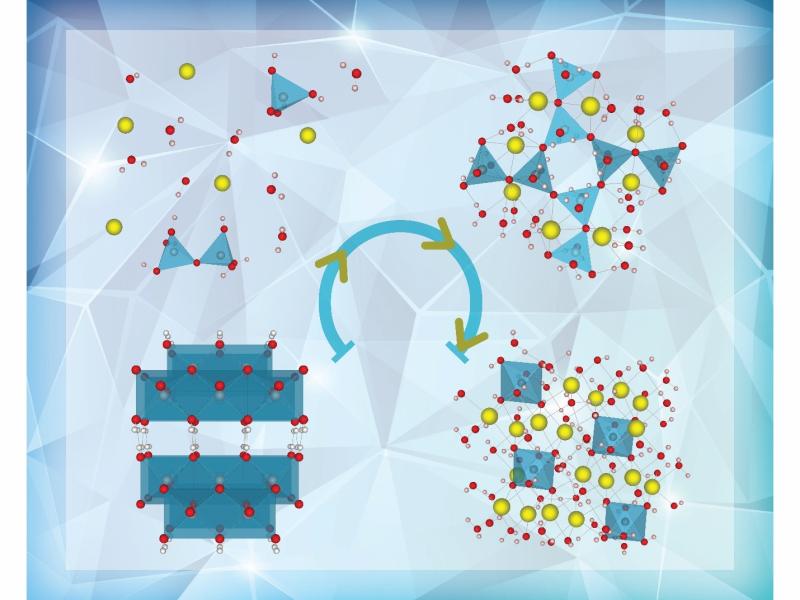
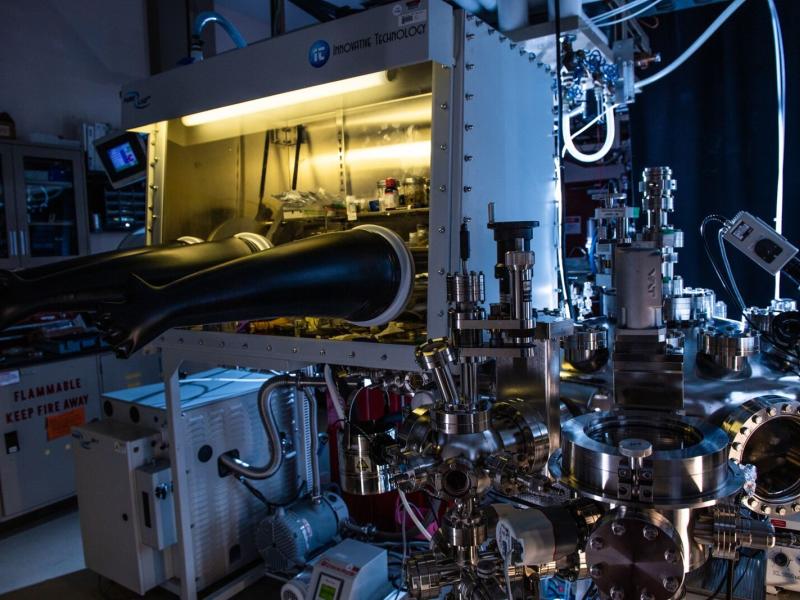
PNNL research, featured on the cover of two science journals, describes advancements in using Raman spectrometry for Hanford Site nuclear waste remediation.
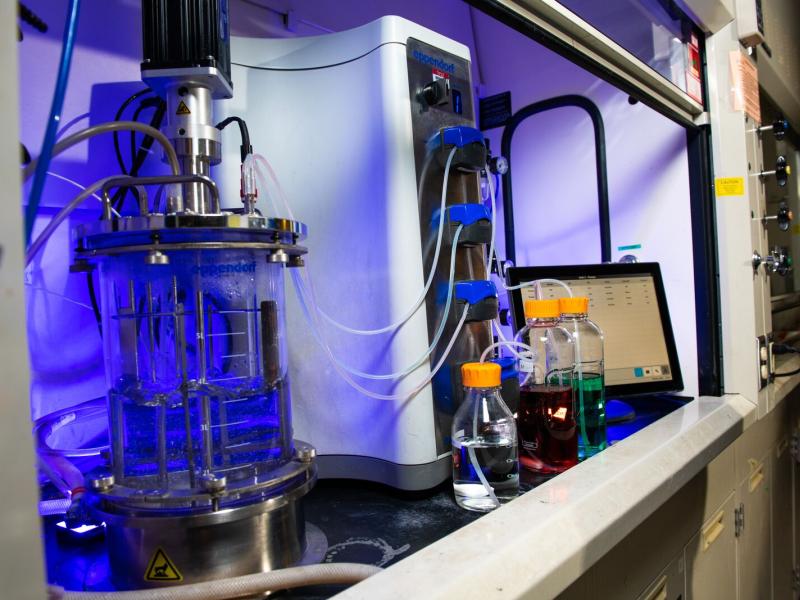
Secondary organic aerosol formation from monoterpenes is more strongly influenced by oxidant and monoterpene structure than by nitric oxides and hydroperoxy radical concentrations.
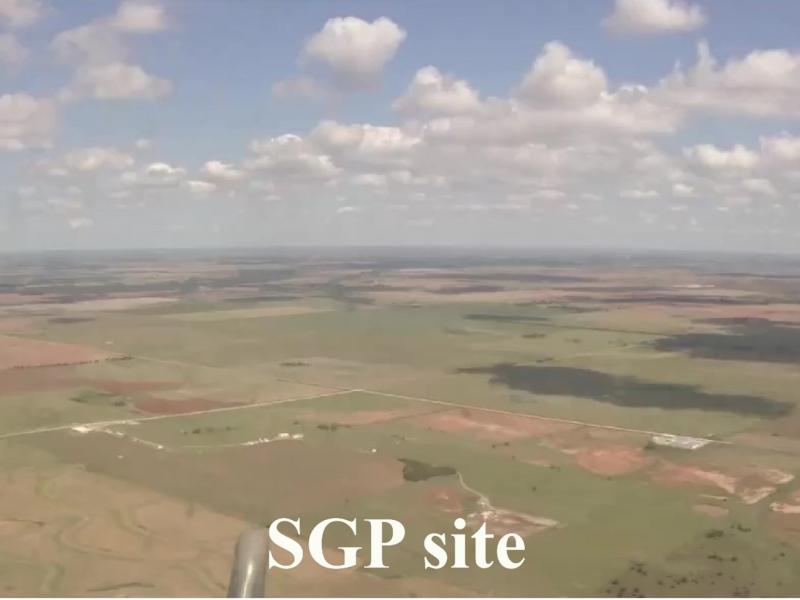
Repeated aircraft measurements over central Oklahoma allow researchers to better understand the spatial variability of aerosol properties that affect cloud evolution.
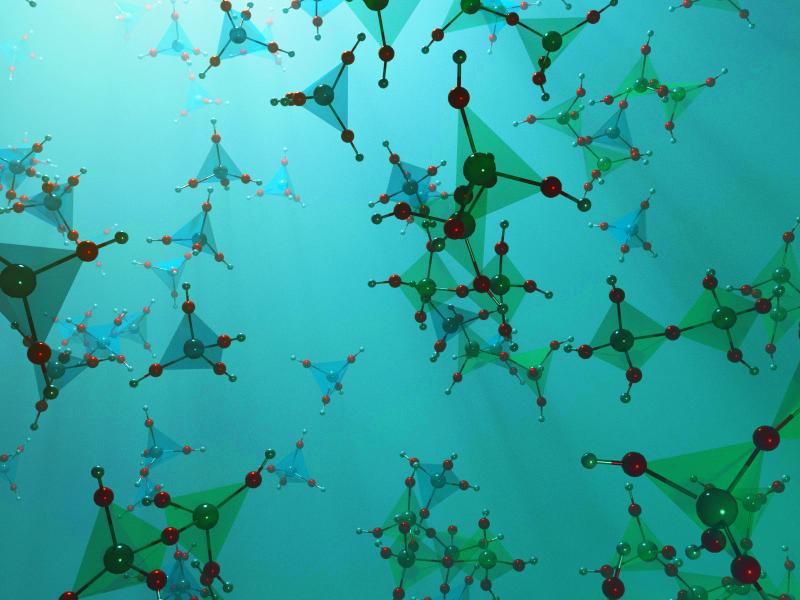
Developing a new understanding of the structure of natrophosphate, a complex mineral found in radioactive tank waste at the Hanford Site, by integrating experimental techniques.
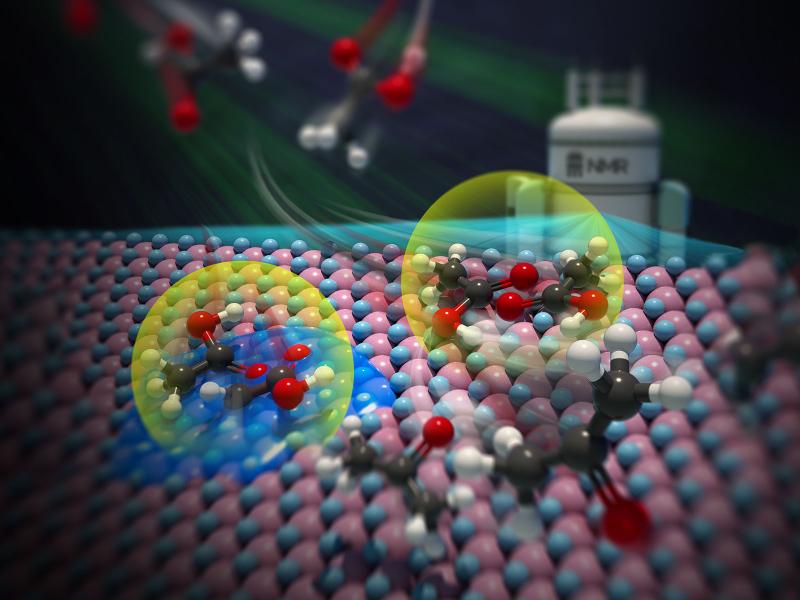
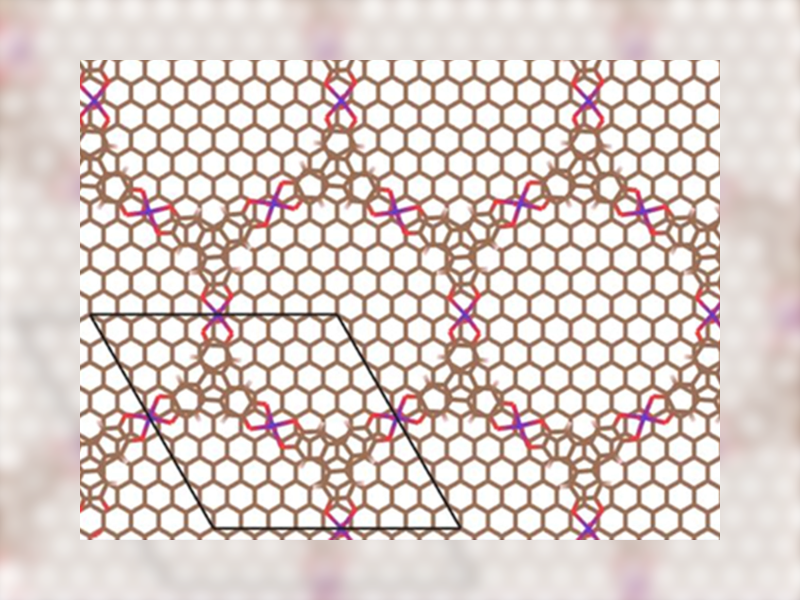
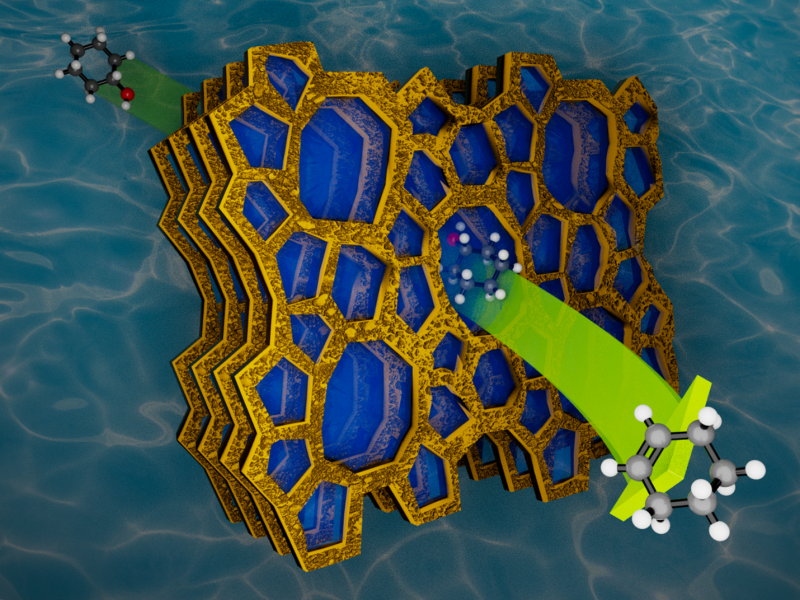
Newly funded research will look at the underlying science of controlling hydrogen interactions with two-dimensional materials composed of carbon, boron, and nitrogen.
The Earth system model aerosol-cloud diagnostics package version 1 uses aircraft, ship, and surface measurements to evaluate simulated aerosols in an Earth system model.