Randomly constructed neural networks can learn how to represent light interacting with atmospheric aerosols accurately at a low computational cost and improve climate modeling capabilities.
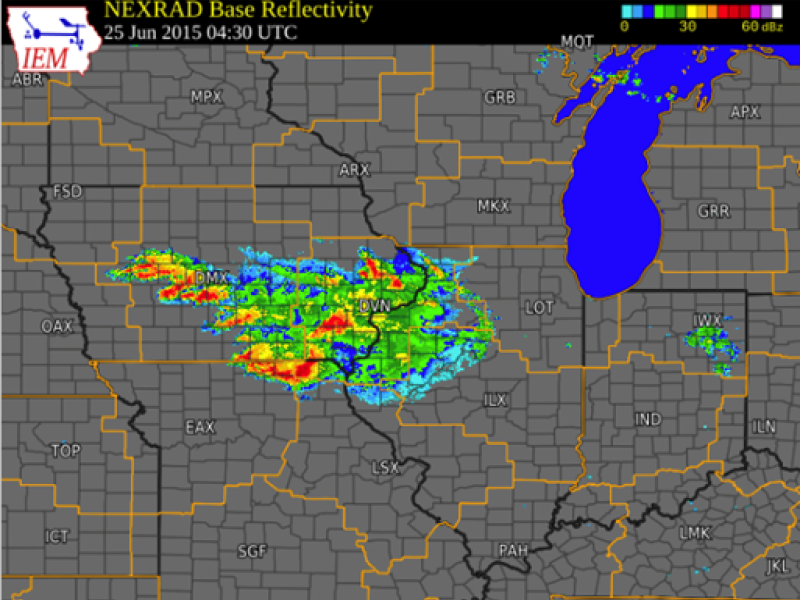
Assessing observed weather conditions that support or suppress the growth of clouds into deep precipitating storms during the Cloud, Aerosol, and Complex Terrain Interactions experiment.
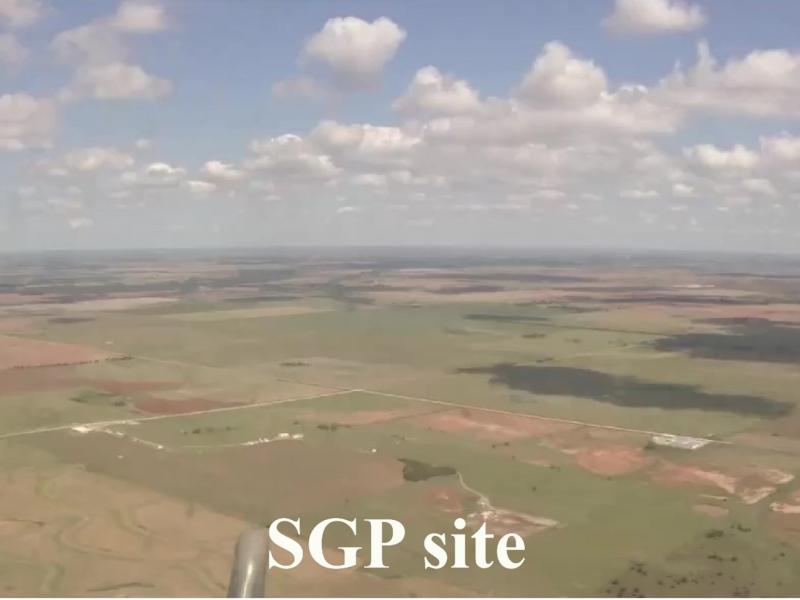
Performing closure studies using aerosol size, aerosol composition, and cloud condensation nuclei measurements of mixed aerosol from the Southern Great Plains region.
Secondary organic aerosol formation from monoterpenes is more strongly influenced by oxidant and monoterpene structure than by nitric oxides and hydroperoxy radical concentrations.
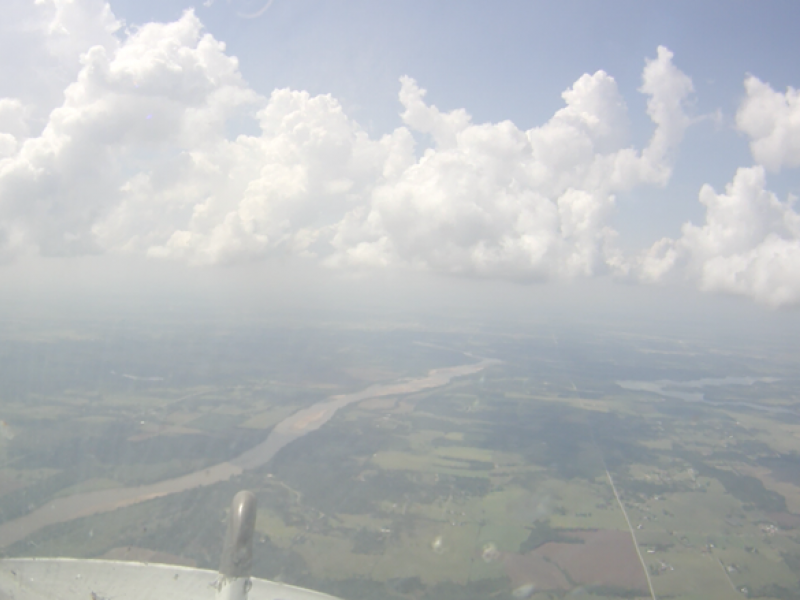
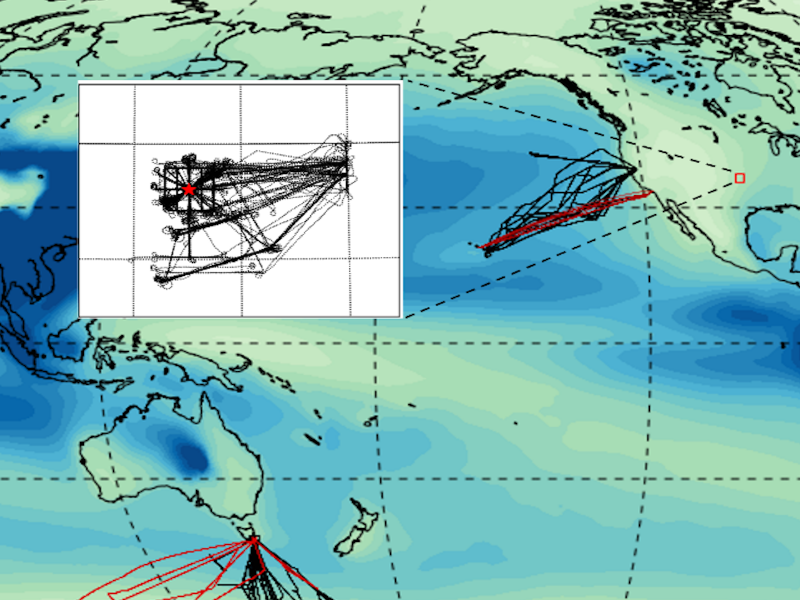
Repeated aircraft measurements over central Oklahoma allow researchers to better understand the spatial variability of aerosol properties that affect cloud evolution.
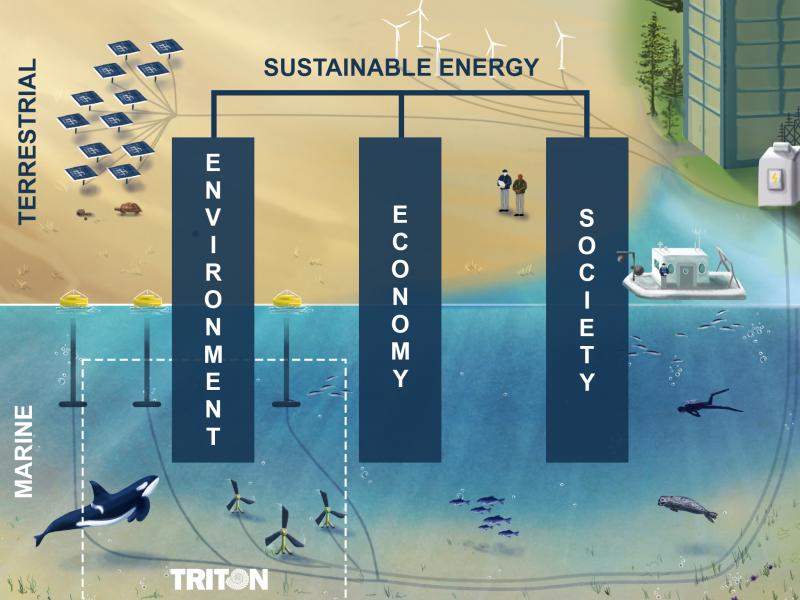
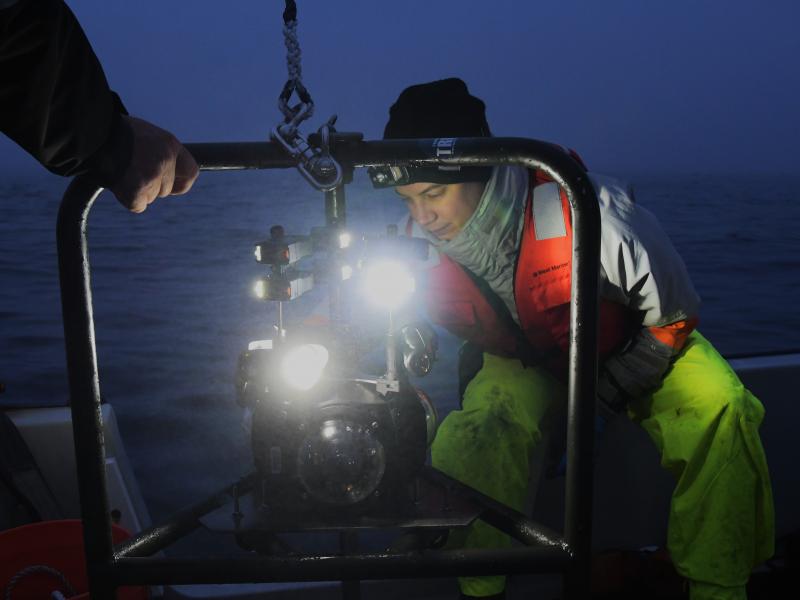
A Triton Story highlights the Triton Initiative's holistic marine energy environmental monitoring research, including considerations for energy sustainability and life cycle assessment next steps.
The Earth system model aerosol-cloud diagnostics package version 1 uses aircraft, ship, and surface measurements to evaluate simulated aerosols in an Earth system model.
The Triton Initative discusses special issue publications from the Triton Field Trials on environmental monitoring recommendations for marine energy applications.