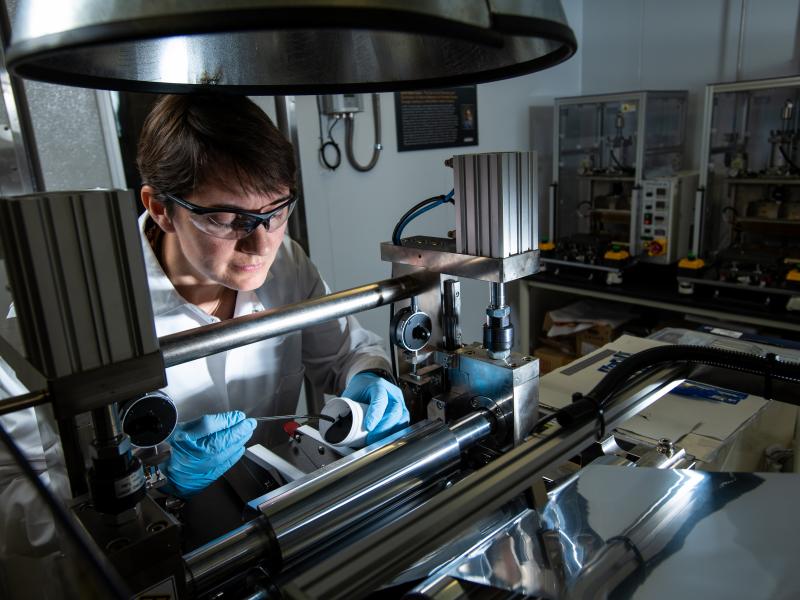
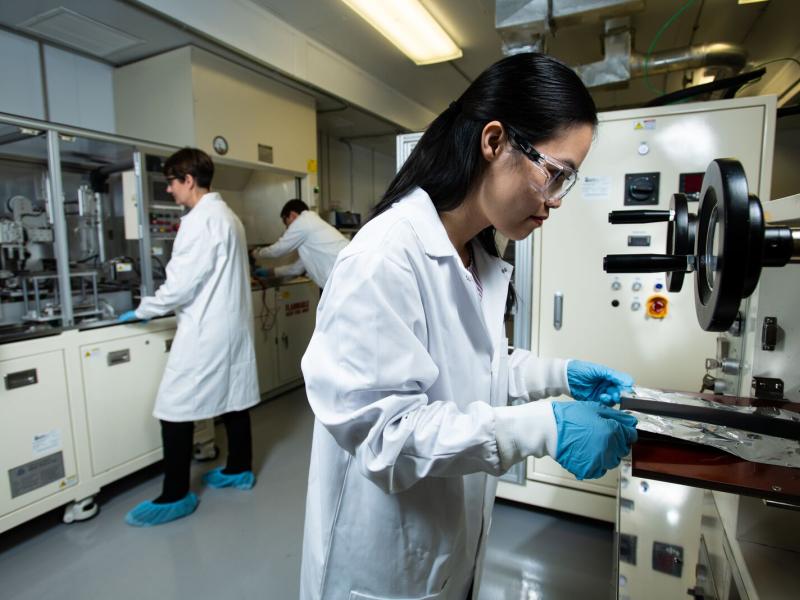
A Helios Hydra UX DualBeam, which utilizes a plasma focused ion beam and scanning electron microscope for sample preparation and analysis, was installed at the Grid Storage Launchpad.
The Sodium-ion Alliance for Grid Energy Storage, led by PNNL, is focused on demonstrating high-performance, low-cost, safe sodium-ion batteries tested for real-world grid applications.
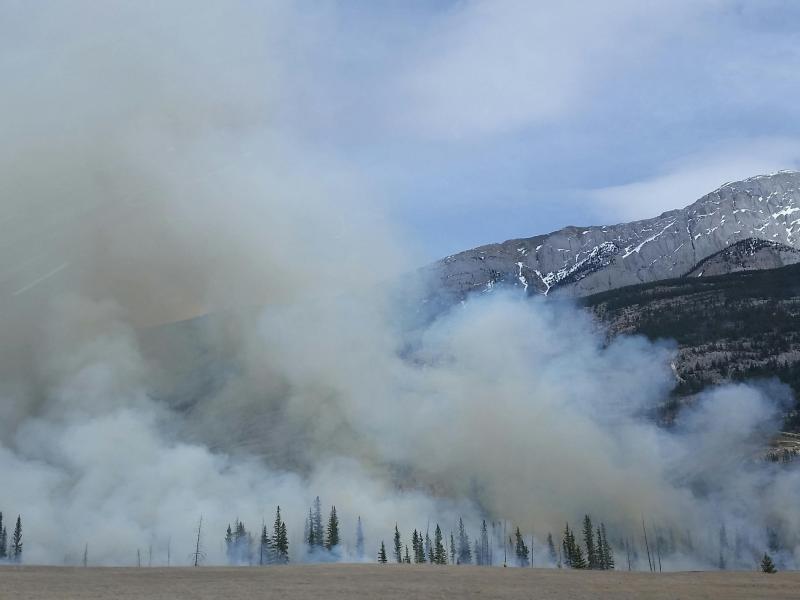
Pyrocumulonimbus clouds are increasing in frequency as large wildfires become more prevalent in a warming climate. These clouds can inject smoke particles into the atmosphere, where they can remain suspended for several months.
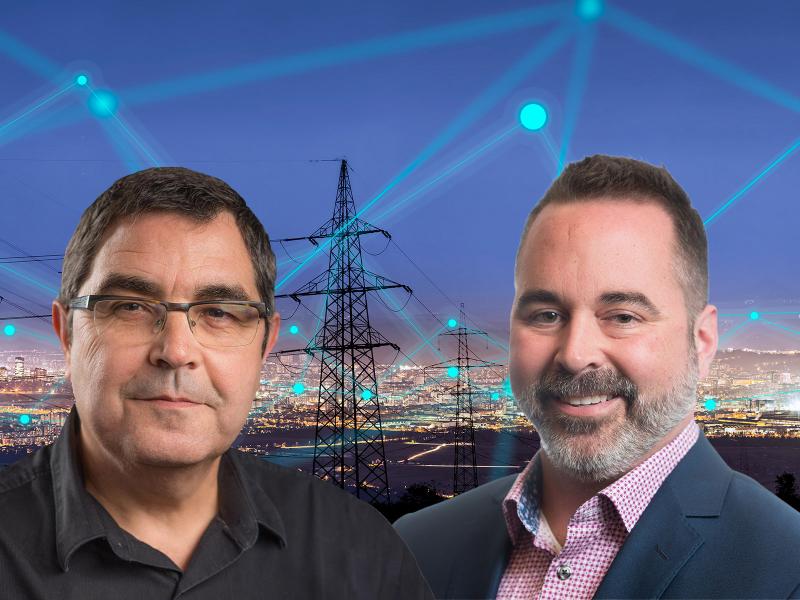
Three PNNL-supported projects are at the forefront of developing advanced data analytics technologies to enhance the U.S. power grid’s reliability, resilience, and affordability.
Using numerical simulations to reproduce the laboratory experiments, this study reveals that liquid droplets are present near the bottom surface, which warms and moistens the air in the chamber.
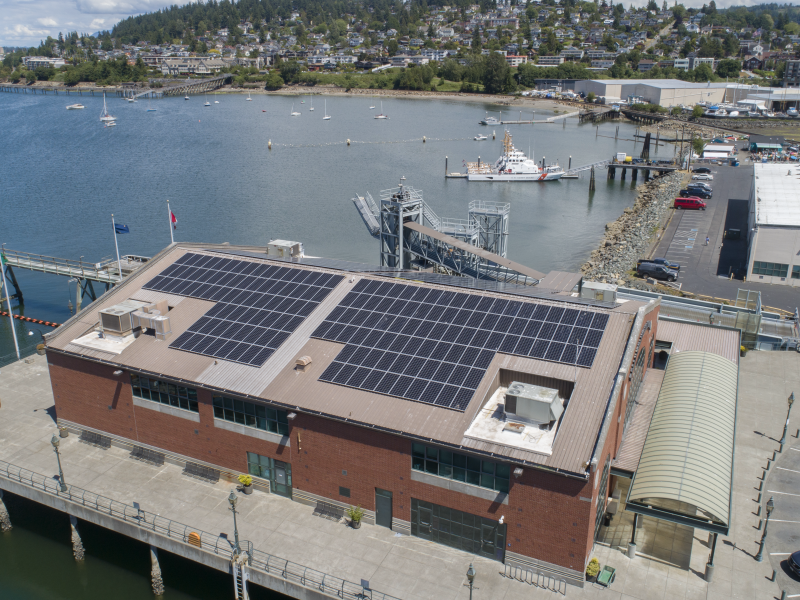
The Grid Storage Launchpad dedication event was attended by leaders in grid and transportation energy storage, battery innovation, and industry stakeholders working to transform America’s energy system.
Erich Hsieh, Deputy Assistant Secretary for OE’s Energy Storage Division, shared insights about the Grid Storage Launchpad and energy storage innovations .
PNNL and collaborators developed new models—recently approved by the U.S. Western Electricity Coordinating Council (WECC)—to help utilities understand how new grid-forming inverter technology will enhance grid stability.
Researchers show how satellite observations from the MODerate Resolution Imaging Spectroradiometer and CloudSat radar can be used to constrain the ACI radiative forcing that is linked to droplet collection in marine liquid clouds.
PNNL computing experts Robert Rallo and Court Corley contribute their knowledge to a recent DOE report on applications of AI to energy, materials, and the power grid.
The world is becoming reliant on increasingly smaller sensors that improve daily life in many ways. A PNNL-led paper takes a closer look at these technologies and their future development for environmental and sensitive species monitoring.
Researchers devised a quantitative and predictive understanding of the cloud chemistry of biomass-burning organic gases helping increase the understanding of wildfires.