Mega AI seeks to develop massive-scale, self-supervised, multimodal foundation models of scientific knowledge capable of general-purpose inferences to enable reasoning with existing knowledge and discovery of new knowledge.
Physics-informed machine learning (PIML) is a modeling approach that harnesses the power of machine learning and big data to improve the understanding of coupled, dynamic systems.
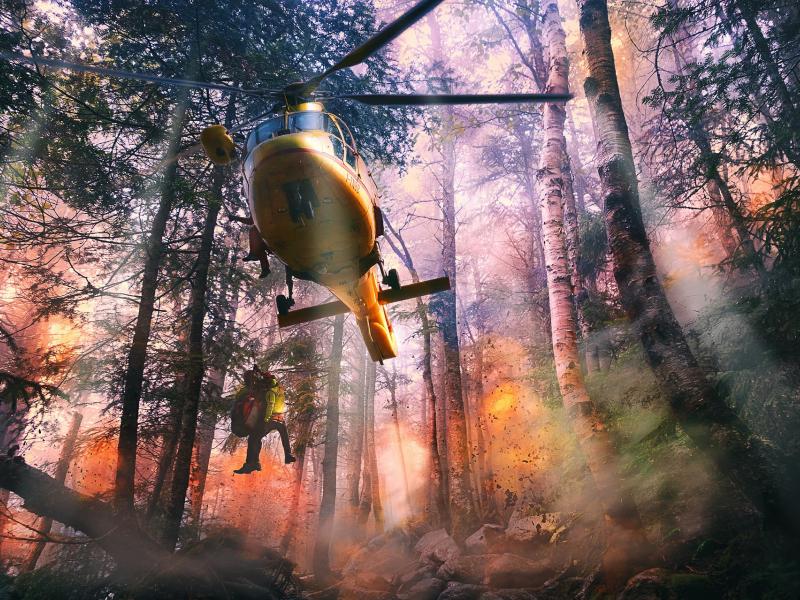
PNNL combines AI and cloud computing with damage assessment tools to predict the path of wildfires and quickly evaluate the impact of natural disasters, giving first responders an upper hand.
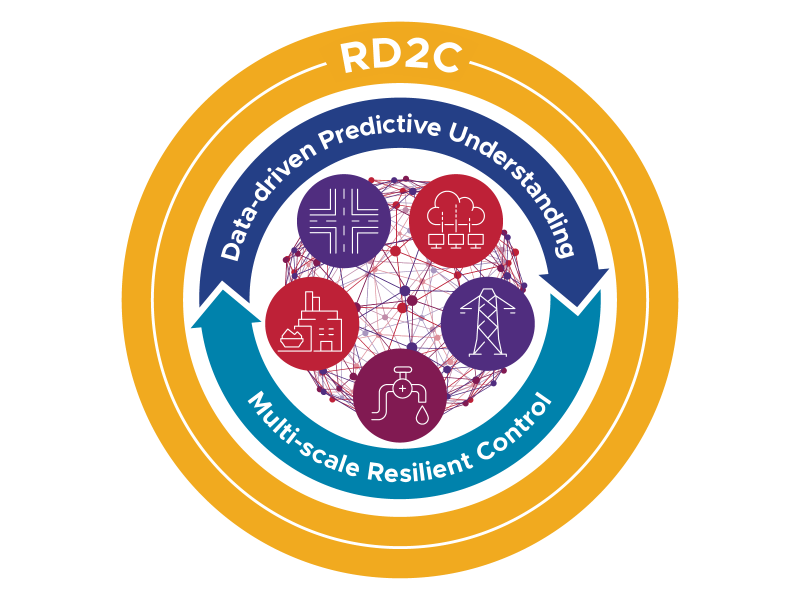
The RD2C laboratory-directed research initiative seeks to develop resilient, adaptive, and intelligent sensing and control algorithms through the observational understanding and characterization of CPSs under adverse conditions.
The Scalable, Efficient and Accelerated Causal Reasoning Operators, Graphs and Spikes for Earth and Embedded Systems (SEA-CROGS) Center is a collaborative effort that advances scalable and efficient physics-informed machine intelligence.
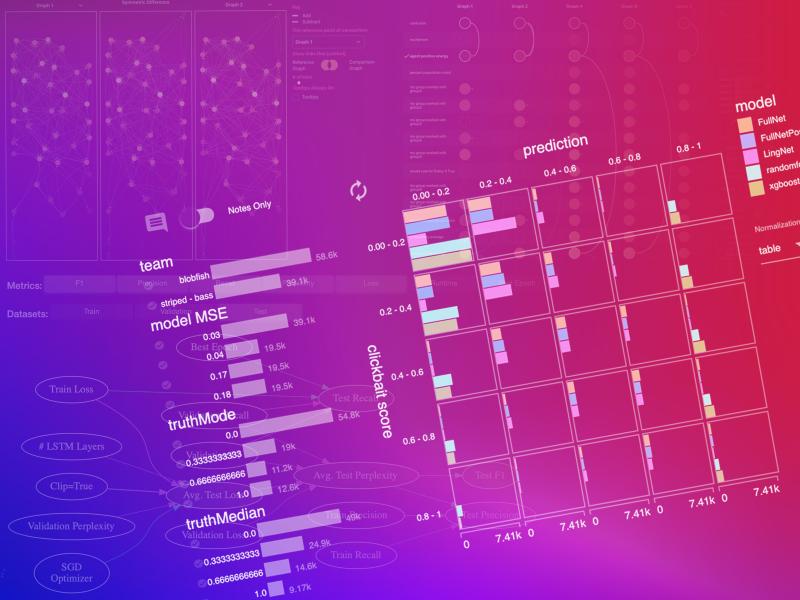
PNNL has developed a tool suite of interactive analytics that can be rapidly integrated into analyst workflows to empirically analyze and gain qualitative understanding of AI model performance jointly across dimensions.
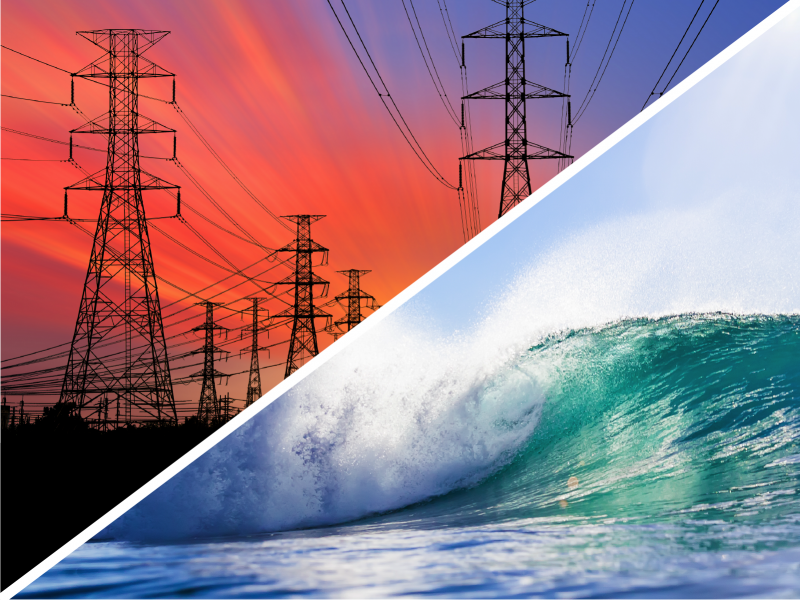
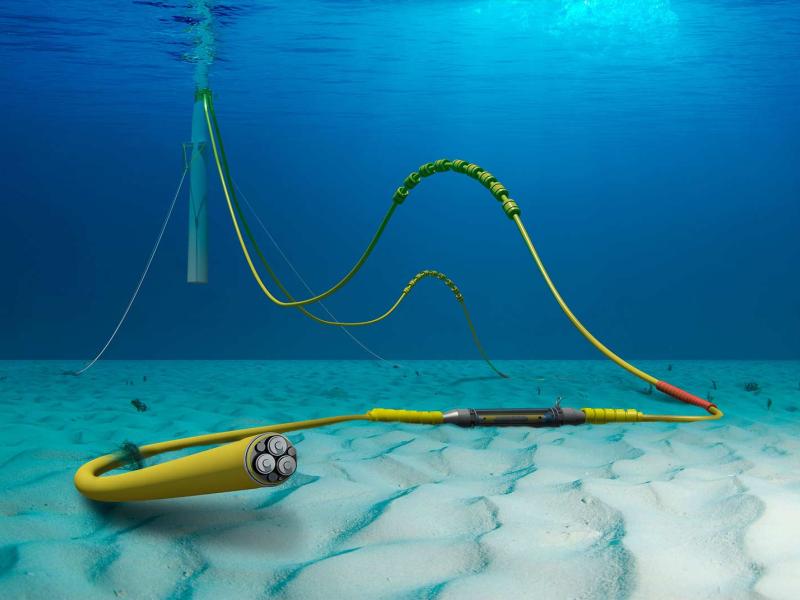
Pacific Northwest National Laboratory and National Renewable Energy Laboratory conducted a two-year study to investigate the potential of floating offshore wind to help meet growing energy needs on the U.S. West Coast.