From developing new energy storage materials to revealing patterns of Earth’s complex systems, studies led by PNNL researchers are recognized for their innovation and influence.
David Heldebrant was selected for the 2025 Distinguished Service Award from the American Chemical Society Division of Energy & Fuels, recognizing his impact to energy and fuels chemistry.
Dušan Veličković, a PNNL mass spectrometry imaging scientist received a $2.1 million grant to develop techniques to understand how changes in carbohydrate structure affect human health.
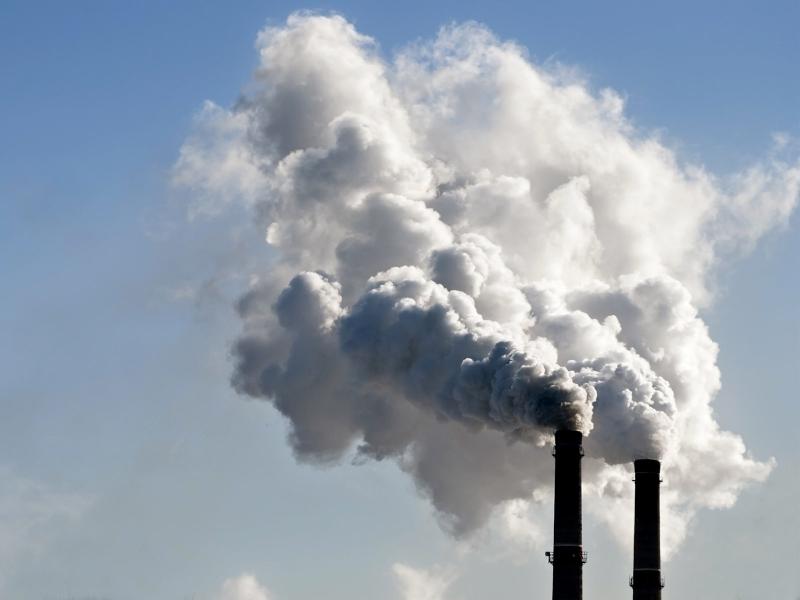
CO2 separation is key for natural gas purification, but conventional techniques are high-emission processes. New research reveals a novel, doubly segmented, CO2-selective membrane that increases CO2 permeability and reduces emissions.
Ampcera has an exclusive licensing agreement with PNNL to commercially develop and license a new battery material for applications such as vehicles and personal electronics.
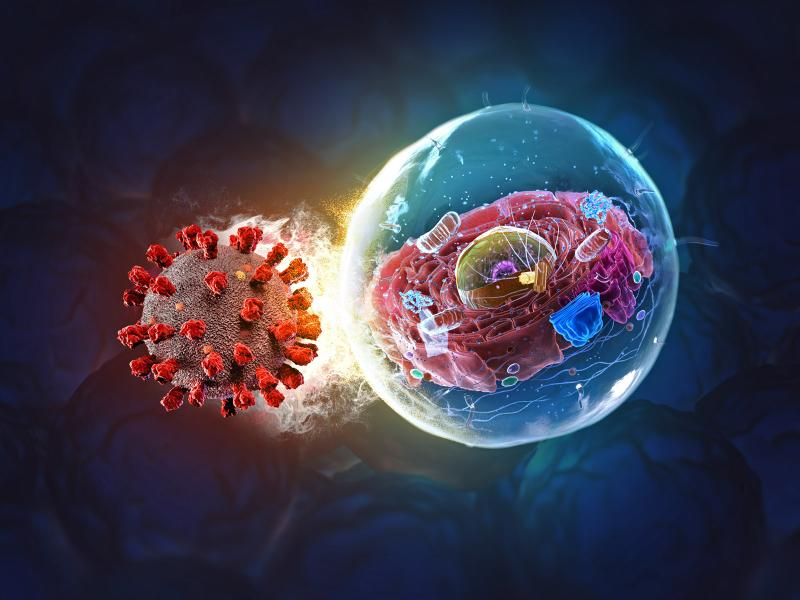
Over the next four years, PNNL and University of Arizona will develop open-source computational tools to better identify and characterize the viruses associated with the human microbiome.
Researchers developed a robust, cost-effective, and easy-to-use cap-based technique for spatial proteome mapping, addressing the lack of accessible proteomics technologies for studying tissue heterogeneity and microenvironments.
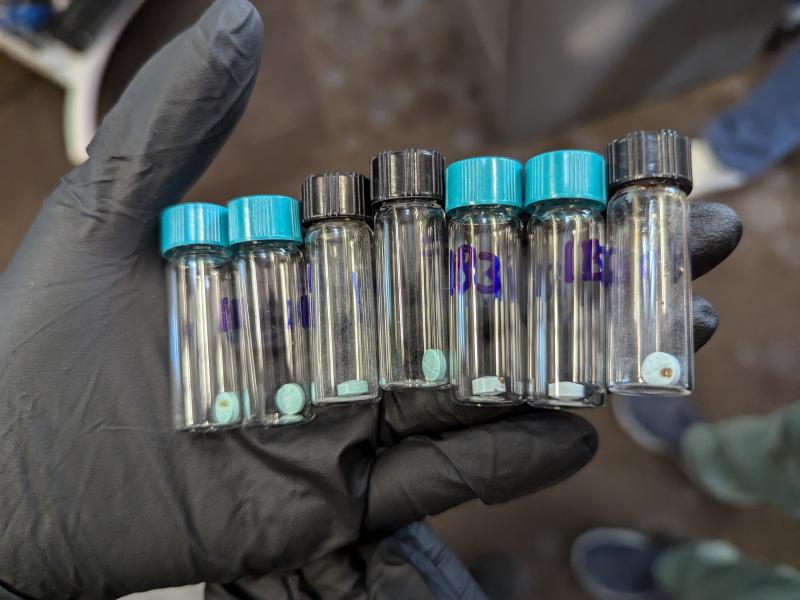
Led by interns from multiple DOE programs, a newly expanded dataset allows researchers to use easy-to-obtain measurements to determine the elemental composition of a promising carbon storage mineral.
A multi-institutional team of researchers systematically compared extraction techniques for characterizing plant litter composition that relies on organic matter extraction.