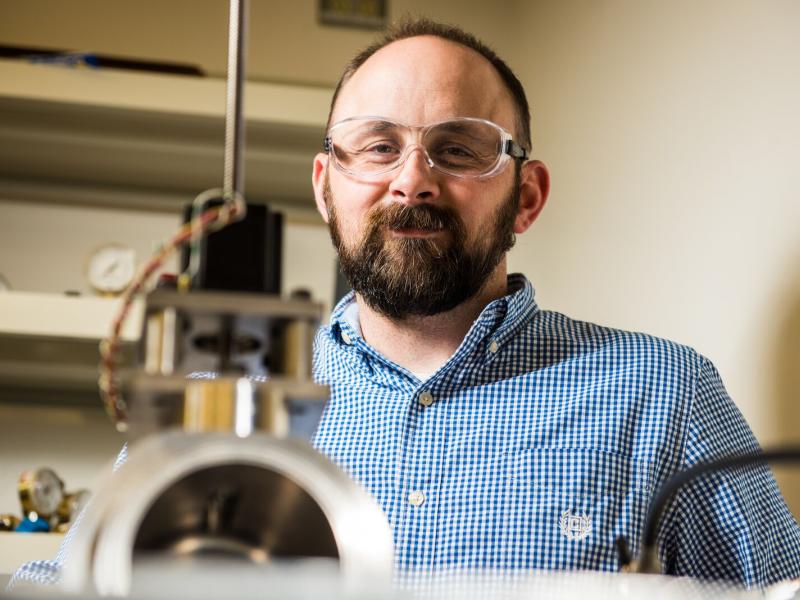
Frederick Day-Lewis, Lab Fellow and chief geophysicist at PNNL, was named the 2024 recipient of the Geological Society of America Public Service Award.
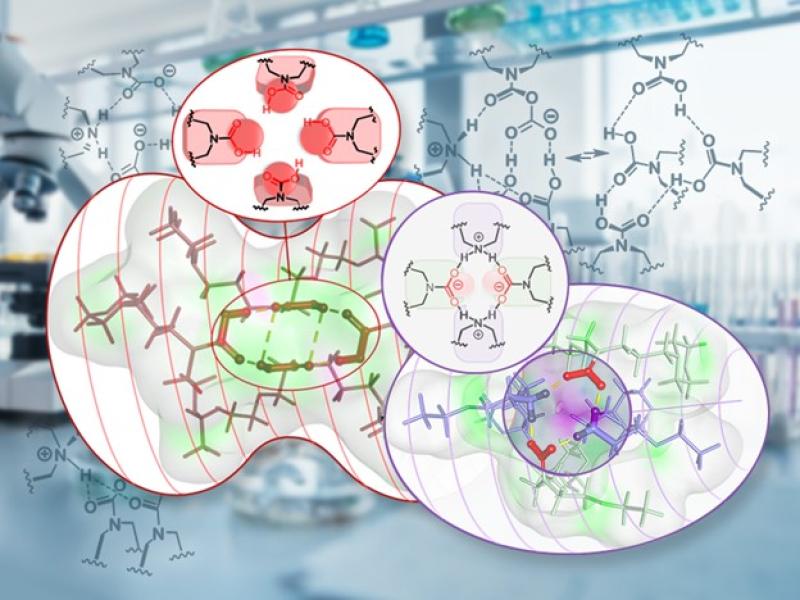
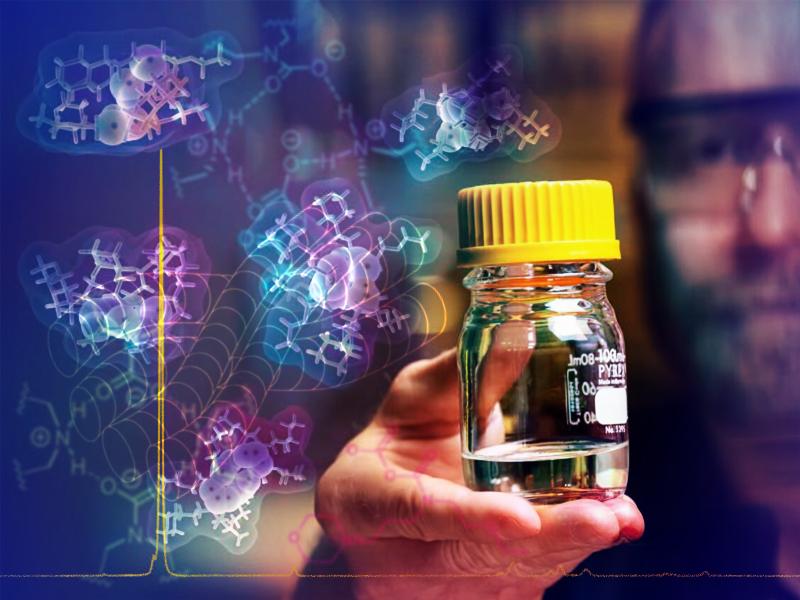
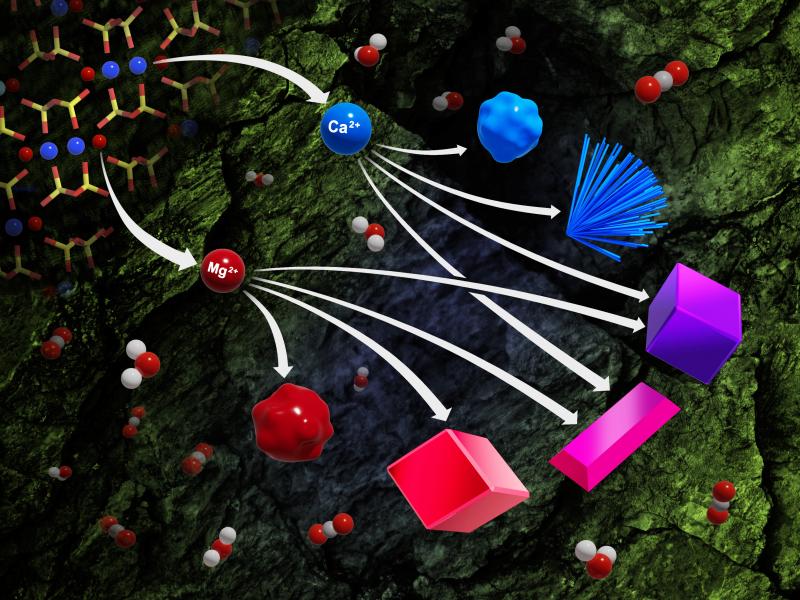
New research investigating water-lean solvents for carbon dioxide capture identifies the unique chemistry possible with their use, may lead to new design principles that move beyond single carbon capture.
Data scientist at PNNL receives the Environmental and Engineering Geophysical Society and Geonics Limited Early Career Award for work with geophysical modeling and subsurface inversion codes.
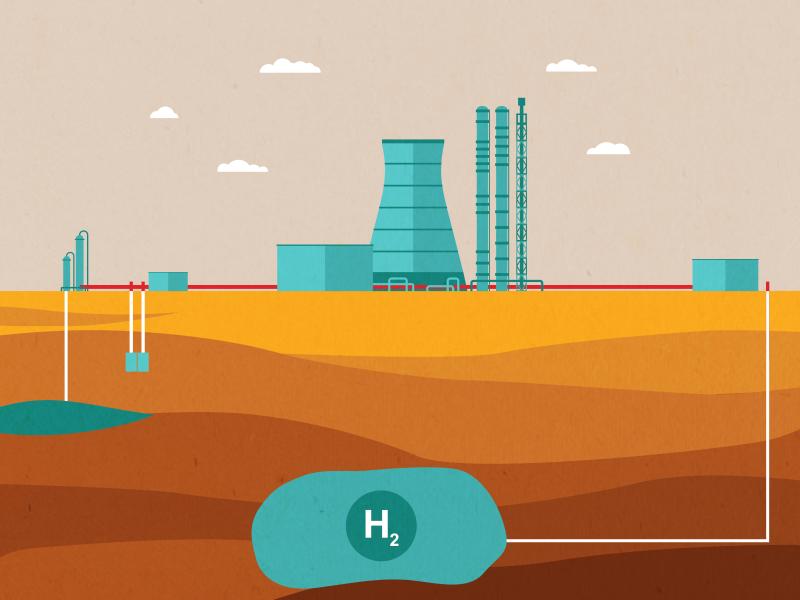
The SHASTA program is doing a deep dive on subsurface hydrogen storage in underground caverns, helping to lay the foundation for a robust hydrogen economy.
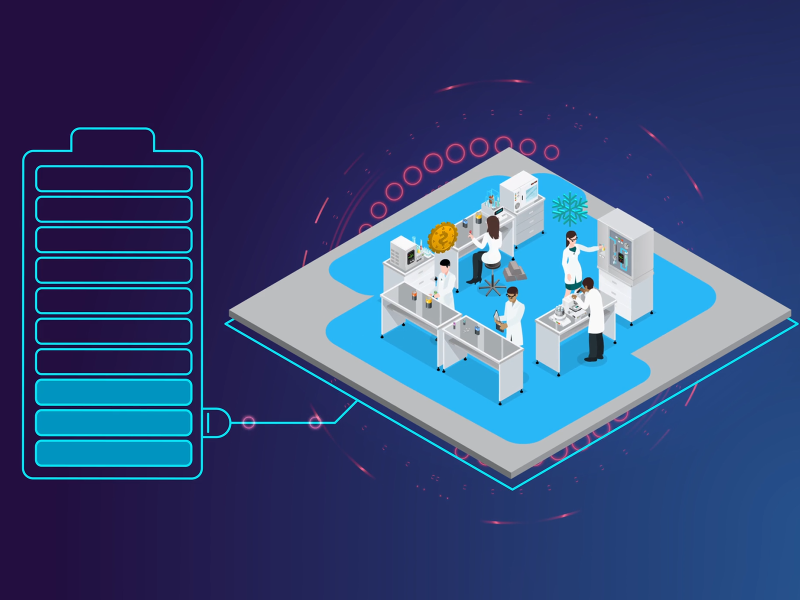
In 2006, battery research was practically non-existent at PNNL. Today, the lab is lauded for its battery research. How did PNNL go from a new player to a leader in state-of-the-art storage for EVs and the grid?
An energy expert and economist who has played a leading role in formulating and coordinating U.S. climate policy is the new director of the Joint Global Change Research Institute in College Park, Maryland.
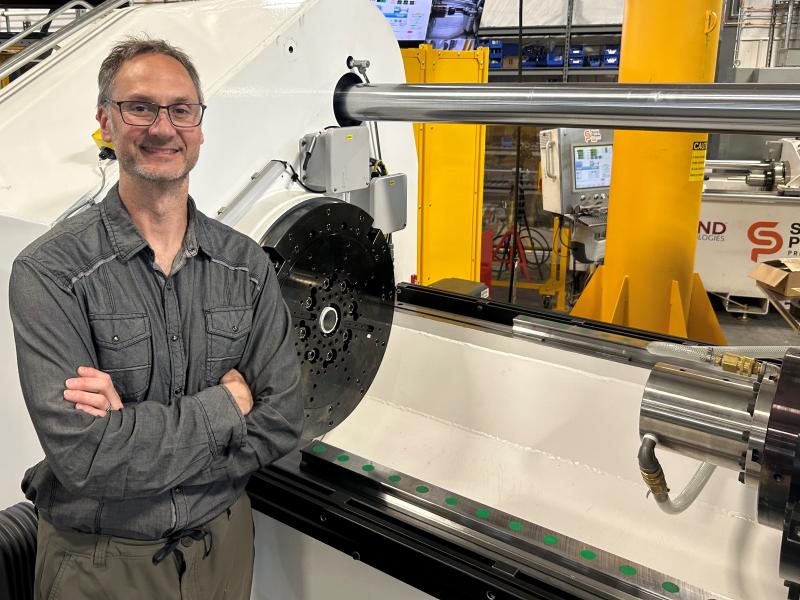
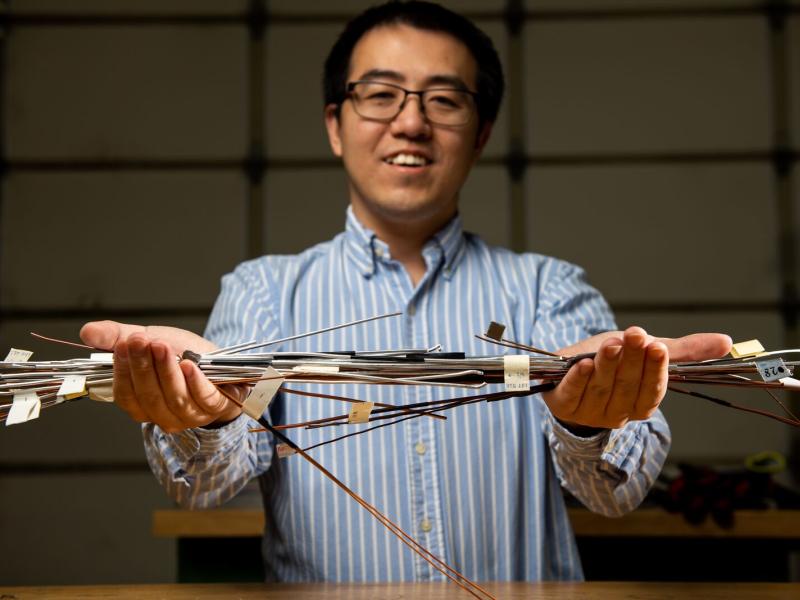
A newly developed, highly conductive copper wire could find applications in the electric grid, as well as in homes and businesses. The finding defies what's been thought about how metals conduct electricity.
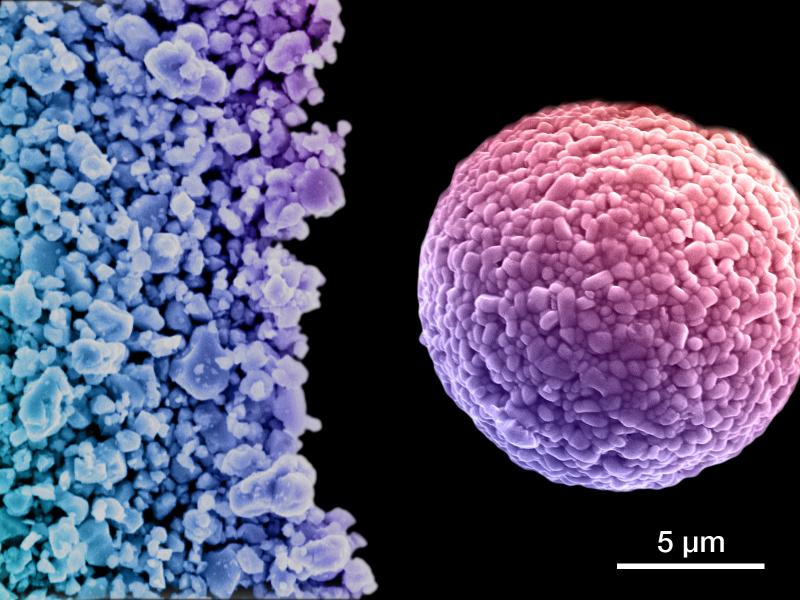
A seemingly simple shift in lithium-ion battery manufacturing could pay big dividends, improving electric vehicles’ ability to store more energy per charge and to withstand more charging cycles.
Department of Energy’s Advanced Research Projects Agency-Energy selects PNNL project to help accelerate the development of marine carbon dioxide removal technologies.
Soil is a massive reservoir of carbon, holding three times the amount of carbon than in the atmosphere. Soil is a massive reservoir of carbon, holding three times the amount of carbon than in the atmosphere.
The Department of Energy’s Vehicle Technologies Office recently issued two awards to researchers at PNNL for their contributions to areas that are crucial for the expansion of electric vehicles.
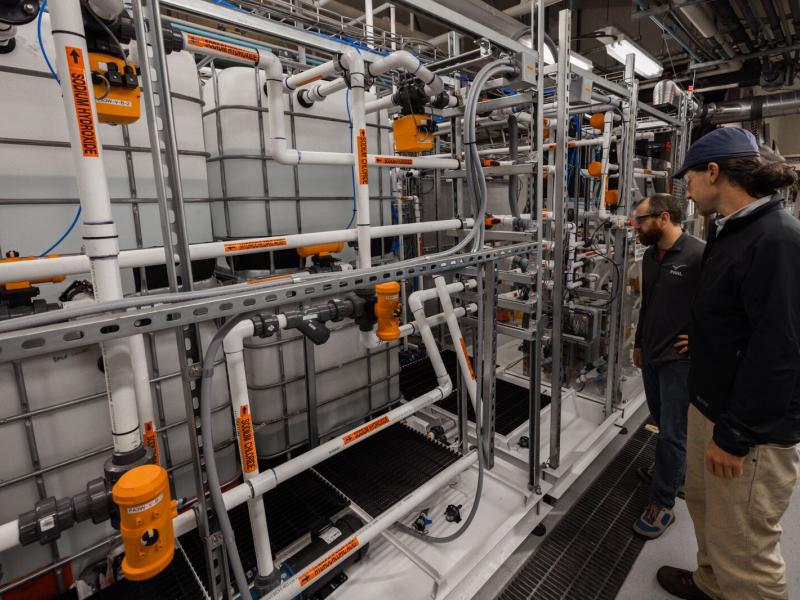
PNNL-Sequim scientists will spend the next year testing a new technology that could allow the ocean to soak up more carbon dioxide without contributing to ocean acidification.