In 2006, battery research was practically non-existent at PNNL. Today, the lab is lauded for its battery research. How did PNNL go from a new player to a leader in state-of-the-art storage for EVs and the grid?
PNNL is supporting the Department of Homeland Security Science and Technology Directorate's Chemical Security Analysis Center in improving capabilities to enhance detection and analysis of chemical threats.
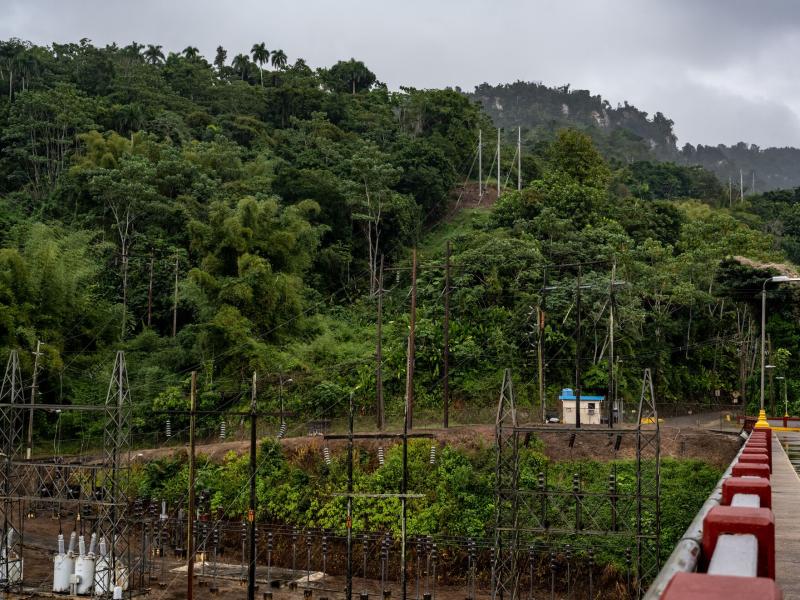
PNNL’s Chris Chini has been named a guest editor of Environmental Research: Infrastructure and Sustainability’s special issue examining energy infrastructure vulnerabilities from physical and natural threats.
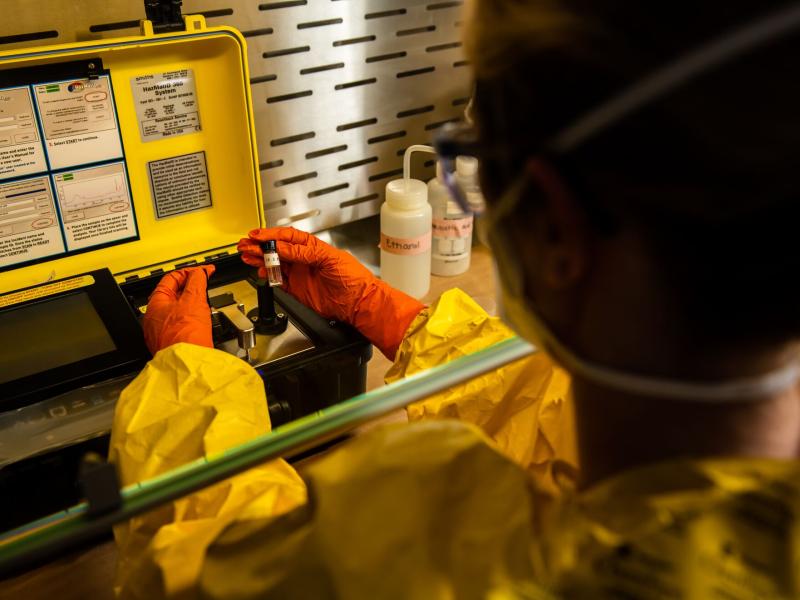
A new report highlights the results of an assessment PNNL conducted of field-portable detection products used by first responders to detect illicit substances like fentanyl in the field.
PNNL’s Center for the Remediation of Complex Sites convened attendees from around the world to discuss challenges associated with environmental contamination.
At the GovAI Summit 2023, Ryan Eddy joined the Department of Homeland Security Science and Technology Directorate on a panel highlighting artificial intelligence impacts and opportunities in the field of emergency management.
Understanding the risk of compound energy droughts—times when the sun doesn’t shine and the wind doesn’t blow—will help grid planners understand where energy storage is needed most.
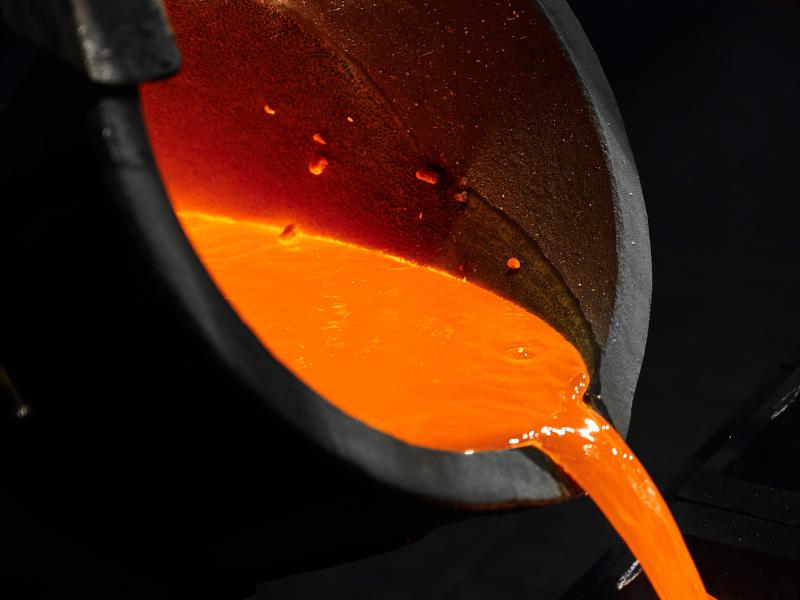
A team of scientists at PNNL developed new computational models to predict the behavior of these impurities and reduce the expense and risk related to actinide metal production.
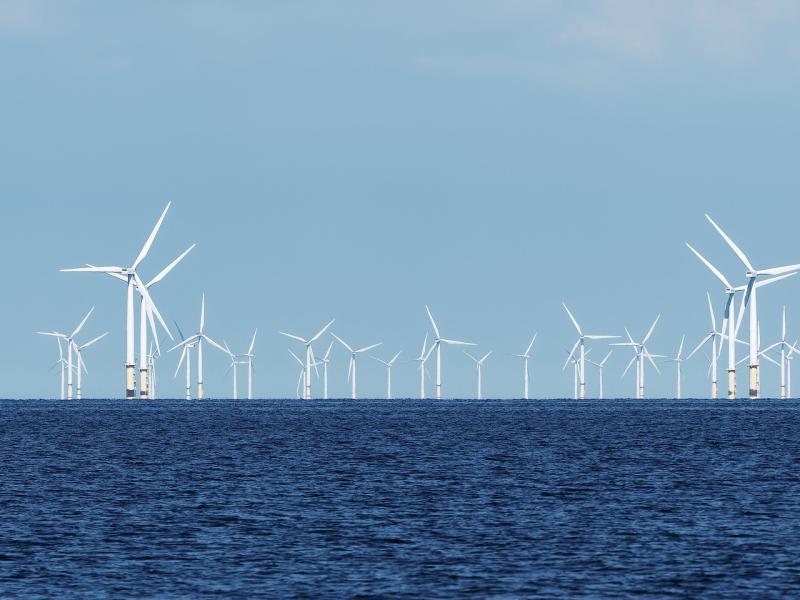
Floating offshore wind farms could potentially triple the Pacific Northwest's wind power capacity while offsetting billions of dollars in costs for utilities, ratepayers, insurance companies, and others.
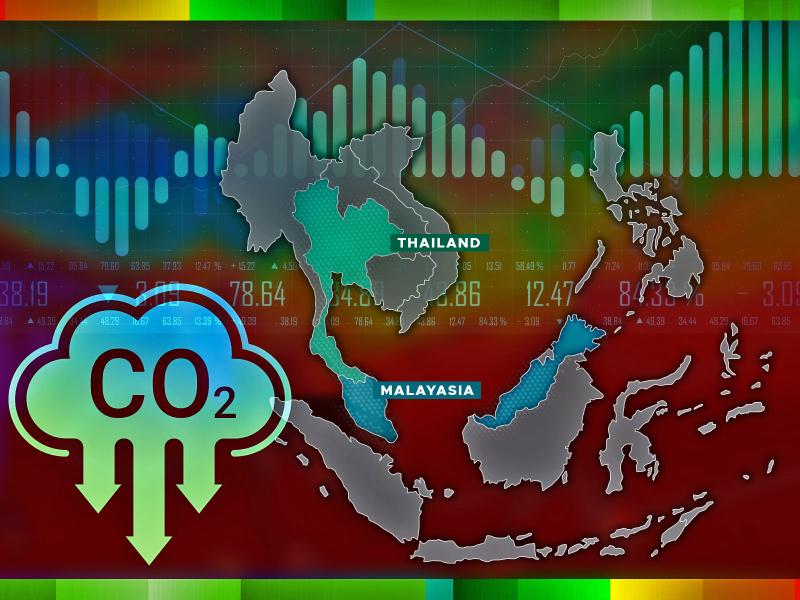
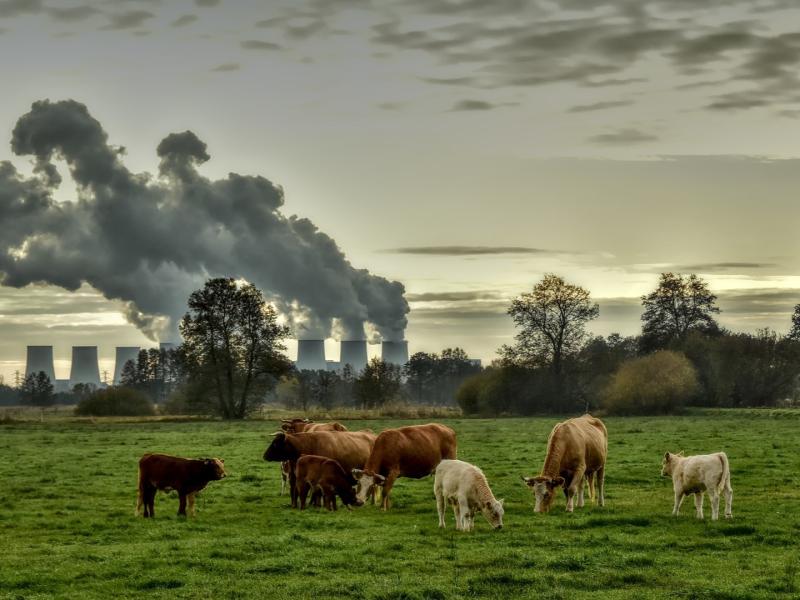
In a new paper, researchers point to three major efforts where the biggest climate mitigation gains stand to be realized: ramping up carbon dioxide removal, reigning in non-carbon dioxide emissions and halting deforestation.