Researchers at PNNL share a research- and practitioner-informed approach to assess the threat landscape, elicit and integrate feedback into solutions, and ultimately share outcomes with the emergency response and public safety community.
From developing new energy storage materials to revealing patterns of Earth’s complex systems, studies led by PNNL researchers are recognized for their innovation and influence.
Two new publications provide emergency response agencies with critical insights into commercially available unmanned ground vehicles used for hazardous materials response.
PNNL's E-COMP initiative is helping unleash American energy innovation with advanced theories, models, and software tools to better operate power systems that rely heavily on high-speed power electronic control.
A team from PNNL contributed several articles to the Domestic Preparedness Journal showcasing recent efforts to explore the emergency management and artificial intelligence research and development landscape.
At the National Homeland Security Conference, researchers shared how partnerships and emerging technologies like artificial intelligence can play a key role in emergency management preparedness and response.
PNNL advisors joined a panel of Washington State emergency management personnel to discuss how partnerships with national laboratories are enabling science and technology solutions.
At the GovAI Summit 2023, Ryan Eddy joined the Department of Homeland Security Science and Technology Directorate on a panel highlighting artificial intelligence impacts and opportunities in the field of emergency management.
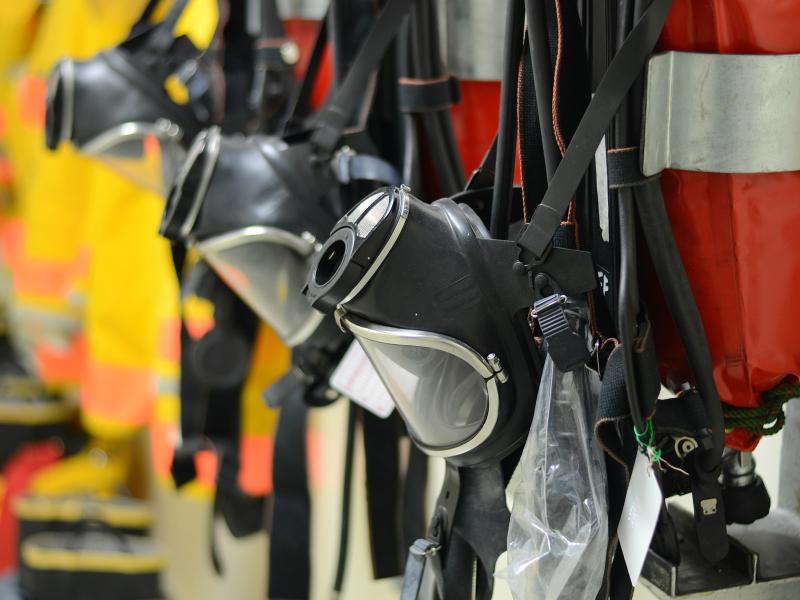
A team of researchers received an award for their contributions to improving the operational readiness and safety posture of the firefighter community by conducting a rigorous evaluation of commercially available equipment.
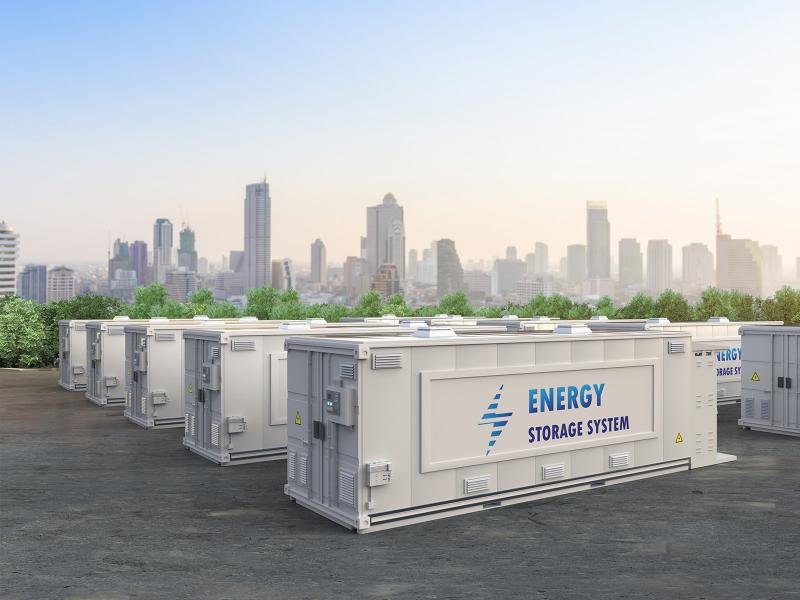
Battery energy storage systems are being proposed in municipalities across the U.S. PNNL researchers can help community planners guide safe siting and operations.
Findings in a new PNNL report show long-duration energy storage will be a necessity in decarbonizing the grid and recommends the planning and procurement process to identify those needs start immediately.
Ann Lesperance has been invited to continue her role on the Domestic Preparedness advisory board, which convenes multidisciplinary subject matter experts to support the Domestic Preparedness Journal's editorial plan.
With an eye on renewable, accessible, and resilient power, PNNL researchers show hyper-local microgrids are a viable option, if designed with the right mix of sources.