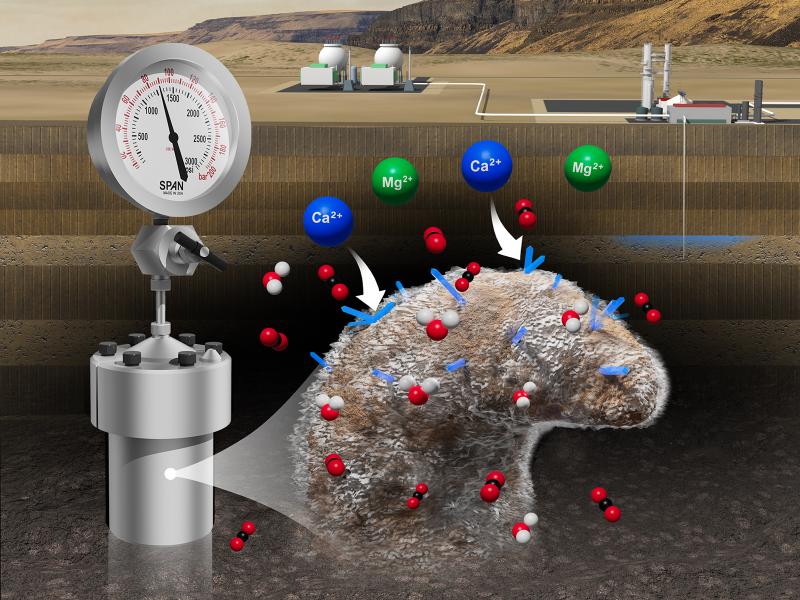
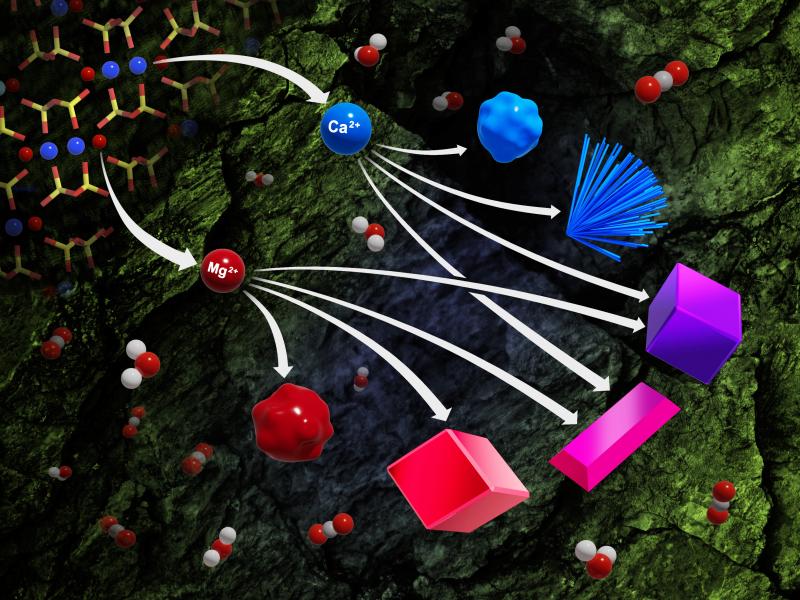
Led by interns from multiple DOE programs, a newly expanded dataset allows researchers to use easy-to-obtain measurements to determine the elemental composition of a promising carbon storage mineral.
A multi-institutional team of researchers systematically compared extraction techniques for characterizing plant litter composition that relies on organic matter extraction.
Research identifies the mechanisms through which peptoids affect ions in solution and a mineral surface, increasing the rate of carbonate crystal growth.
Frederick Day-Lewis, Lab Fellow and chief geophysicist at PNNL, was named the 2024 recipient of the Geological Society of America Public Service Award.
Department of Energy’s Advanced Research Projects Agency-Energy selects PNNL project to help accelerate the development of marine carbon dioxide removal technologies.
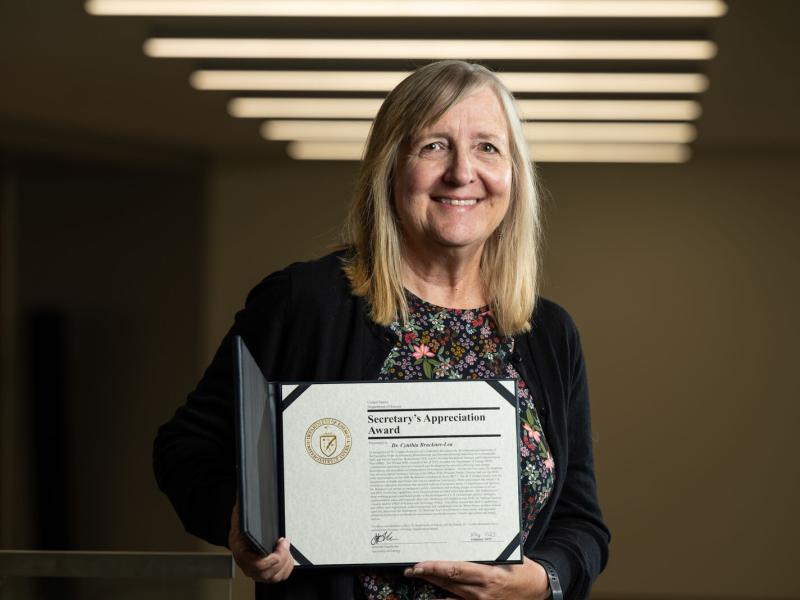
For her most recent efforts, Bruckner-Lea, a senior technical advisor at PNNL, received the Secretary’s Appreciation Award from the U.S. Secretary of Energy Jennifer Granholm in July.
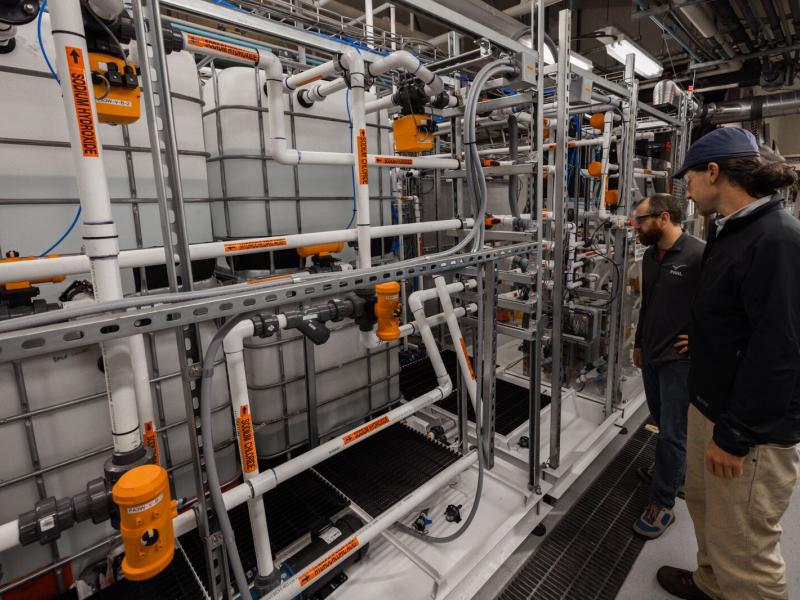
PNNL-Sequim scientists will spend the next year testing a new technology that could allow the ocean to soak up more carbon dioxide without contributing to ocean acidification.
PNNL receives a 2023 Federal Laboratory Consortium Far West Regional Award for a technological innovation that could help make the U.S. a producer of critical minerals used in electronics and energy production.
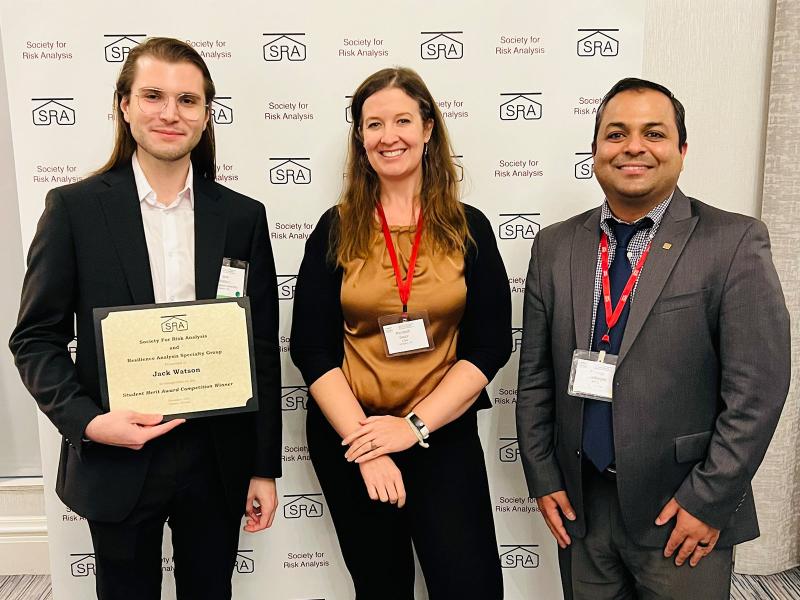
For a second year in a row, doctoral intern Jack Watson was awarded the Student Merit Award by the Society for Risk Analysis and the Resilience Analysis Specialty group.
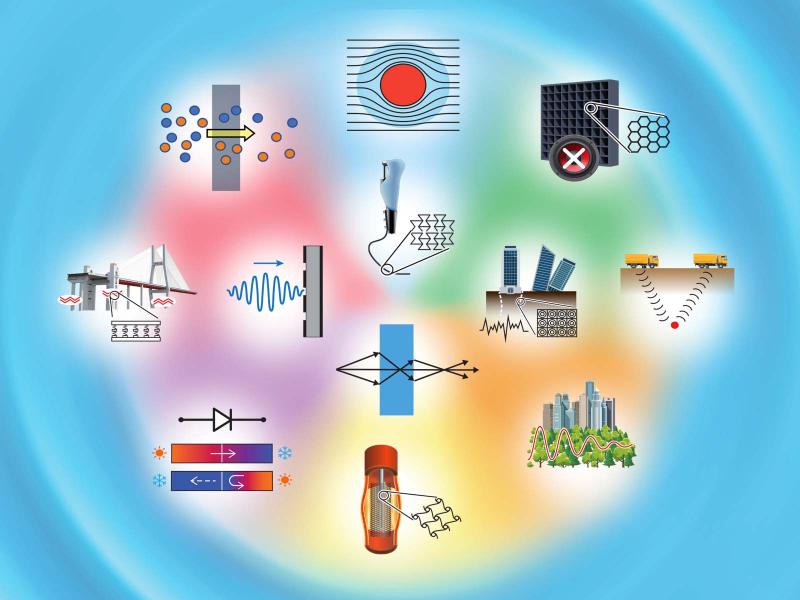
A review article led by researcher Jade Holliman explores the different classes of metamaterials, from the underlying fundamental science to potential applications.