From developing new energy storage materials to revealing patterns of Earth’s complex systems, studies led by PNNL researchers are recognized for their innovation and influence.
The ability of a storm-resolving weather model to predict the growth of storms over central Argentina was evaluated with data from the Clouds, Aerosols, and Complex Terrain Interactions (CACTI) field campaign in central Argentina.
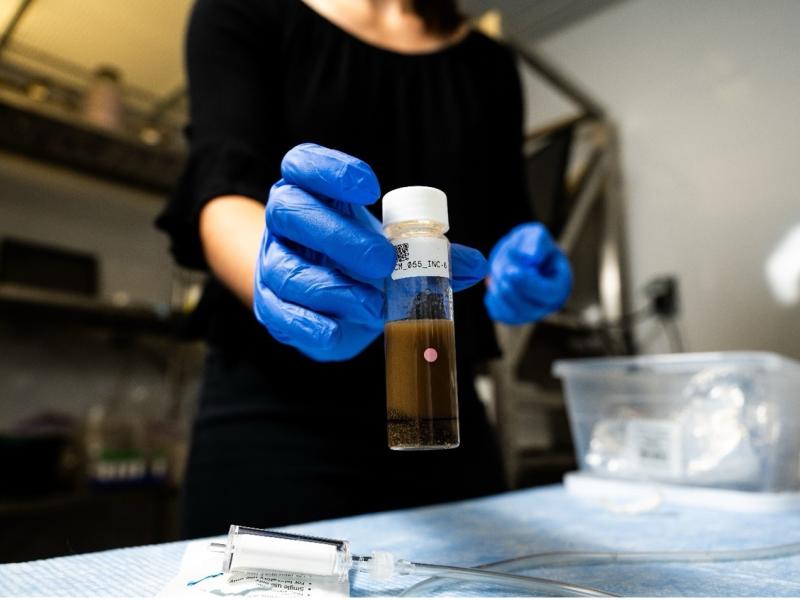
Researchers from PNNL and Parallel Works, Inc., applied machine learning methods to predict how much oxygen and nutrients are used by microorganisms in river sediments.
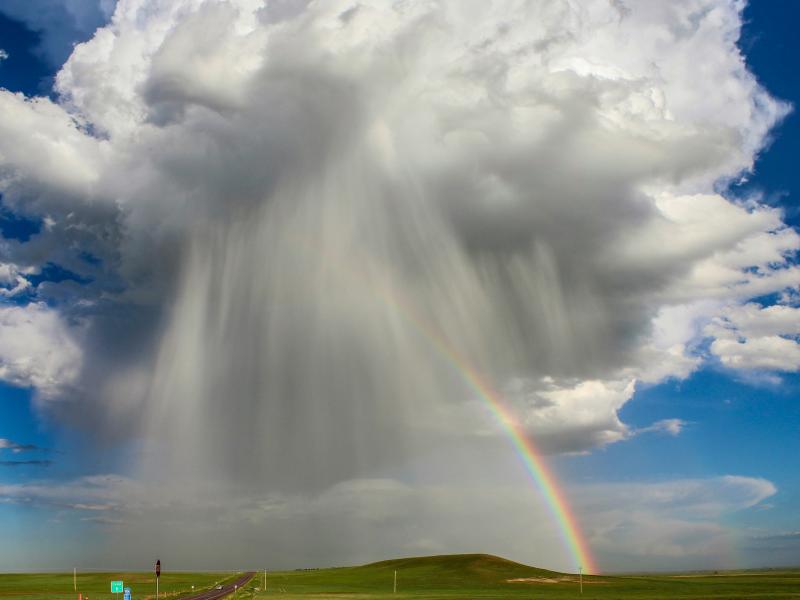
The rate of conversion of cloud droplets to precipitation, known as the autoconversion rate, remains a major source of uncertainty in characterizing aerosol’s cloud lifetime effects and precipitation in global and regional models.
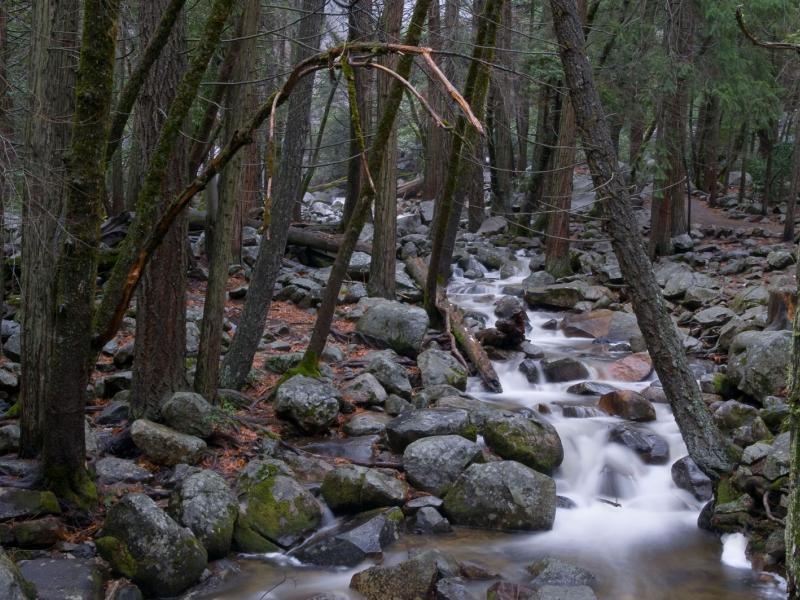
To assess the impact of observation period and gauge location, model parameters were learned on scenarios using different chunks of streamflow observations.
This study presents an automated method to detect and classify open- and closed-cell mesoscale cellular convection (MCC) using long-term ground-based radar observations.
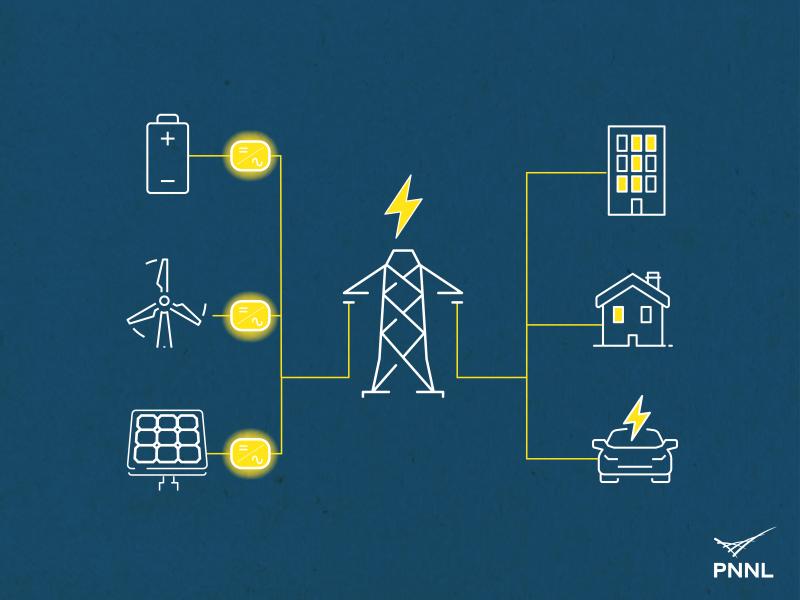
PNNL and collaborators developed new models—recently approved by the U.S. Western Electricity Coordinating Council (WECC)—to help utilities understand how new grid-forming inverter technology will enhance grid stability.
With her broad experience and background, Starr Abdelhadi was selected from many applicants to join the Women in IT Networking at SC (WINS) program for Super Computing 2024 (SC24).
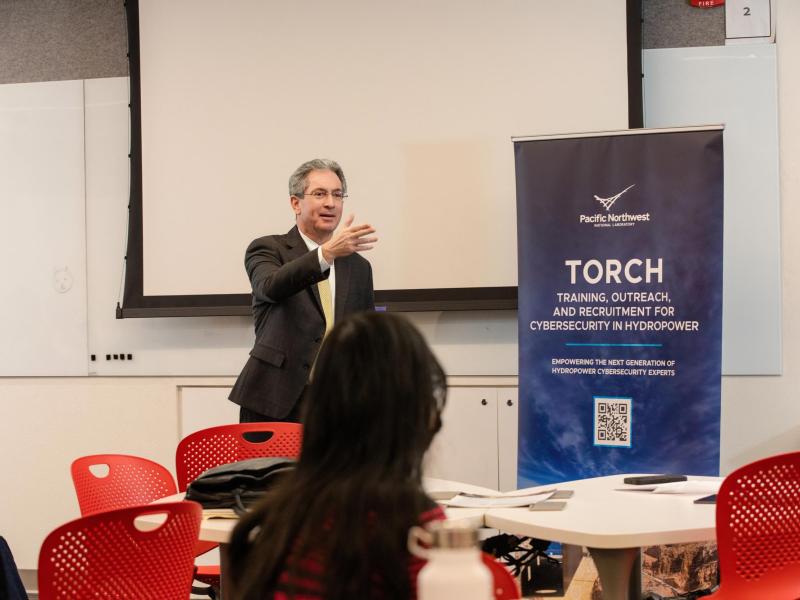
Pacific Northwest National Laboratory launches the Training Outreach and Recruitment for Cybersecurity Hydropower program at the University of Texas at El Paso.
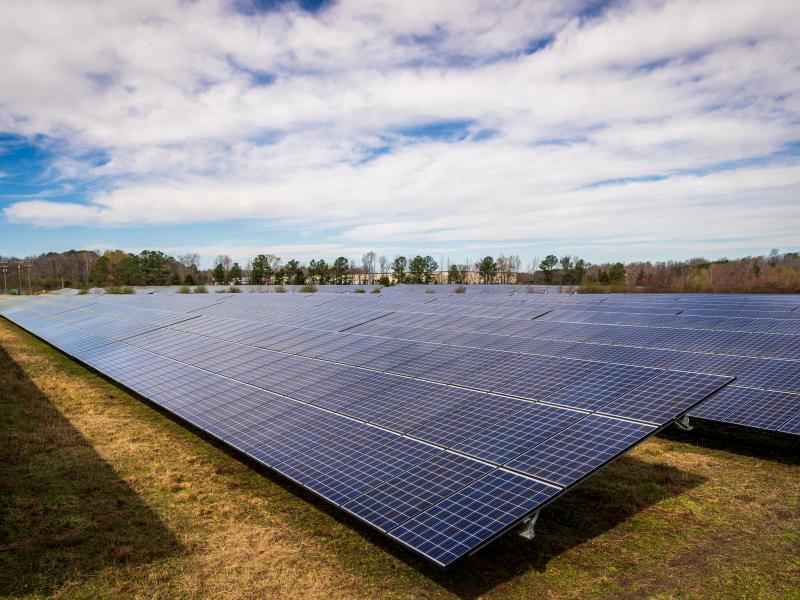
Understanding the risk of compound energy droughts—times when the sun doesn’t shine and the wind doesn’t blow—will help grid planners understand where energy storage is needed most.
PNNL led one of five Pathway Summer School programs nationwide, with a specific focus on engaging students from Native American or Indigenous backgrounds.
PNNL researchers developed a new model to help power system operators and planners better evaluate how grid-forming, inverter-based resources could affect the system stability.
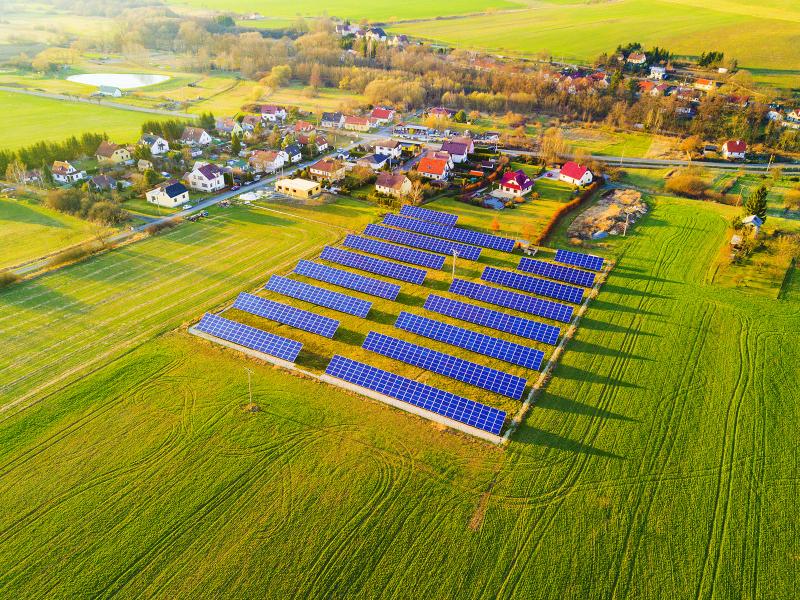
With an eye on renewable, accessible, and resilient power, PNNL researchers show hyper-local microgrids are a viable option, if designed with the right mix of sources.
Electrical engineer Aditya Ashok and cybersecurity researcher Thomas Edgar win best paper award for their work to create a new high-fidelity dataset that will help advance cybersecurity solutions for critical infrastructure protection.