Led by interns from multiple DOE programs, a newly expanded dataset allows researchers to use easy-to-obtain measurements to determine the elemental composition of a promising carbon storage mineral.
To improve our ability to “see” into the subsurface, scientists need to understand how different mineral surfaces respond to electrical signals at the molecular scale.
Frederick Day-Lewis, Lab Fellow and chief geophysicist at PNNL, was named the 2024 recipient of the Geological Society of America Public Service Award.
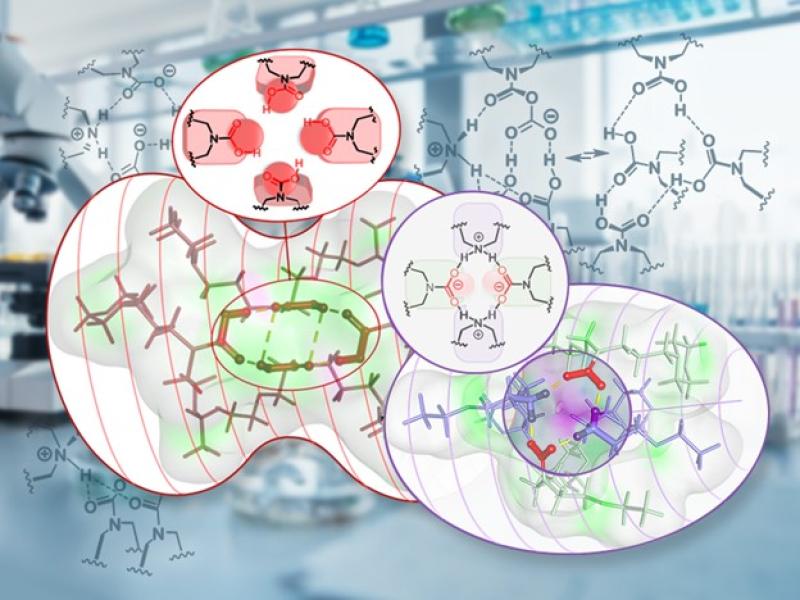
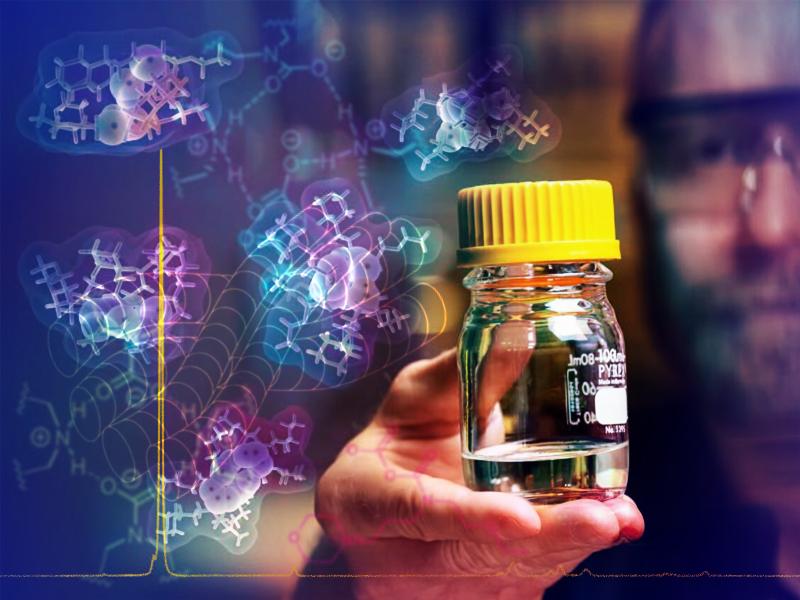
New research investigating water-lean solvents for carbon dioxide capture identifies the unique chemistry possible with their use, may lead to new design principles that move beyond single carbon capture.
Department of Energy’s Advanced Research Projects Agency-Energy selects PNNL project to help accelerate the development of marine carbon dioxide removal technologies.
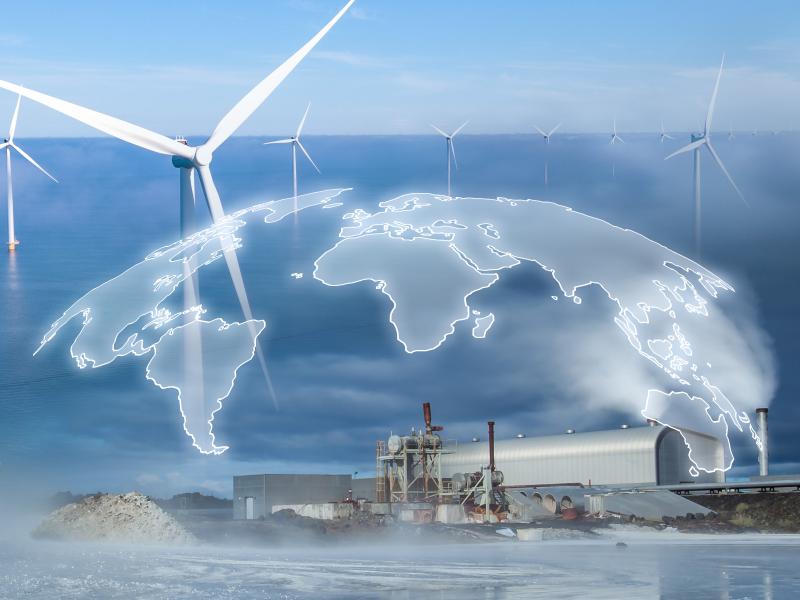
Two renewable energy approaches—enhanced geothermal systems and floating offshore wind energy—get new focus as Energy Earthshot™ Research Centers at PNNL.
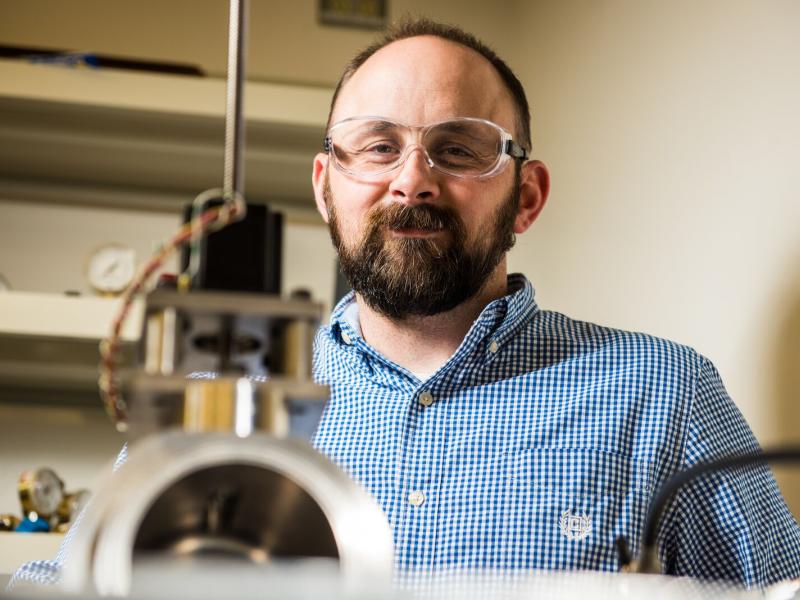
Bradley Crowell with the U.S. Nuclear Regulatory Commission sees advanced materials integrity, radiological measurement, and environmental capabilities on his first visit to PNNL.
This PNNL project was the focus of Nune’s talk when he delivered the keynote for the Carbon Capture and Utilization track at the 2nd Annual Baker Hughes Energy Frontiers Summit.