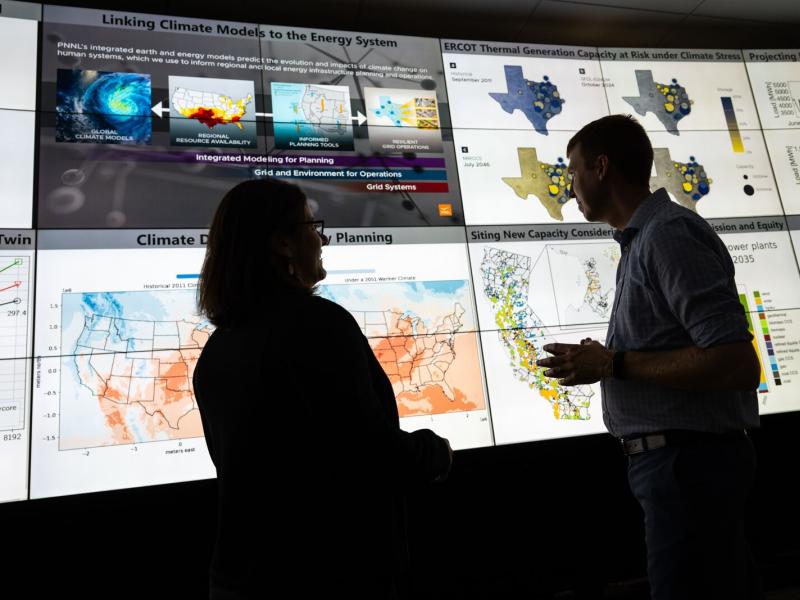
Researchers use models to represent relationships between climate and socio-economic processes, helping inform decisions for slowing climate change and enhancing resilience.
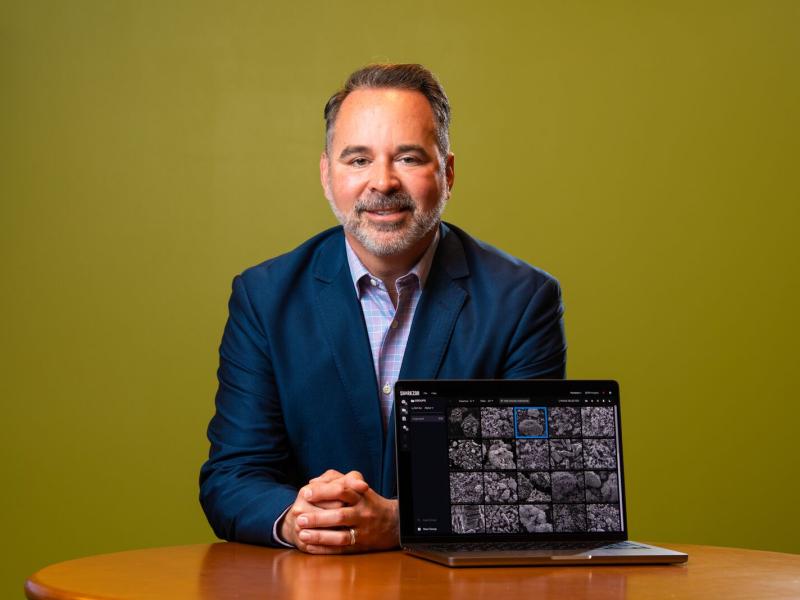
Ripples demonstration will take place at the DOE booth at the International Conference for High Performance Computing, Networking, Storage, and Analysis.
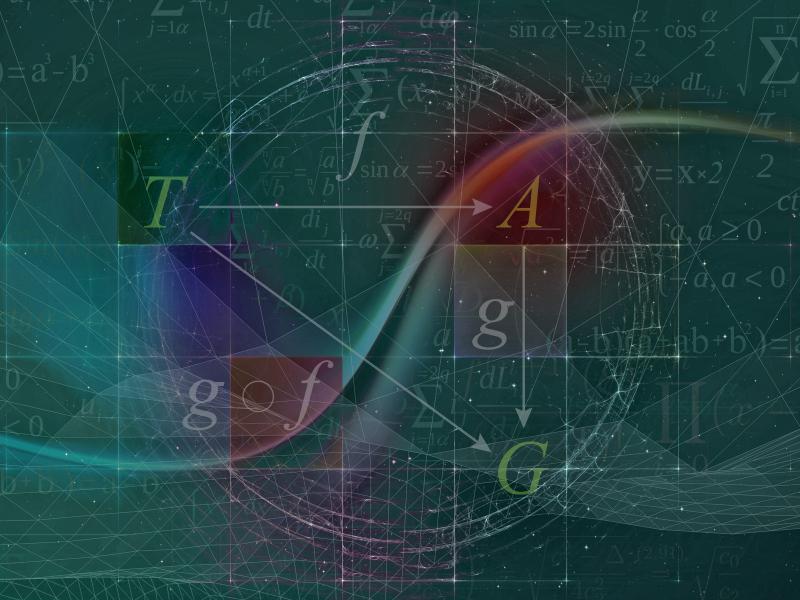
The use of disciplines in pure mathematics can increase the reliability and explainability of machine learning models that “transcend human intuition,” according to PNNL scientists.
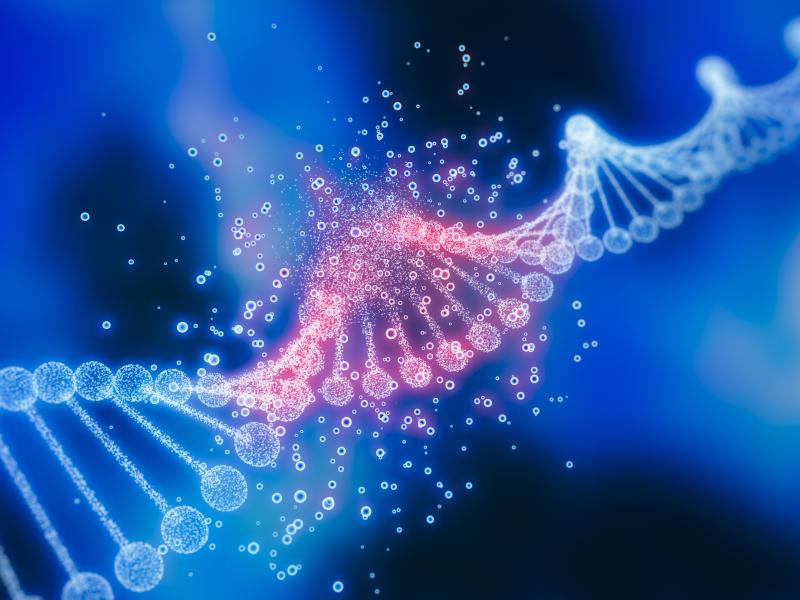
A team of researchers from PNNL provided technical knowledge and support to test a suite of techniques that detect genetically modified bacteria, viruses, and cells.
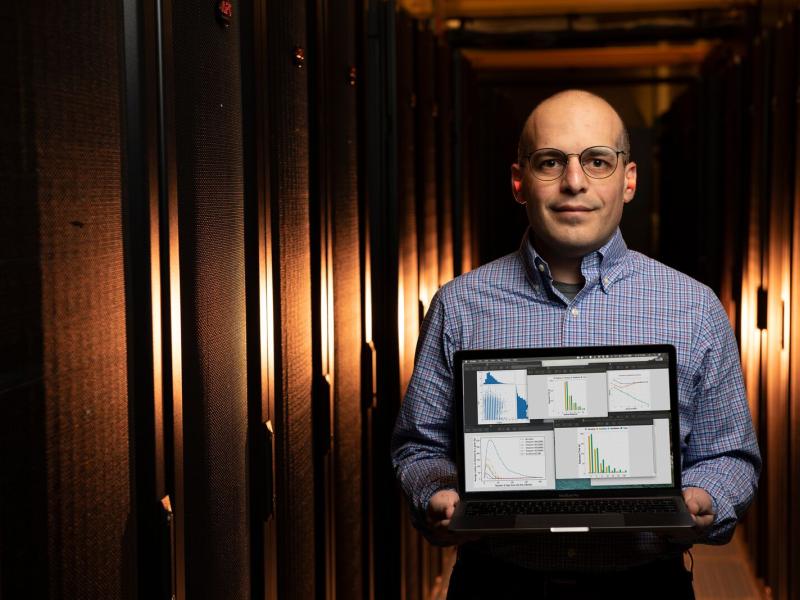
Robert Rallo from Pacific Northwest National Laboratory will direct a machine learning thrust for a new Department of Energy-funded project led by SLAC National Accelerator Laboratory.
Claudia Tebaldi, a PNNL Earth scientist, has been named a Fellow of the American Geophysical Union. Tebaldi and others will be recognized at AGU23 in December.
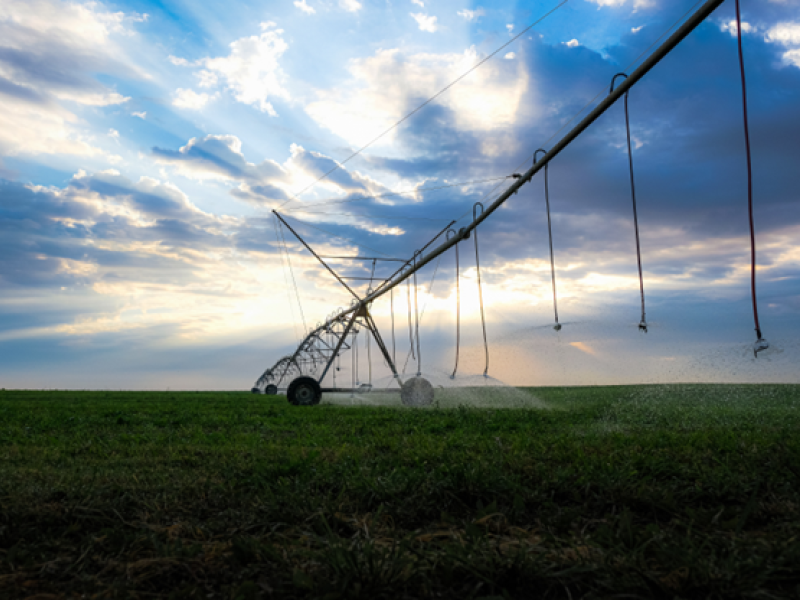
Variations in the level of market globalization can greatly affect the amount of water required to meet future global demand for agricultural commodities.
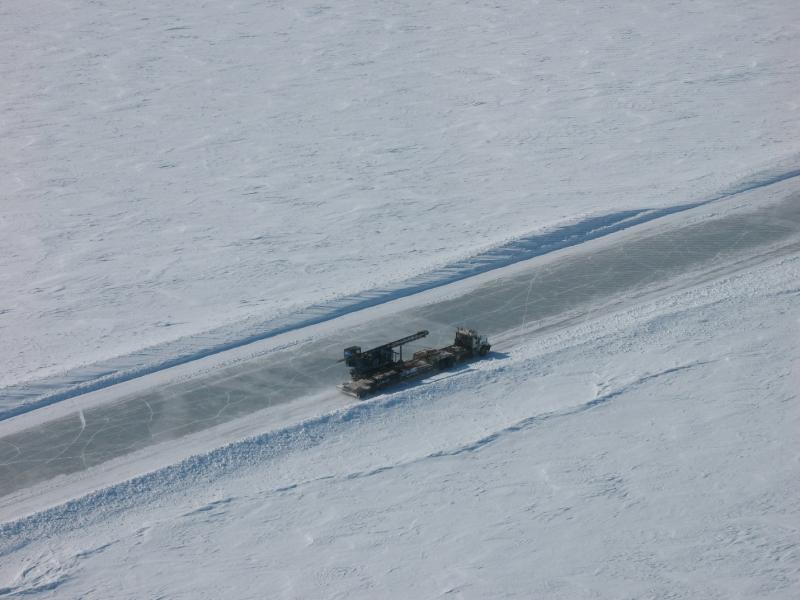
Climate change and socioeconomic pressures are transforming passenger and freight transportation in the Arctic, producing effects that have yet to be fully understood.