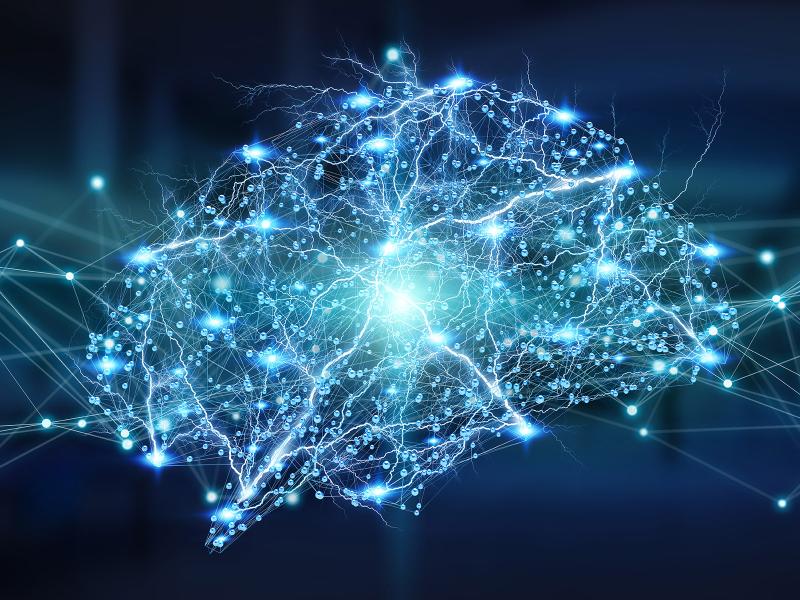
PNNL recently joined the Department of Homeland Security for two technical meetings exploring national security research spanning the threat realm, from chemical and biological attacks to adversarial artificial intelligence.
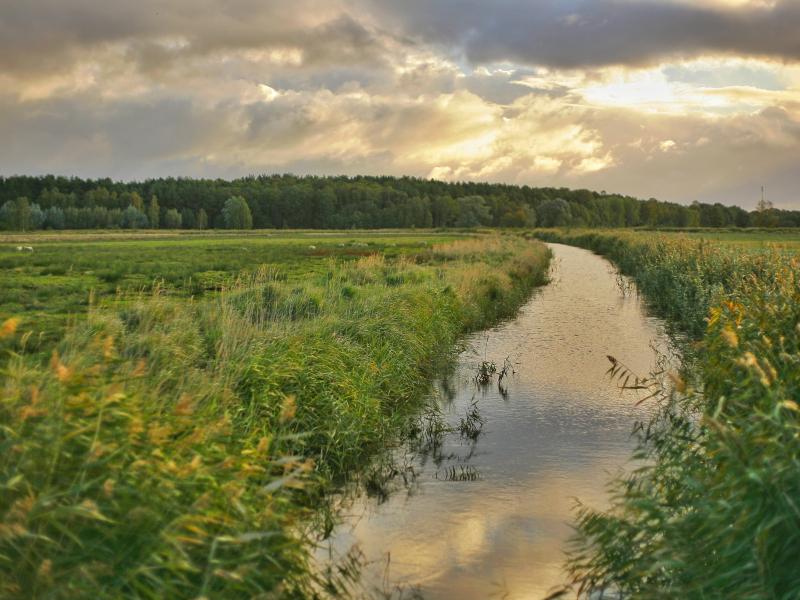
By adding rain, snow, and rain-on-snow precipitation data to a background model, a new scheme pinpoints local flood risks in order to improve the design of small-scale hydrological infrastructure.
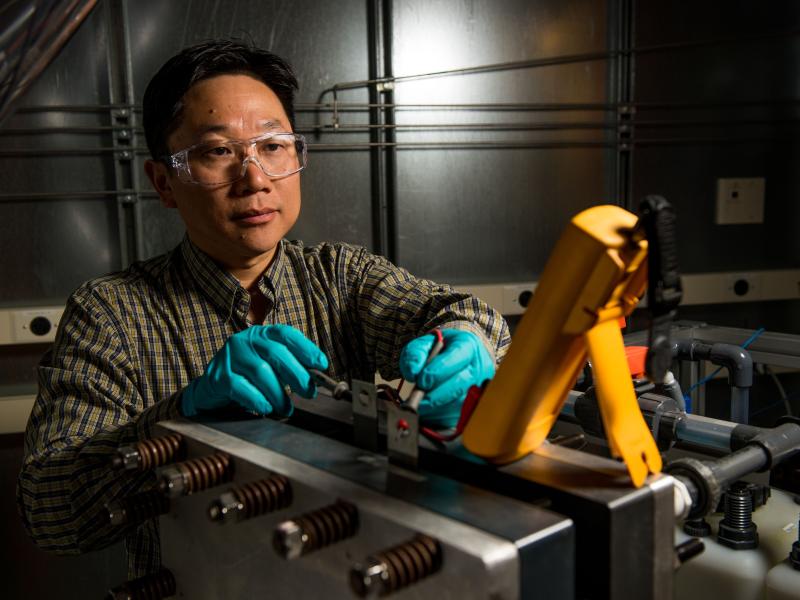
PNNL researchers are helping to better define the need for grid energy storage in future clean energy scenarios, as well as working to improve technologies for storing renewable energy so it's available when and where it's needed.
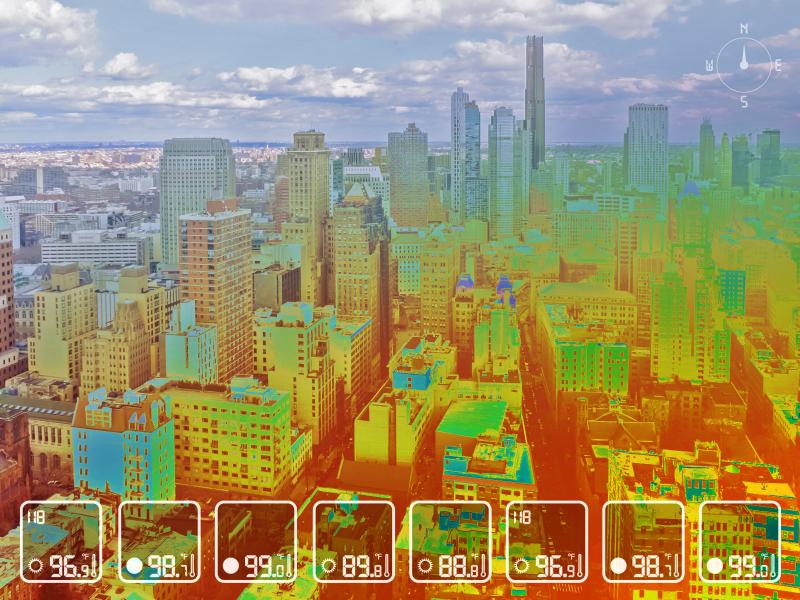
Using a combination of satellite data and modeling to study the temperatures and humidity people might feel in urban areas, researchers have pinpointed who in the U.S. is most vulnerable to heat stress.
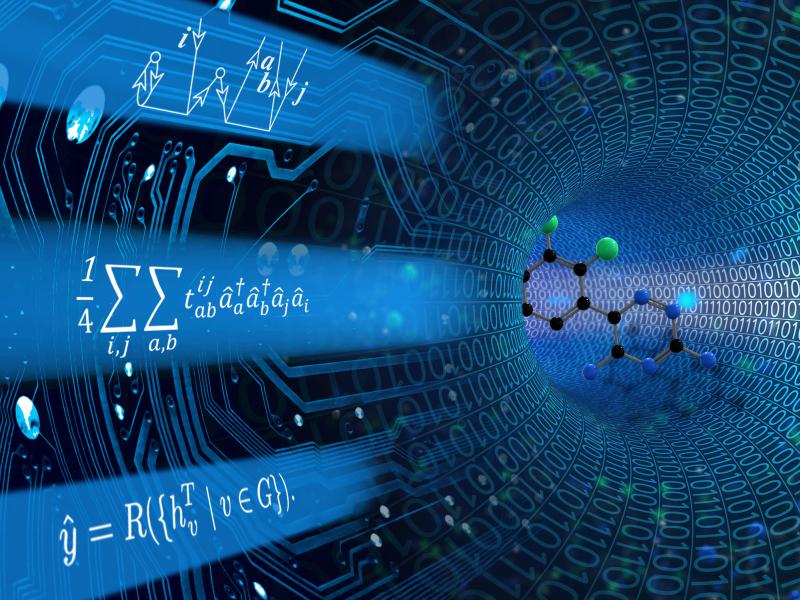
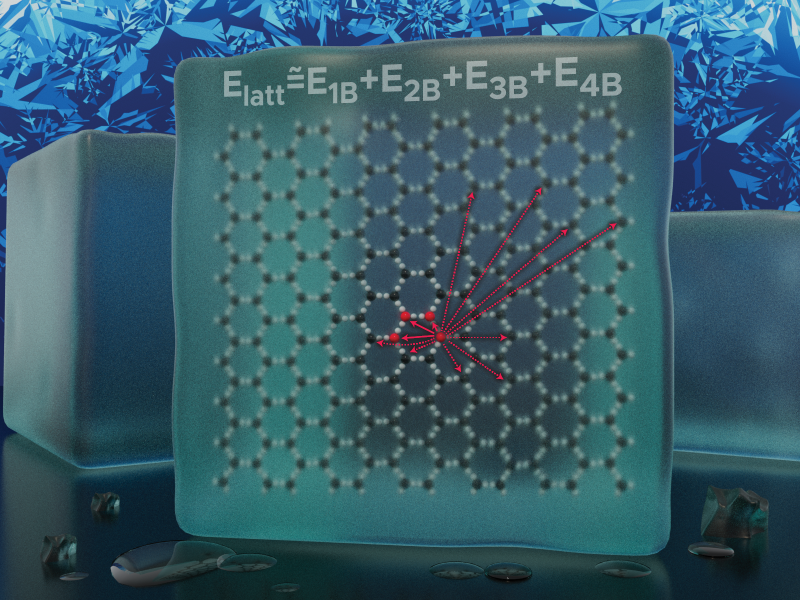
Research from PNNL and the University of Washington demonstrates the extension of the MBE for periodic systems and its use to decompose the lattice energies of different ice polymorphs.